Saad Ullah
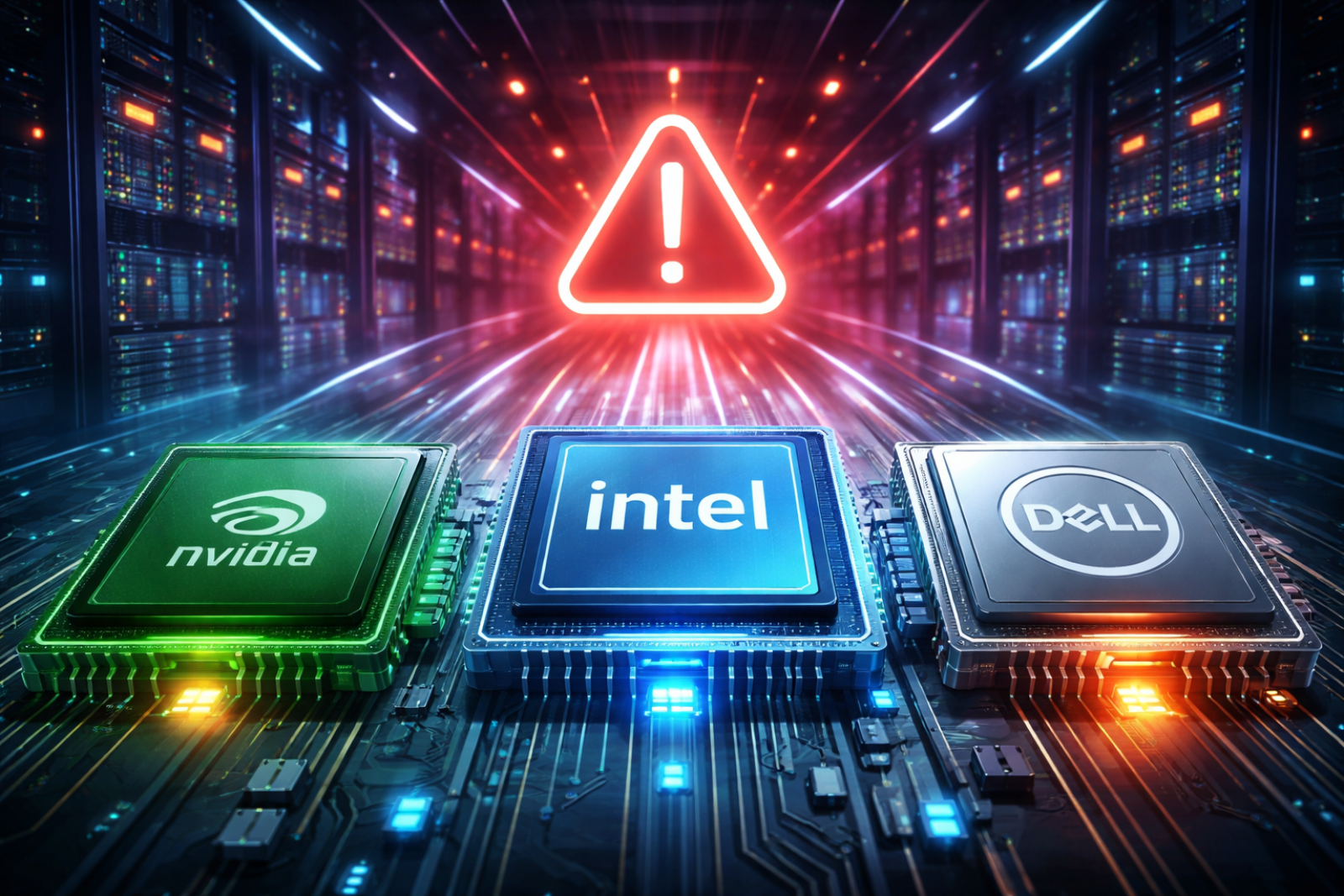
⬤ AI's explosive growth has hit a wall—not software limits or power constraints, but something more fundamental: memory chips. Data centers running AI models are hoovering up massive amounts of high-bandwidth memory, creating a supply crunch that's now hitting everything from gaming PCs to smartphone production. The bottleneck is real and getting worse.
⬤ Here's the core problem: only three companies worldwide make cutting-edge memory at scale—Samsung, SK Hynix, and Micron. They've all shifted production away from regular DRAM toward the specialized high-bandwidth memory AI servers need. One gigabyte of this HBM stuff eats up about four times the factory space of standard DRAM. By 2026, AI workloads are expected to devour roughly 20% of all global DRAM production. The result? RAM prices have exploded 246% in just six months, with some DDR5 contract prices literally doubling month to month.
⬤ The damage is spreading fast across the tech world. Dell's hiking PC prices by up to 30%. Intel can't ship chips because it lacks the memory to pair with them. Nvidia has slashed GPU production by 30-40% due to shortages of GDDR and HBM memory. AMD's facing the same squeeze trying to source GDDR6 for Radeon graphics cards. Micron took the most dramatic step—they've completely abandoned consumer memory markets to focus on AI customers, and they're sold out through 2026. Data centers pay 3-5 times more than consumer buyers, so manufacturers are prioritizing them ruthlessly.
⬤ This isn't a temporary hiccup—it's a fundamental reshaping of how silicon capacity gets allocated worldwide. Shortages could drag through 2027 or even 2028, since building new memory fabs takes 3-5 years minimum. With AI data centers now dominating purchases, consumer electronics, chip production, and ironically AI hardware scaling itself are all running into hard limits. If memory supply can't keep pace with AI demand, the entire AI buildout could face serious constraints that reshape expectations across the tech sector.
 Saad Ullah