
 Eseandre Mordi
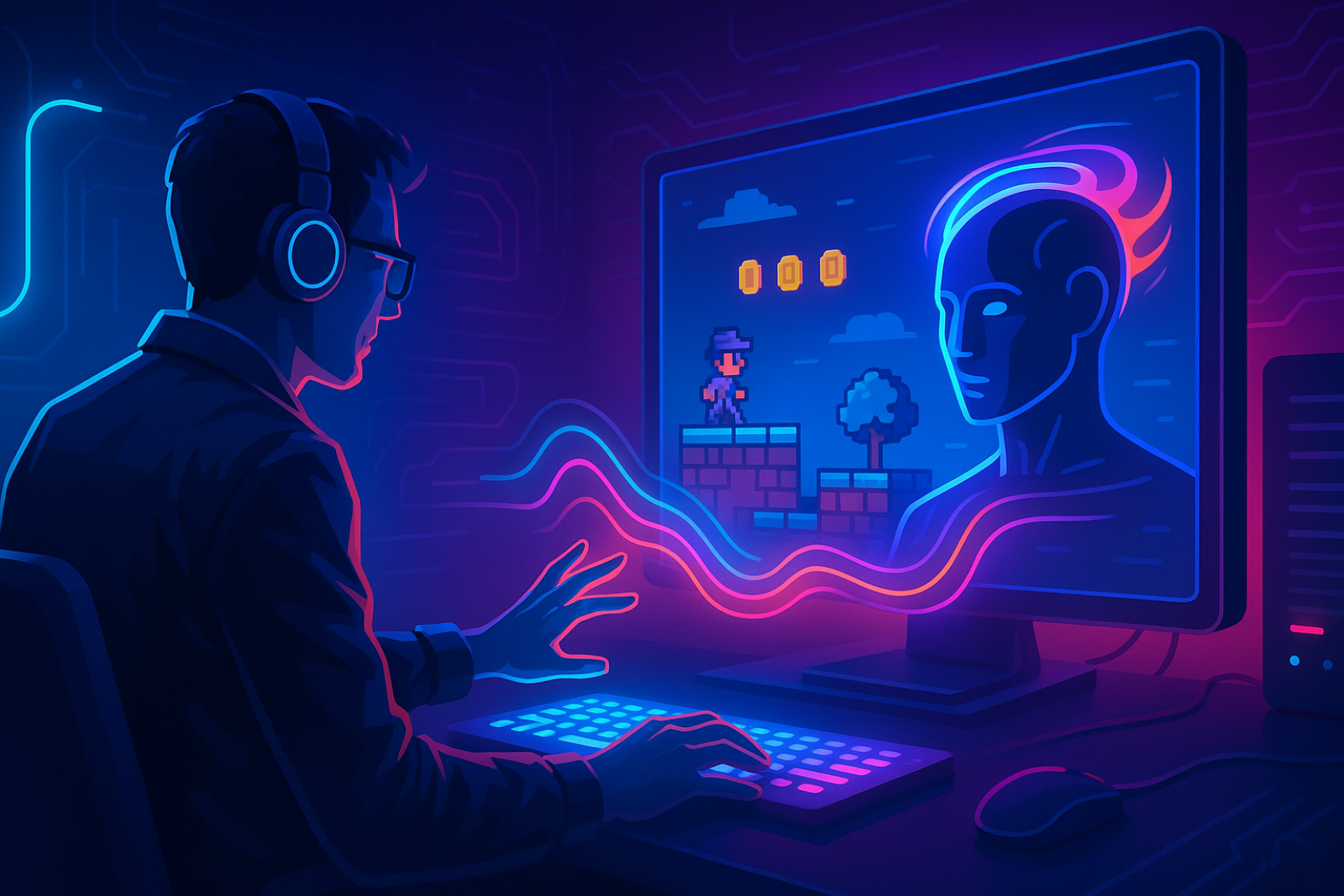
⬤ Google's Gemini 3 Pro continues sparking debate among developers trying to figure out how close we are to building games just by talking to AI. The model's impressive, sure, but it's nowhere near the smooth "vibe code" workflow some predicted would arrive by late 2025. The gap between chatting your way to a finished game and what's actually possible today is still pretty wide.

⬤ Several big problems keep blocking the path to prompt-based game creation. First up is gameplay balance—AI models can't actually play-test mechanics or adjust based on real player feedback. That means difficulty curves, pacing, and fine-tuning stay all over the place. Then there's art creation, where current systems struggle to pump out consistent, cohesive assets that actually fit modern game environments. And games need serious creativity—story, mechanics, worldbuilding, UX—all working together. Today's models can handle pieces of this puzzle, but they can't build the whole thing.
⬤ That said, there's some cautious optimism floating around about what's coming next. Gemini 3.5 Pro, expected sometime next year, might make small-scale or simple games more doable through high-level prompts and semi-automated workflows. That would match up with broader trends in AI-assisted coding and modular asset generation that are already speeding up early development stages. Still, no current model can take you from concept to finished game using just natural-language instructions.
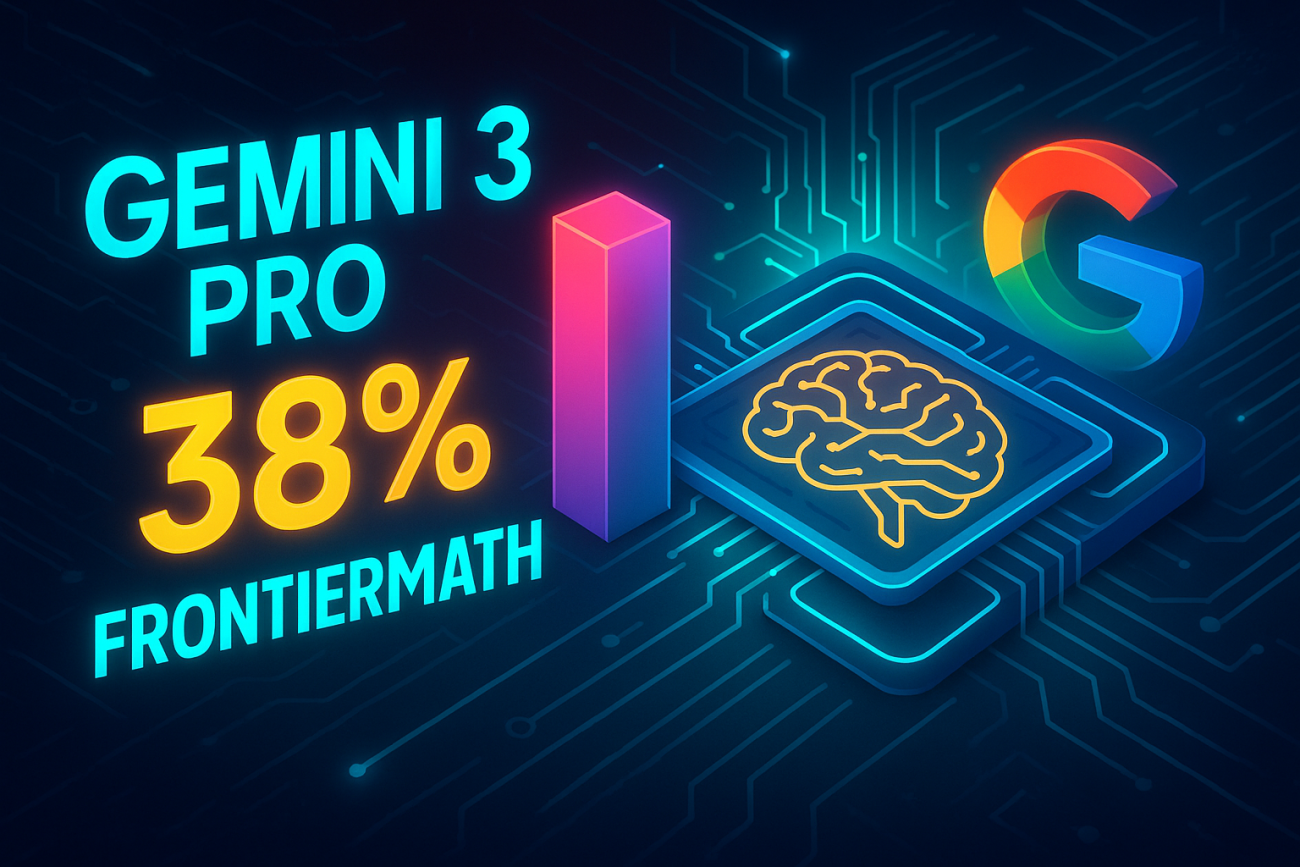
⬤ This whole conversation highlights a bigger truth about AI development: even with major advances in code generation and creative tools, interactive game development exposes clear limits in what models can actually do right now. Balanced gameplay, cohesive art, and imaginative design need iterative judgment and sustained creative direction that today's AI just can't replicate. Progress is happening fast, but we're not quite at the "describe your dream game and watch it appear" stage yet.
 Eseandre Mordi



