
 Saad Ullah
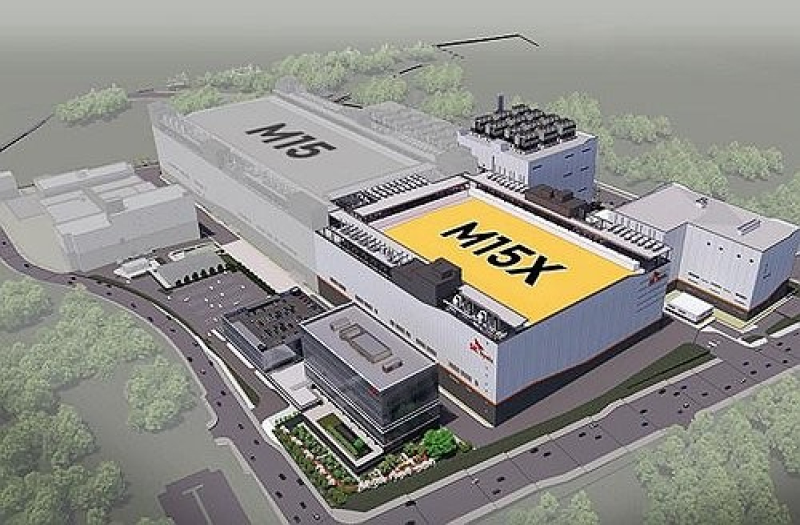
⬤ SK Hynix now states that it will spend 600 trillion KRW - about 400 billion USD - on its Yongin Semiconductor Cluster. The first plan called for 120 trillion KRW. The increase stems from larger cleanrooms, higher material prices and exchange-rate moves. The site will house the Cheongju M15 and M15X fabs, which form the core of the firm's production plan.
⬤ The first Yongin fab alone will cost about 120 trillion KRW, equal to the original budget for all four fabs. Yongin Special City raised the industrial zone floor-area ratio from 350 percent to 490 percent - cleanroom space grew by more than half. That extra space requires more high end gear like EUV lithography tools besides SK Hynix expects the bill to keep rising - the fourth fab might exceed 150 trillion KRW when work starts.
⬤ The higher spend aims to keep up with fast growing demand for AI chips. SK Hynix now produces about 450,000 12-inch DRAM wafers each month, roughly 70 percent of Samsung's volume. To close the gap the firm will bring the Cheongju M15X fab and the first Yongin fab online sooner. If M15X starts next year as planned, monthly DRAM output will rise by 50,000 wafers. When the first Yongin fab finishes in 2027 and reaches full output by 2030, it will add another 200,000 wafers per month. By 2030 SK Hynix expects to reach 700,000 wafers per month.

⬤ This decade long project shows how much capital advanced chip plants now demand but also how fierce memory competition has become. SK Hynix's large stake shows trust that AI demand will keep rising and mirrors wider industry trends - equipment prices climb, cleanroom requirements tighten and the race for next generation DRAM leadership intensifies.
 Saad Ullah



