
 Alex Dudov
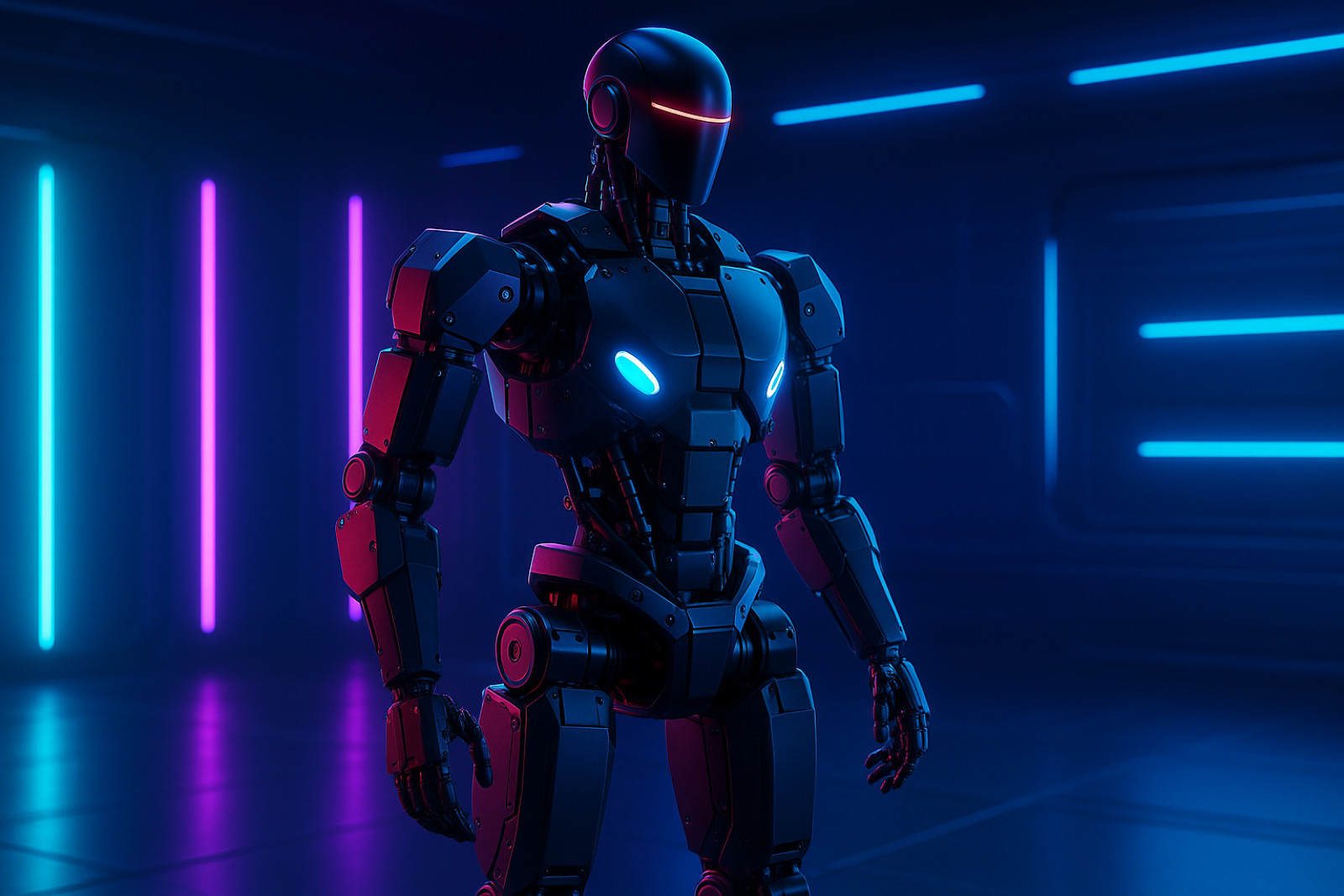
⬤ NEXFORM Robotics made waves after unveiling its first humanoid robot built as a modular hardware platform rather than a specialized single-task machine. The Hangzhou-based startup introduced a wheeled humanoid system designed for lifting, object manipulation, and flexible task adaptation. The launch reflects the rapid advancement happening in China's robotics sector as global competition heats up around humanoid and AI-driven automation.
⬤ The robot features a modular end-effector design that lets it swap between different tool attachments based on what the job requires. It can handle a 5-kilogram load per arm, works within a two-meter range, and sits on a chassis that rotates in place for better maneuverability. Weighing in at roughly 150 kilograms, the unit prioritizes structural stability for industrial and research environments. The official image shows the humanoid positioned in a clean, controlled workspace, suggesting it's ready for manufacturing, logistics, or lab deployment.
⬤ A standout feature is the robot's compatibility with open-source AI models like Pi and GR00T, along with VLA and VLM systems. This integration gives developers the freedom to build custom behavior, perception, and control pipelines directly on the hardware, speeding up experimentation and development. NEXFORM also confirmed a bipedal humanoid is in the works, matching moves by global competitors as demand grows for autonomous machines that can navigate spaces designed for humans.
⬤ NEXFORM's launch highlights how quickly humanoid robotics is evolving as companies race to create flexible, AI-enhanced systems for increasingly complex tasks. With the market shifting toward modular hardware, software-interoperable platforms, and open-source integration, designs like NEXFORM's could help set new standards for performance, versatility, and real-world use. As global investment in humanoid systems picks up, new players with adaptable platforms may reshape competitive dynamics across the robotics industry.
 Alex Dudov



