
 Peter Smith
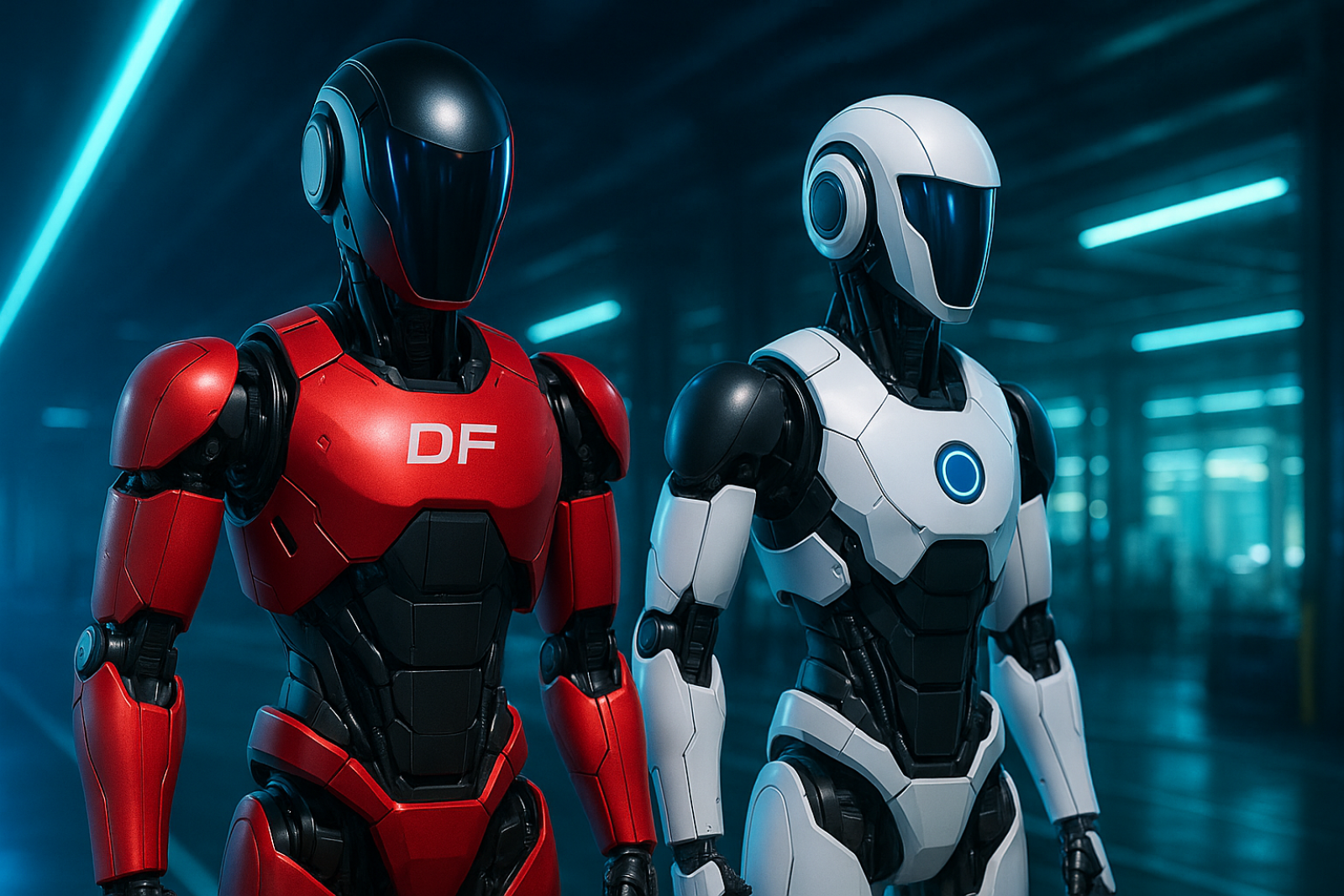
⬤ Dongfeng Motor jumped into the robotics race with two bipedal humanoids—one designed to greet customers and guide them through showrooms, the other built to help out on factory floors. Both robots run on chips and controllers pulled straight from Dongfeng's self-driving car tech, showing how automakers are finding new uses for hardware they've already developed. It's part of a wider push across the industry to weave robotics into everyday operations.
⬤ The company's timeline is tight. Training kicks off at Dongfeng factories and dealerships next month, where engineers will fine-tune the robots' movements, test how they hold up in real conditions, and make sure they fit smoothly into existing workflows. Official rollout is set for next year, putting Dongfeng alongside other automakers betting on humanoids to handle logistics, customer interactions, and repetitive assembly tasks.
⬤ This isn't Dongfeng's first move into robotics. Earlier this year, its subsidiary Dongfeng Liuzhou Motor brought in UBTECH's Walker S1 humanoids for limited factory trials. That experiment was part of a bigger strategy linking robotics with autonomous driving systems, smart manufacturing, and retail tech. Across China, automakers are ramping up tests of humanoid robots in assembly plants, service centers, and showrooms, exploring whether two-legged machines offer better flexibility and safer collaboration with human workers than traditional automation.

⬤ The robotics buildout hints at how vehicle makers are rethinking long-term operations. Dongfeng's latest push shows automotive technology, software, and factory automation are blending into one unified robotics platform. As more manufacturers test similar systems, the trend points toward major changes in how industrial work and customer service get done over the next few years.
 Peter Smith



