
 Eseandre Mordi
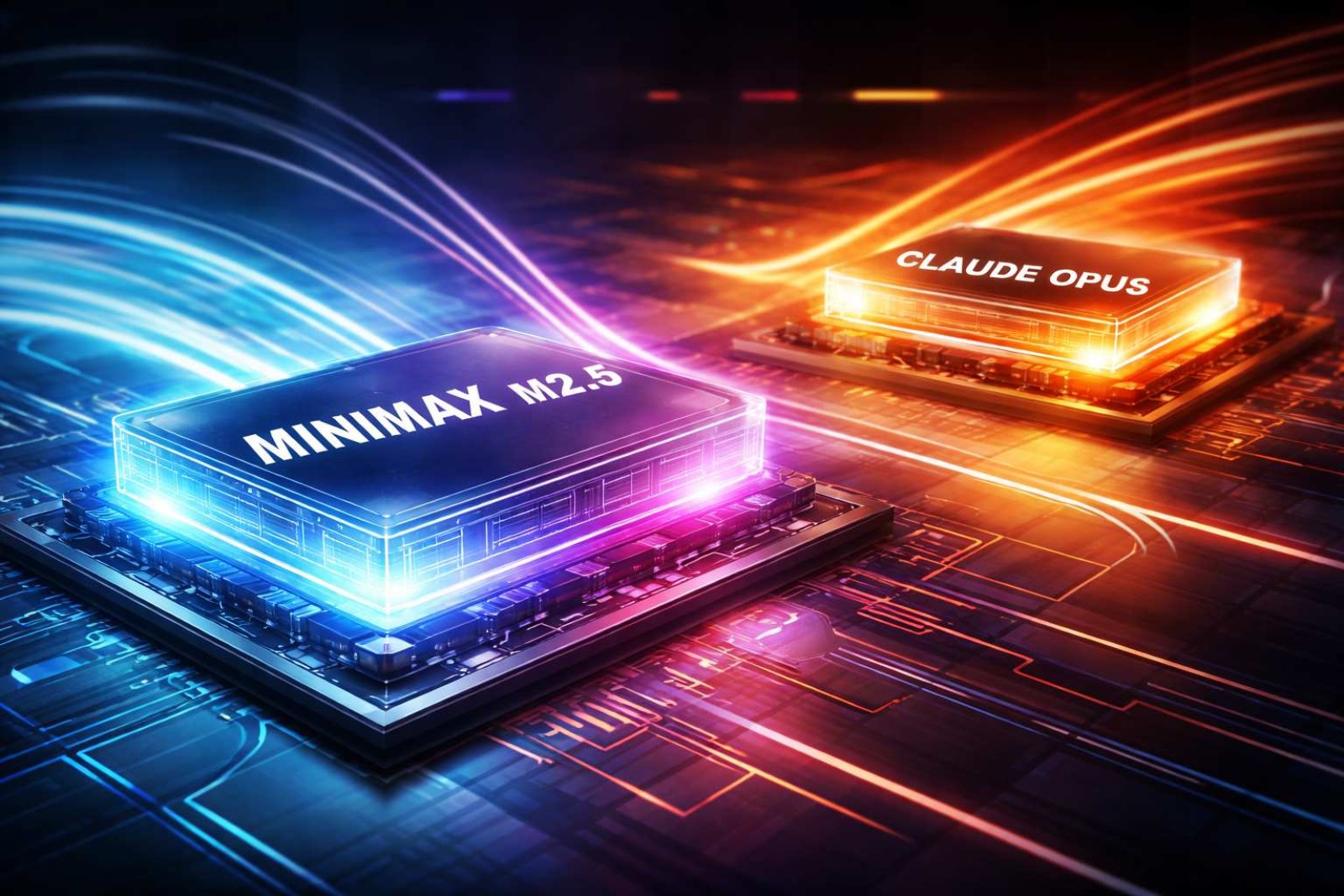
⬤ MiniMax just made a bold move by open sourcing its MiniMax-M2.5 model, pitching it as a real alternative to the top proprietary systems on the market. MiniMax-M2.5 delivers performance comparable to Claude Opus while costing roughly 95% less, bringing a fresh wave of competition to the AI model race.
⬤ The numbers back up the hype. MiniMax-M2.5 scored 80.2% on SWE-bench Verified, one of the most respected benchmarks for evaluating AI software engineering capabilities. On top of that, it reportedly runs three times faster than current industry leaders, making it a compelling option for teams where speed and cost matter just as much as raw accuracy. Think rapid prototyping, coding automation, and high-volume workflows.
Going fully open source marks a different strategic approach than the traditional closed models, lowering barriers to adoption for developers who don't want to pay proprietary prices.
⬤ The open-source release signals a broader strategic shift, one that mirrors moves from other players like 0G Labs exploring community-driven AI infrastructure. By removing cost barriers, MiniMax is betting on developer adoption at scale over revenue from licensing, and that bet could pay off if real-world performance holds up.
⬤ The launch of M2.5 adds another data point to a bigger story: the gap between open-source and closed AI models keeps shrinking. As AI continues narrowing productivity divides across industries, models like MiniMax-M2.5 could reshape deployment patterns, pricing expectations, and how development teams think about integrating AI into their stacks.
 Eseandre Mordi



