
 Eseandre Mordi
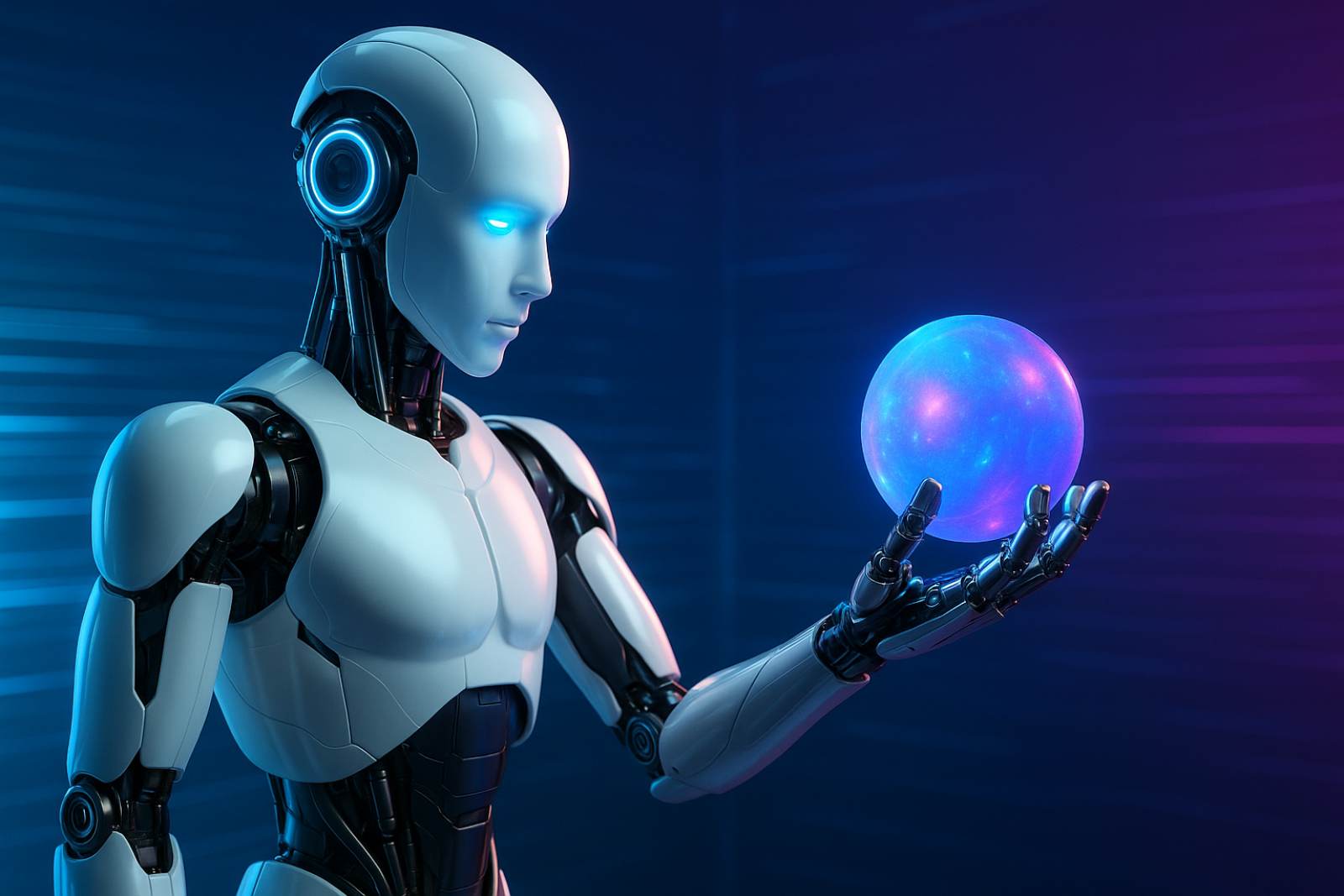
⬤ ByteDance Seed just dropped GR-RL, a robotics system that's pushing the boundaries of what machines can do with their hands. This isn't your typical pick-and-place robot—we're talking about tying shoelaces, adjusting clothing, and handling soft objects with the kind of finesse you'd expect from human fingers. The breakthrough marks a real turning point in fine-motor robotic control, with ByteDance clearly eyeing applications in home assistance and elderly care down the line.
⬤ Three key innovations make GR-RL stand out. The system learns directly from human demonstrations, capturing just the essential motion data it needs to replicate intricate movements. Then it uses data augmentation to expand its movement repertoire, making it adaptable across different objects and situations. The real magic happens with its self-trial-and-error optimization loop—the robot literally teaches itself through practice, refining its accuracy over time. This combination lets GR-RL handle deformable and irregular objects that have stumped robotic systems for years.
⬤ What makes this release particularly impressive is how GR-RL bridges the gap between basic automation and genuine human-like manipulation. Tasks like tying shoelaces and adjusting garments require coordinated control of force, movement precision, and object positioning—all working together in real time. That level of dexterity is exactly what's needed for household environments where robots face unpredictable physical conditions and need to work with everything from delicate fabrics to irregular shapes. ByteDance is betting these capabilities will eventually enable robots to tackle practical housework and provide hands-on assistance in domestic settings.
⬤ This matters because breakthroughs in object manipulation are what finally bring robotics out of factories and into everyday life. As robots gain reliable control over soft, flexible, and delicate materials, they can move into caregiving, home assistance, and personal-support roles that actually make a difference in people's daily lives. GR-RL shows how pairing structured learning with autonomous refinement can fast-track progress toward versatile assistive robots that do meaningful work in real human environments.
 Eseandre Mordi



