
 Eseandre Mordi
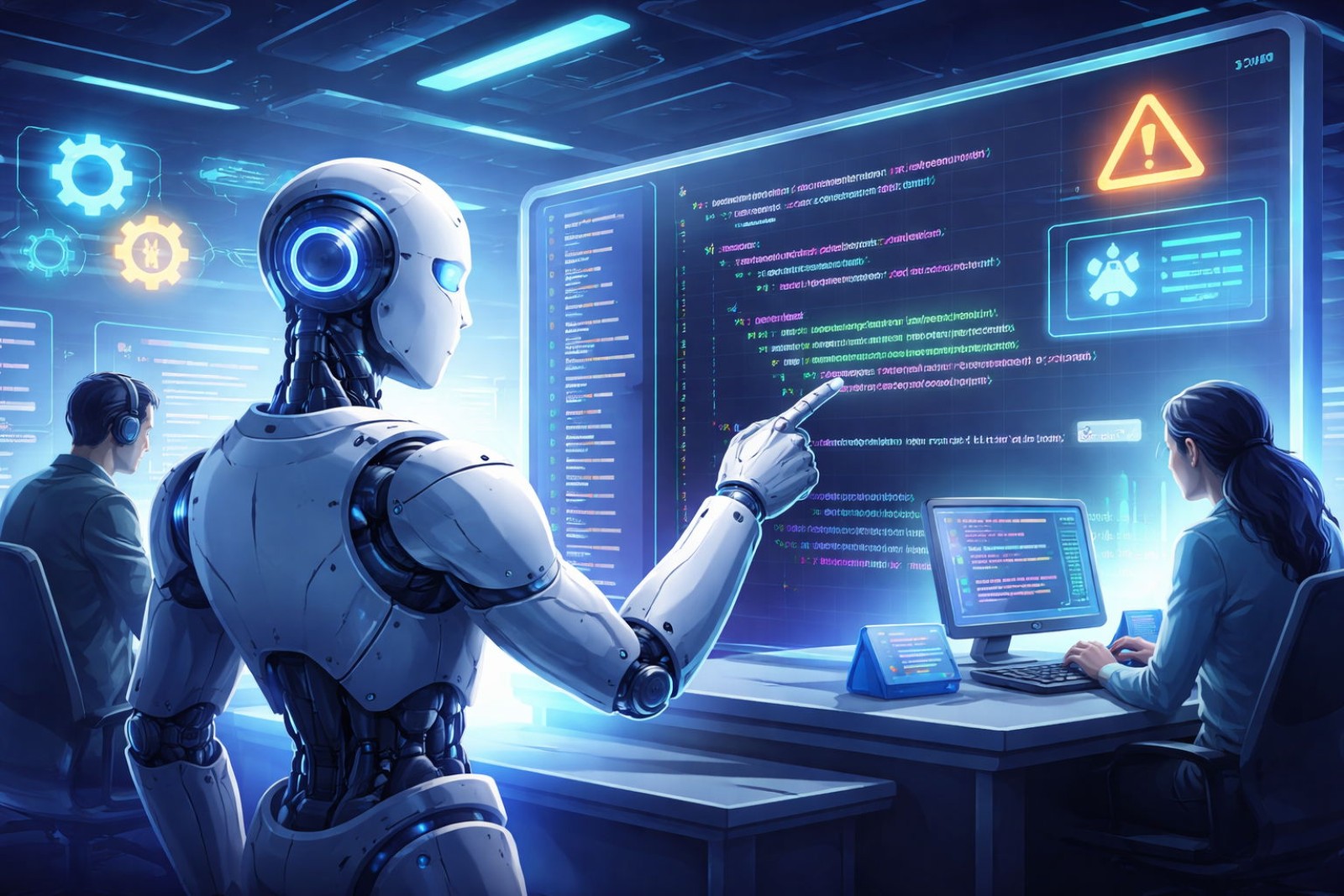
⬤ Anthropic has introduced Code Review for Claude Code, a feature that automates reviewing AI-generated code. AI-assisted teams are writing code up to 200% faster, but that speed has turned human code review into a serious bottleneck. Anthropic's fix deploys multiple AI agents to analyze pull requests in parallel, scan for bugs, filter false positives, and deliver a consolidated report on the most critical issues.
⬤ When a pull request is opened, the system dispatches a team of agents that each focus on detecting problems, validating findings, and ranking them by severity. The result is a single high-signal comment plus inline annotations. According to Anthropic, a typical automated review wraps up in around 20 minutes, giving developers detailed feedback faster than traditional manual processes. The multi-agent design prioritizes depth and accuracy, freeing engineers to focus on architecture rather than line-by-line debugging. This approach mirrors the logic explored in research showing that 2 diverse AI agents consistently outperform 16 identical ones working in parallel. For teams already pushing output with tools like Claude Auto Mode to cut coding interruptions, Code Review slots naturally into the same accelerated workflow.
The system caught a single line change that could have broken production authentication.
⬤ Internal testing shows strong results. For pull requests exceeding 1,000 lines of code, the system detected issues about 84% of the time, with engineers flagging fewer than 1% of findings as incorrect. One highlighted example: the tool caught a one-line change that would have broken production authentication. Early external tests also show it picking up subtle bugs that manual reviewers tend to miss, proving its value as AI infrastructure demands grow, particularly given that China's electricity generation jumped 7.4% while the US faces mounting AI power challenges.
⬤ Claude Code Review reflects a broader shift toward AI-driven tools that support the full development lifecycle. As AI generates more code across industries, automated validation becomes critical for maintaining reliability and security. The next phase of AI-assisted development may not just be about writing code faster, but ensuring that rapidly produced software stays stable and safe as engineering cycles continue to accelerate.
 Eseandre Mordi



