
 Eseandre Mordi
⬤ Artificial intelligence is reshaping how software gets built, opening the door for people with no formal engineering background to create working apps and digital tools. The growing conversation around "vibe coding" centers on how AI can take a raw idea and turn it into functional software with little to no traditional coding knowledge required.
⬤ Jensen Huang argued that AI has effectively closed the gap that once kept software development locked inside engineering teams. In his view, AI now lets nearly anyone become a programmer by simply describing what they want to build. The model handles the rest: generating code, automating repetitive logic, and helping users iterate fast on their ideas. Huang has made similar observations about how extreme AI compute is making complex problems more approachable.
AI has closed the technology divide that once limited software development to trained engineers.
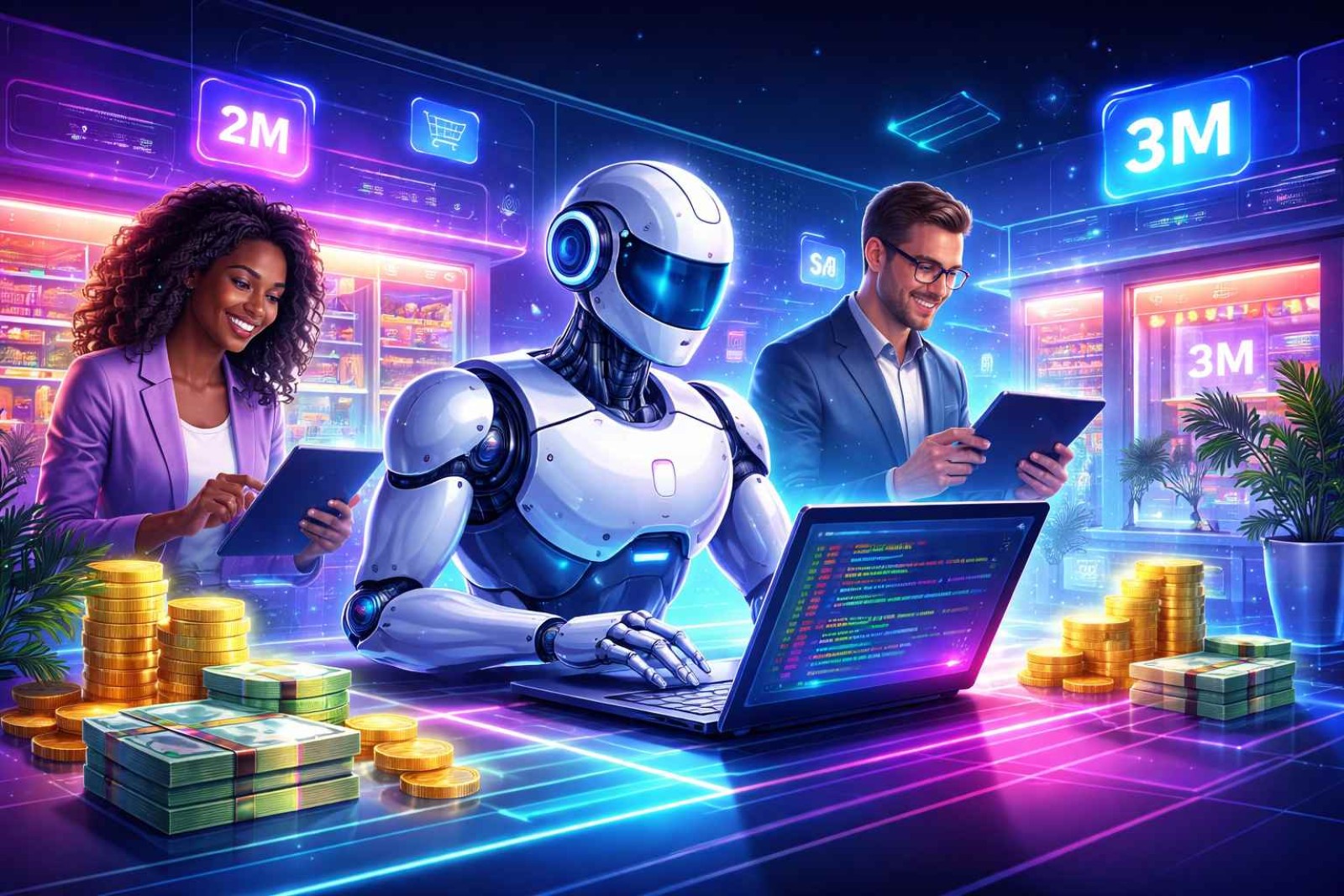
⬤ Huang also shared a concrete example of how this is playing out in the real world. A story relayed by the Lovewell CEO described individuals launching small software businesses almost entirely on AI-generated tools, with some of these lean operations pulling in between $2 million and $3 million in annual revenue. It's a striking illustration of how accessible development can unlock entirely new economic opportunities.
⬤ The bigger picture here is a software ecosystem where automation is steadily replacing traditional engineering bottlenecks. As AI models get sharper at reasoning and code generation, building digital products will keep expanding beyond professional programmers. That momentum is also visible in the infrastructure race: China's electricity generation jumped 7.4% as demand for AI compute continues to surge, putting pressure on how companies and countries plan for the next phase of AI growth.
 Eseandre Mordi



