
 Eseandre Mordi
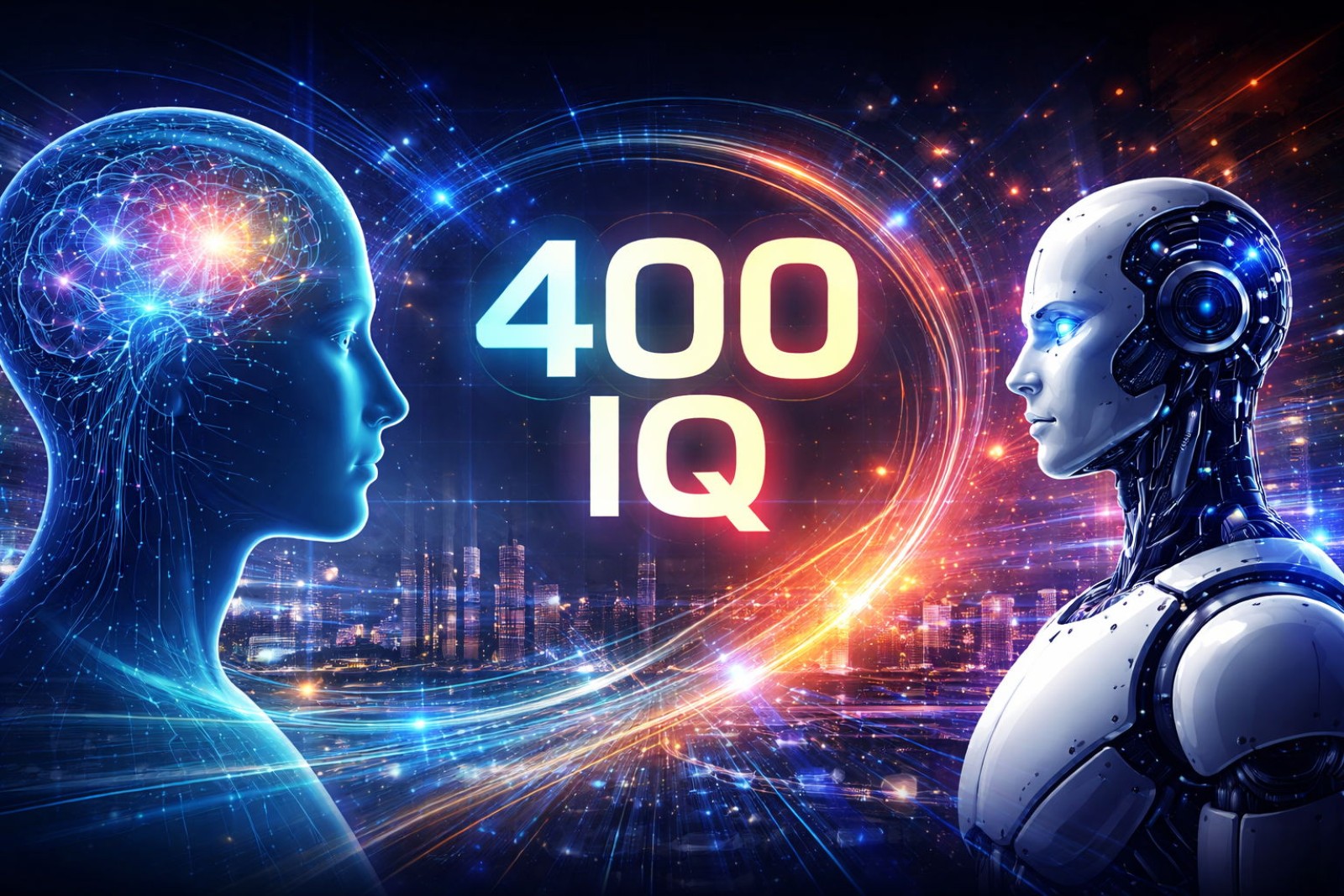
⬤ We're standing at a fork in the road with artificial intelligence, and the choice we make now could reshape everything. Mo Gawdat calls this moment a "superposition"—basically, AI can either unlock extreme abundance or take us down a less favorable path, depending on how we use it. What's wild is how fast this is all happening. Timelines that used to span decades are now compressed into just a few years.
⬤ Here's where it gets really interesting: Gawdat thinks that by late 2026 or 2027, we'll be able to "borrow" the equivalent of 400 IQ points through advanced AI systems. Now, we're not talking about becoming biological geniuses overnight. Instead, AI becomes this incredibly powerful cognitive extension—like having a superintelligent partner that helps you solve problems and make decisions way beyond what any human could do alone.
⬤ And with that kind of amplified intelligence? The possibilities get pretty mind-blowing, especially in fields like nanophysics. If we can truly understand and control matter at the nanoscale, we could fundamentally change how we produce things. Gawdat uses this compelling metaphor: imagine a future where creating complex technology becomes as easy as picking fruit from a tree. Material scarcity could practically disappear.
⬤ These aren't just sci-fi daydreams—they carry real weight for how we think about economics and technology going forward. If AI-driven abundance is on the horizon, that changes everything from innovation strategies to how we allocate capital and prepare for massive structural shifts. But here's the catch: Gawdat's "superposition" concept reminds us that nothing's guaranteed. The outcomes depend entirely on the choices we make right now—how we govern AI, what ethical frameworks we establish, and how seriously we take this responsibility. The decisions we're making today could define whether we enter an era of unprecedented prosperity or something far less promising.
 Eseandre Mordi



