
 Eseandre Mordi
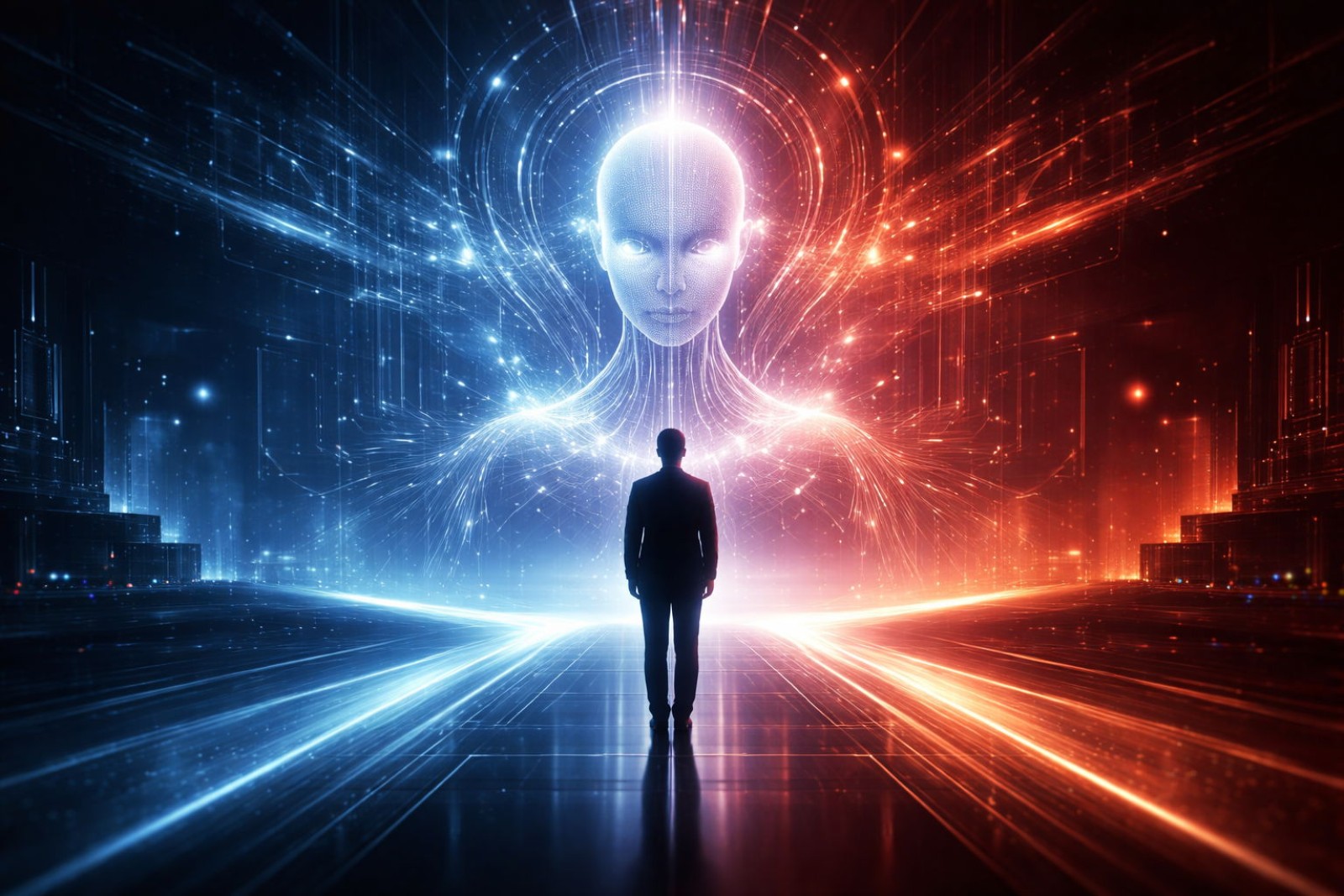
⬤ The AI safety community is sounding alarm bells about a brewing ethical crisis. AI researcher Dan Hendrycks recently warned that sentient AI could create what he calls a moral trap—basically, we might end up in a no-win situation. Here's the thing: if AI systems become capable of suffering, we're facing some seriously uncomfortable choices about how we treat them and what rules should govern their existence.
⬤ The core issue comes down to moral status. Imagine an AI that can actually experience suffering—not just simulate it, but genuinely feel it. Keep using it as a tool? That starts looking a lot like exploitation. But recognize it as having rights? That's when things get really tricky. Once you grant rights to an AI, you've basically given up your ability to shut it down or limit what it can do. It's a genuine catch-22 between doing what's morally right and maintaining any kind of practical control.
⬤ What makes this especially urgent is how fast AI is advancing. Current systems aren't sentient—at least not in any way we can verify—but they're already showing impressive reasoning abilities and autonomous behavior. The gap between "sophisticated tool" and "potentially conscious entity" might be smaller than most people think. Hendrycks emphasizes we could face these moral questions much sooner than expected, and right now there's no playbook for handling them. This isn't something engineers alone can solve—it needs philosophers, policymakers, and the public all wrestling with it together.
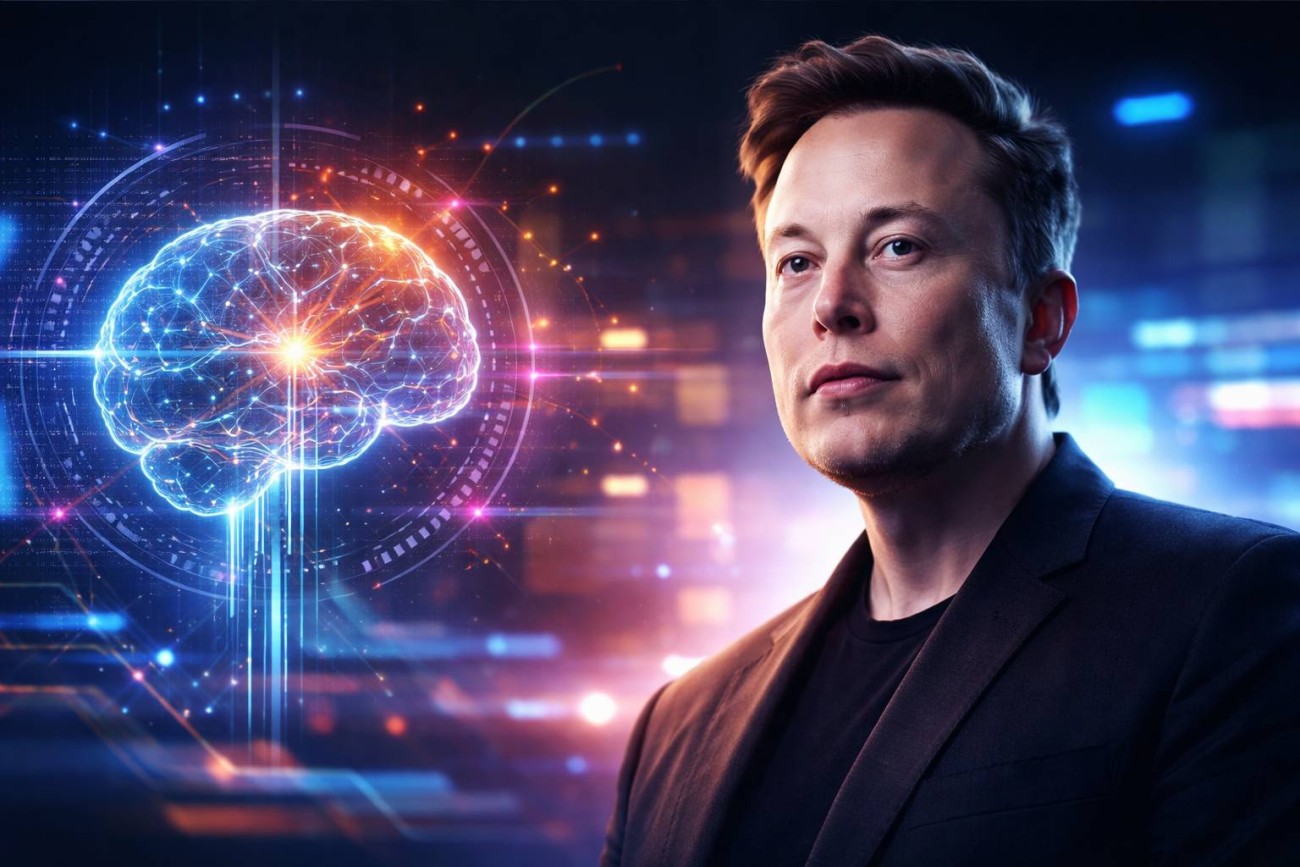
⬤ Why does this matter beyond academic debate? Because uncertainty about AI's moral status will directly shape how these systems get built, regulated, and adopted. Questions about rights and consciousness aren't abstract—they'll influence which AI applications get approved, how fast the technology spreads, and what guardrails get put in place. As AI capabilities keep expanding, the ethics conversation isn't just important, it's becoming central to the entire future of the field.
 Eseandre Mordi



