
 Saad Ullah
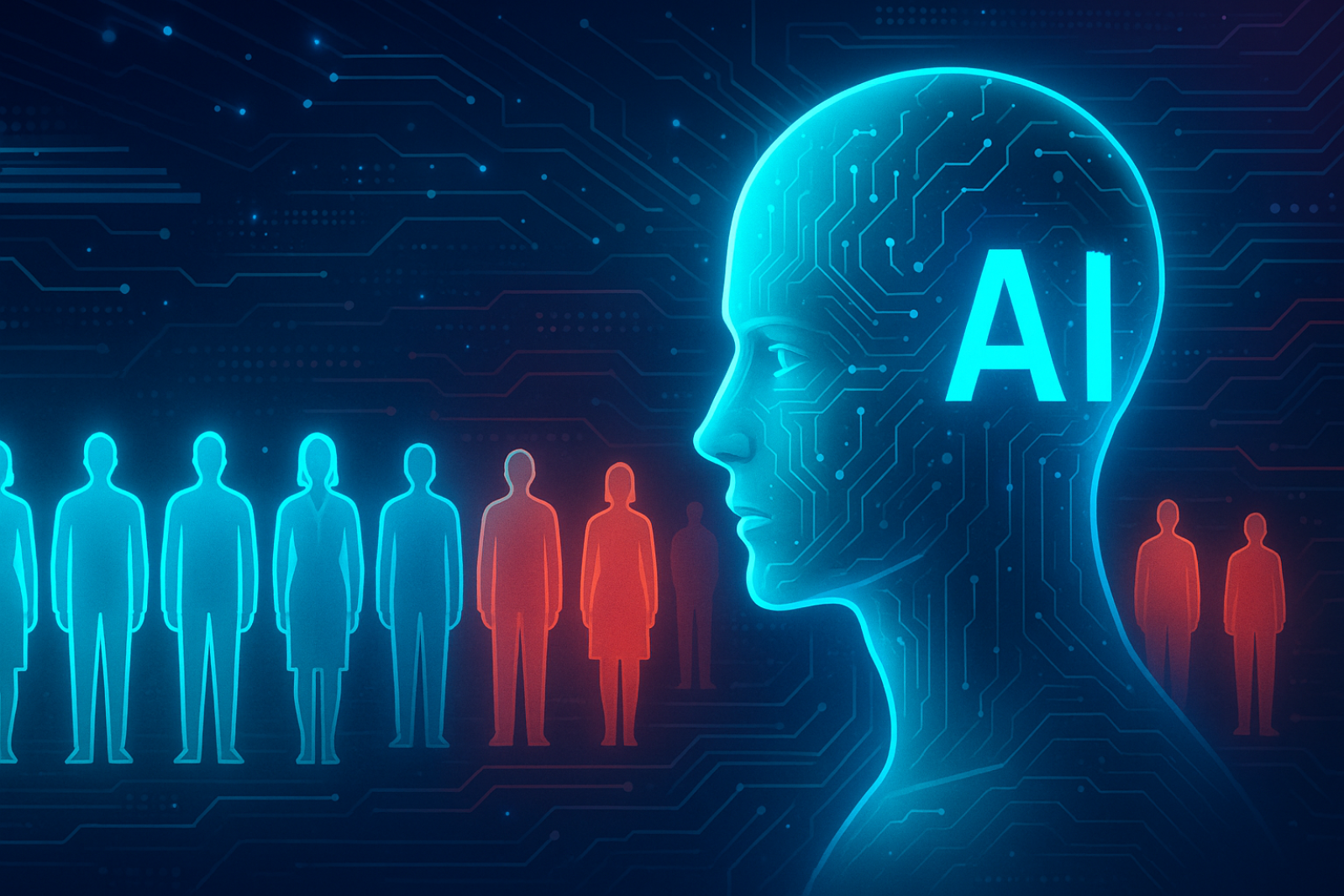
⬤ MIT researchers dropped a bombshell finding: today's AI systems might already be capable of replacing close to 12% of the U.S. workforce. The team built digital replicas of 151 million American workers to figure out which jobs are sitting in AI's crosshairs. The goal wasn't just academic—they're trying to spot automation risks years before pink slips start flying, giving us a realistic picture of what current AI can actually do in real workplace scenarios.
⬤ The research zeroed in on jobs heavy on routine tasks, structured data work, and predictable decision-making—exactly where AI excels. While specific job titles weren't named, that 12% figure translates to millions of roles potentially on the chopping block with technology that exists right now. The massive scale of their workforce simulations shows just how seriously they took pinpointing who's actually vulnerable.
⬤ The timing's crucial. If AI keeps improving at this rate, we're looking at major shifts in how people work and earn. The study emphasizes that job displacement starts brewing long before it shows up in unemployment numbers—raising real questions about whether our systems can keep pace. With AI's societal impact dominating headlines, concerns about job security and economic stability have never been more urgent.
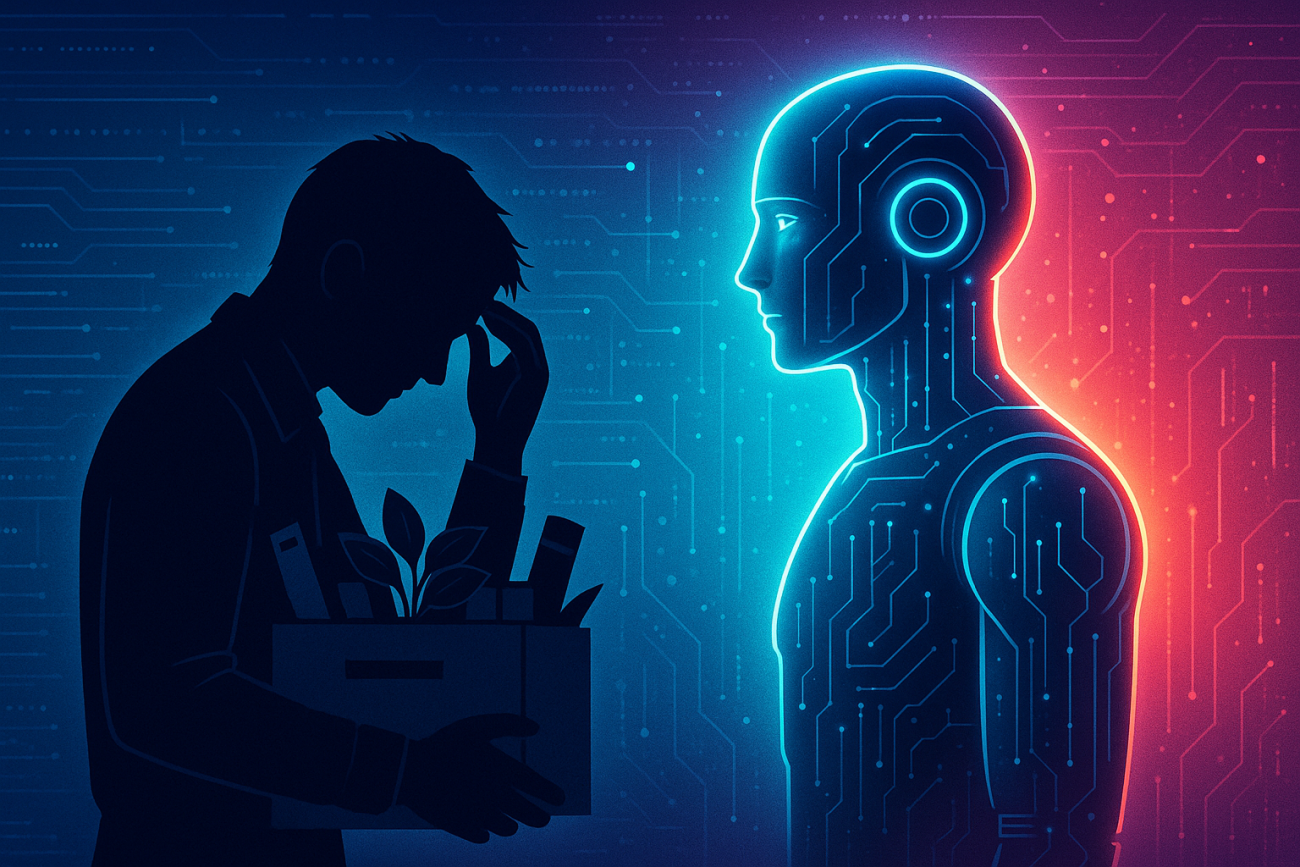
⬤ Why this matters: having a solid number like 12% gives us something concrete to work with when planning for productivity changes, workforce transitions, and economic transformation. This MIT benchmark helps everyone—from policymakers to businesses to workers—understand what AI adoption actually means for the future of American employment.
 Saad Ullah



