
 Saad Ullah
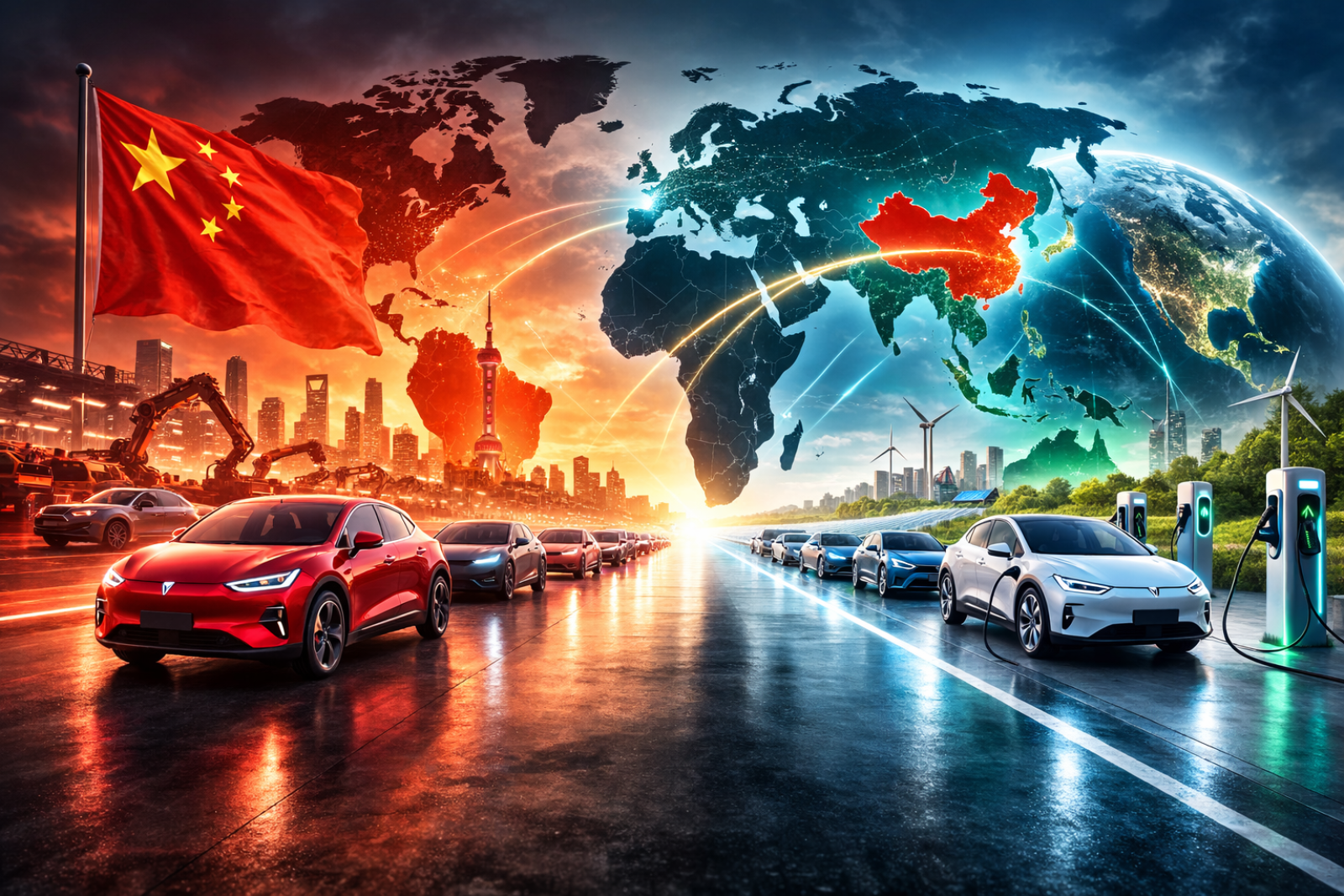
⬤ China's robotic EV factories are running almost entirely without people, and the numbers tell the whole story. The International Energy Agency counted 17.3 million electric vehicles built worldwide last year. China made 12.4 million of them - that's over 70% of everything produced globally.
⬤ The massive share comes down to one thing: automated production facilities that can keep churning out vehicles around the clock. These robotic assembly lines don't need breaks, don't call in sick, and maintain consistent quality at scale. It's not just about meeting demand anymore - it's about who can build the most efficient production system.
⬤ This automation trend isn't limited to car factories. Similar patterns are appearing across industries, as seen in research showing how AI tools triple research output but may narrow scientific focus (https://aigazine.com/industry/ai-tools-triple-research-output-but-may-narrow-scientific-focus--s).
⬤ What we're watching is a fundamental shift in how the car industry works. The competition isn't really about which country wants EVs most - it's about who has the infrastructure and tech integration to manufacture them at scale. China's robotic super-factories have given them a massive head start, and that advantage looks like it'll shape the global automotive landscape for years to come.
 Saad Ullah



