
 Victoria Bazir
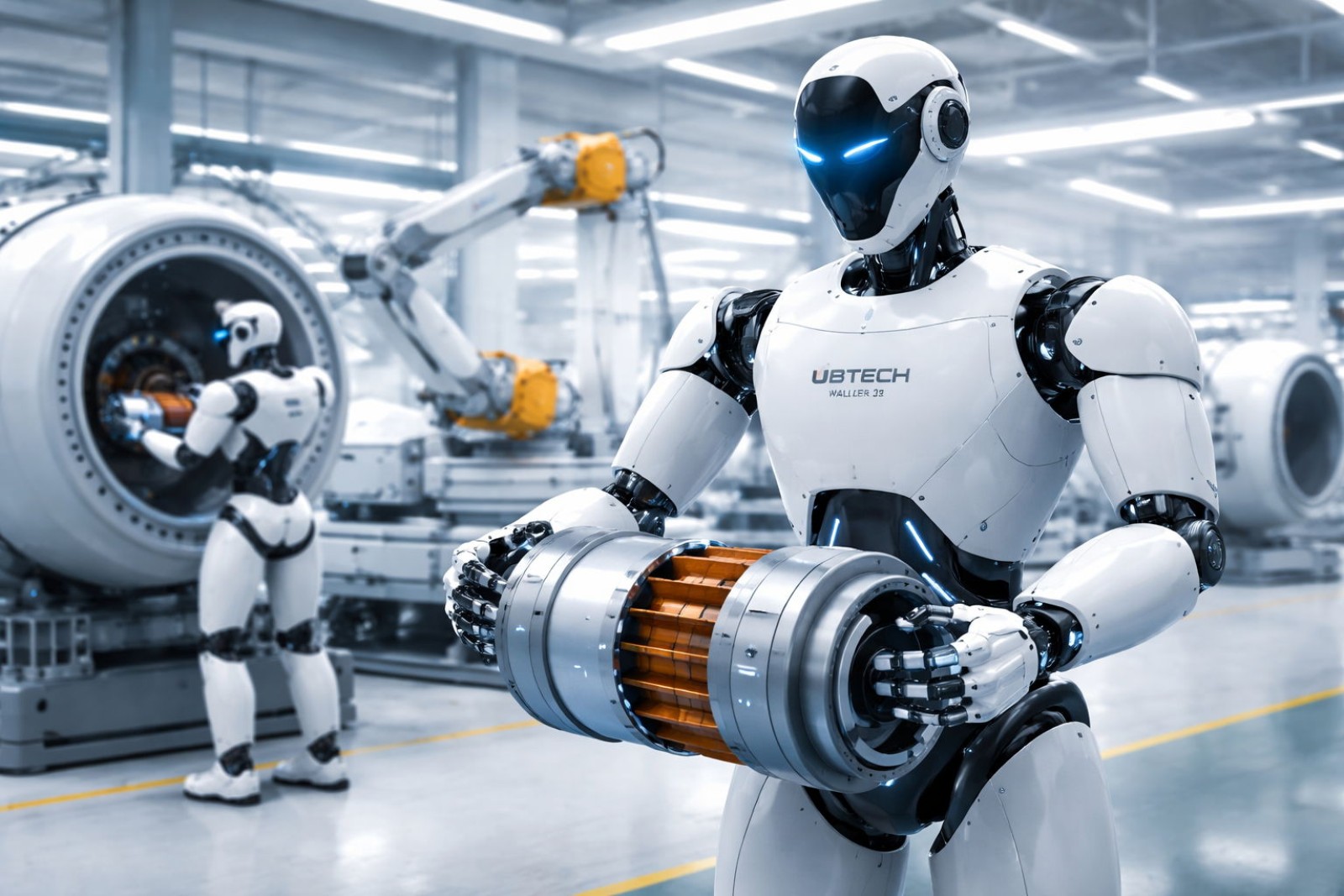
⬤ Humanoid robots aren't stuck in labs anymore—they're actually working in real factories now. UBTECH's Walker S2 humanoid robot has been deployed at Sany Heavy Industry's wind turbine manufacturing facility, where it's handling routine production tasks that human workers used to do. This marks a practical shift in how humanoid robots are being integrated into modern factory operations.
⬤ Walker S2 performs repetitive and physically demanding duties on the factory floor, including removing bolt covers, carrying 15-kilogram boxes of bolts to the next production stage, and working with other automated systems to retrieve pallets. The humanoid robot operates directly within existing production lines, collaborating with industrial equipment rather than working in a separate workspace.
⬤ A factory worker featured in the deployment video explains he previously handled all these tasks himself. With Walker S2 now taking over the simple, repetitive operations, he's shifted toward higher-level responsibilities like coordination and management. This labor redistribution reflects a broader industrial automation pattern—robots handle monotonous workloads while human employees focus on oversight, planning, and complex decision-making.
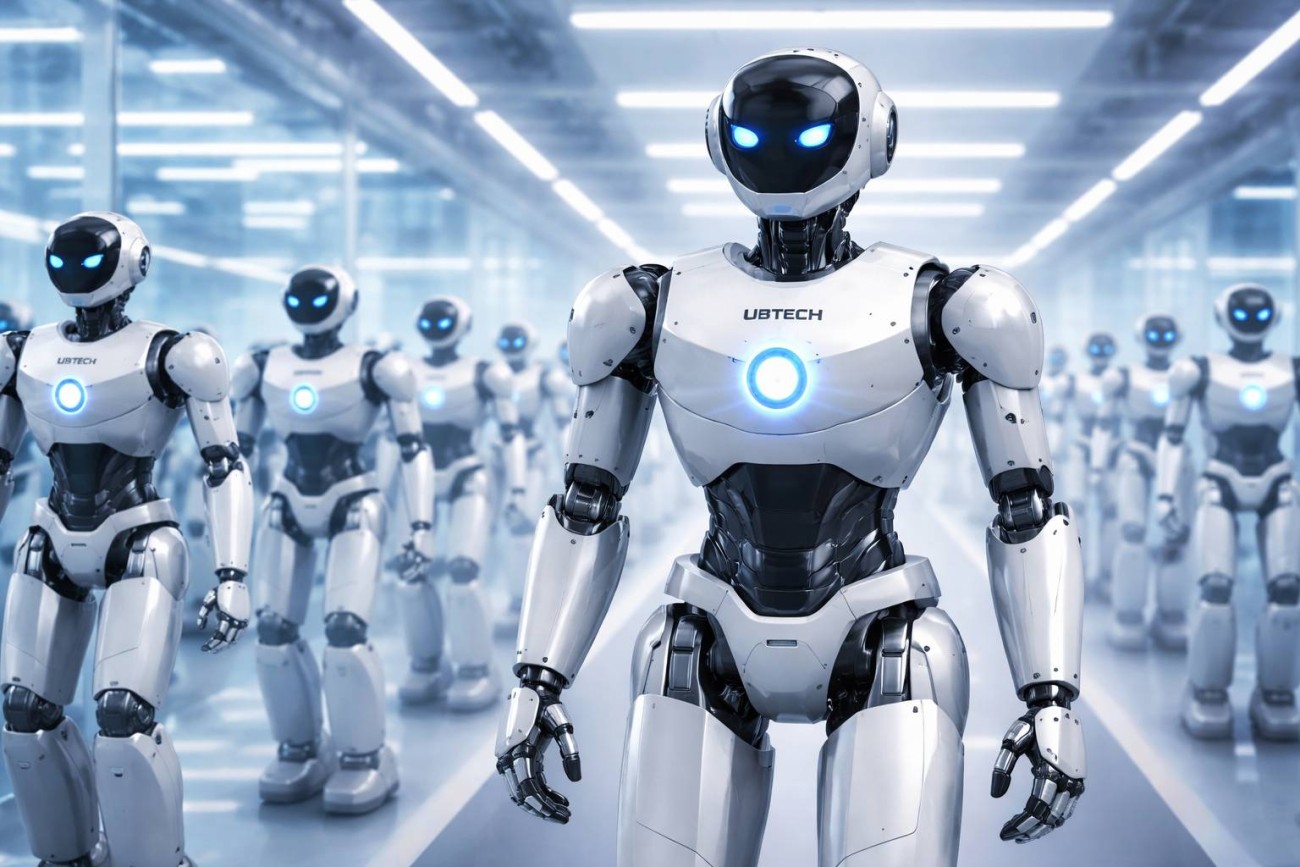
⬤ Walker S2's deployment at Sany Heavy Industry represents a significant step forward for humanoid robotics in manufacturing. Unlike traditional fixed robotic arms, humanoid robots function in human-built environments, moving between workstations and adapting to different tasks without extensive factory infrastructure changes. As more companies test and adopt humanoid systems for actual production use, their role in industrial operations will likely expand, reshaping workforce structures and accelerating the transition toward more automated, yet human-supervised, manufacturing processes.
 Victoria Bazir



