
 Victoria Bazir
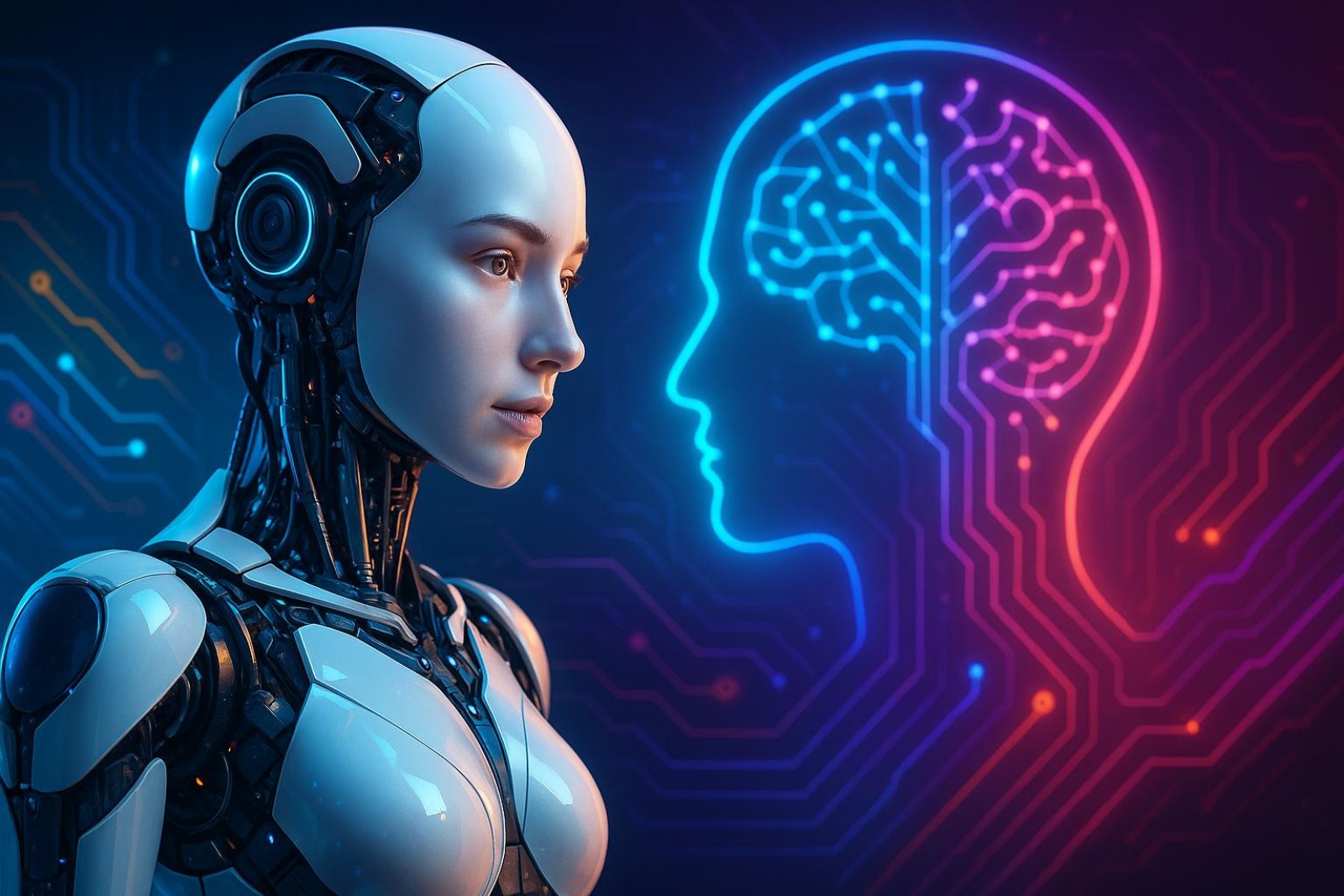
⬤ Hangzhou-based AheadForm just rolled out major upgrades to its humanoid robotics platform, and the focus is all about making these machines feel more real. The latest improvements include perfectly synced mouth movements when the robots talk and way more refined micro-expressions around the eyes. The whole point? Making conversations feel natural instead of robotic. AheadForm says they're building robots that can actually provide emotional companionship, not just perform tasks.
⬤ The company's working on ultra-humanlike robots that dodge that creepy uncanny-valley feeling by mixing artistic design with cutting-edge AI. They've teamed up with artists to make these humanoids visually appealing—basically presenting them as what future humans might look like. What powers all this is CharacterMind, their AI system that reads tone, expressions, and gestures, then coordinates responses through voice, facial cues, eye contact, and body language. The result is conversations that feel less like talking to a machine and more like chatting with an actual person.
⬤ AheadForm's newest models keep consistent emotional expression throughout conversations, even when switching between languages. They've nailed the smooth back-and-forth flow that makes interactions feel genuine. The company's pushing hard on emotional authenticity—they want these robots seen as companions, not just functional tools. By fine-tuning behavioral cues and syncing facial movements with speech, they've seriously boosted the sense of presence and humanlike engagement.
⬤ This push toward emotional intelligence and lifelike expressiveness is becoming huge in robotics. As systems like CharacterMind get better, the market for emotionally capable humanoid robots is likely to grow across consumer products, service industries, and entertainment. AheadForm's progress shows where naturalistic AI companions are headed and raises the bar for what people will expect from human-machine interaction going forward.
 Victoria Bazir



