
 Victoria Bazir
⬤ Tesla's Optimus program is picking up serious momentum. As Mario Nawfal reported, Elon Musk is framing Optimus as a hands-on assistant built for real-world use, not a lab experiment. Tesla describes it as a general-purpose humanoid robot designed to take on repetitive or undesirable work, marking a clear move from prototype to practical deployment.
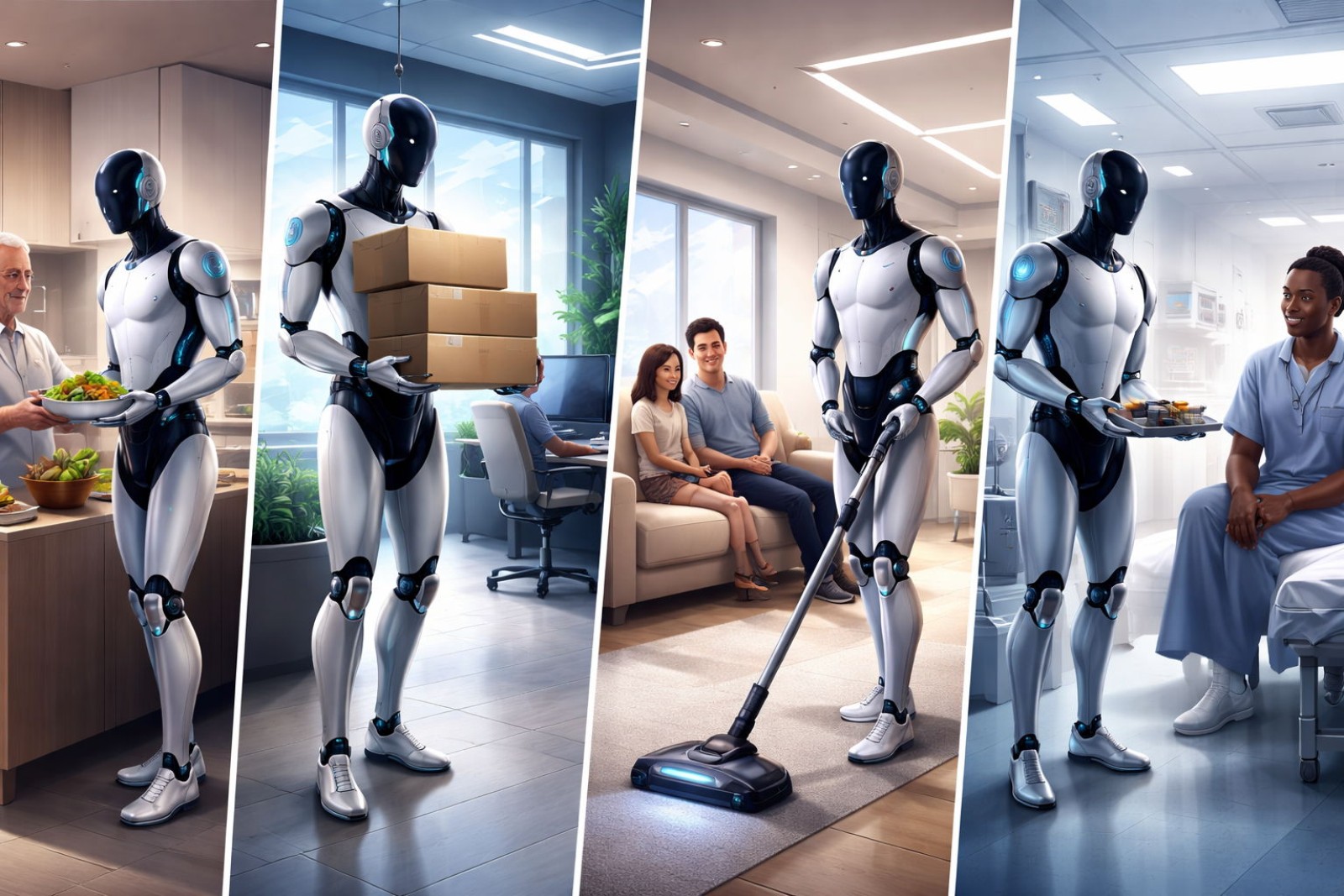
⬤ The focus is squarely on household and personal utility. Use cases already demonstrated include carrying items, cleaning, supporting family members, and handling routine chores. These aren't theoretical scenarios. Demos show Optimus moving objects, navigating spaces, and interacting with its environment in ways that point to a functional assistant role, not a showcase bot sitting behind glass.
Optimus could be more valuable than everything else Tesla has combined.
⬤ Tesla Optimus also reflects a wider industry acceleration. Companies across the sector are racing to push humanoid systems into real-world deployment. Tesla's plan starts internally, using Optimus in its own facilities before any broader rollout, a staged approach designed to manage the engineering complexity that still comes with scaling humanoid production.
⬤ The bigger picture here is a fundamental shift in how AI-driven machines fit into daily life. Personal robotics, once framed around industrial automation, is increasingly discussed as a productivity tool for homes and businesses alike. The conversation around humanoid robots built for human connection is no longer speculative. With Optimus, Tesla is making the clearest case yet that this shift is already underway.
 Victoria Bazir



