Victoria Bazir
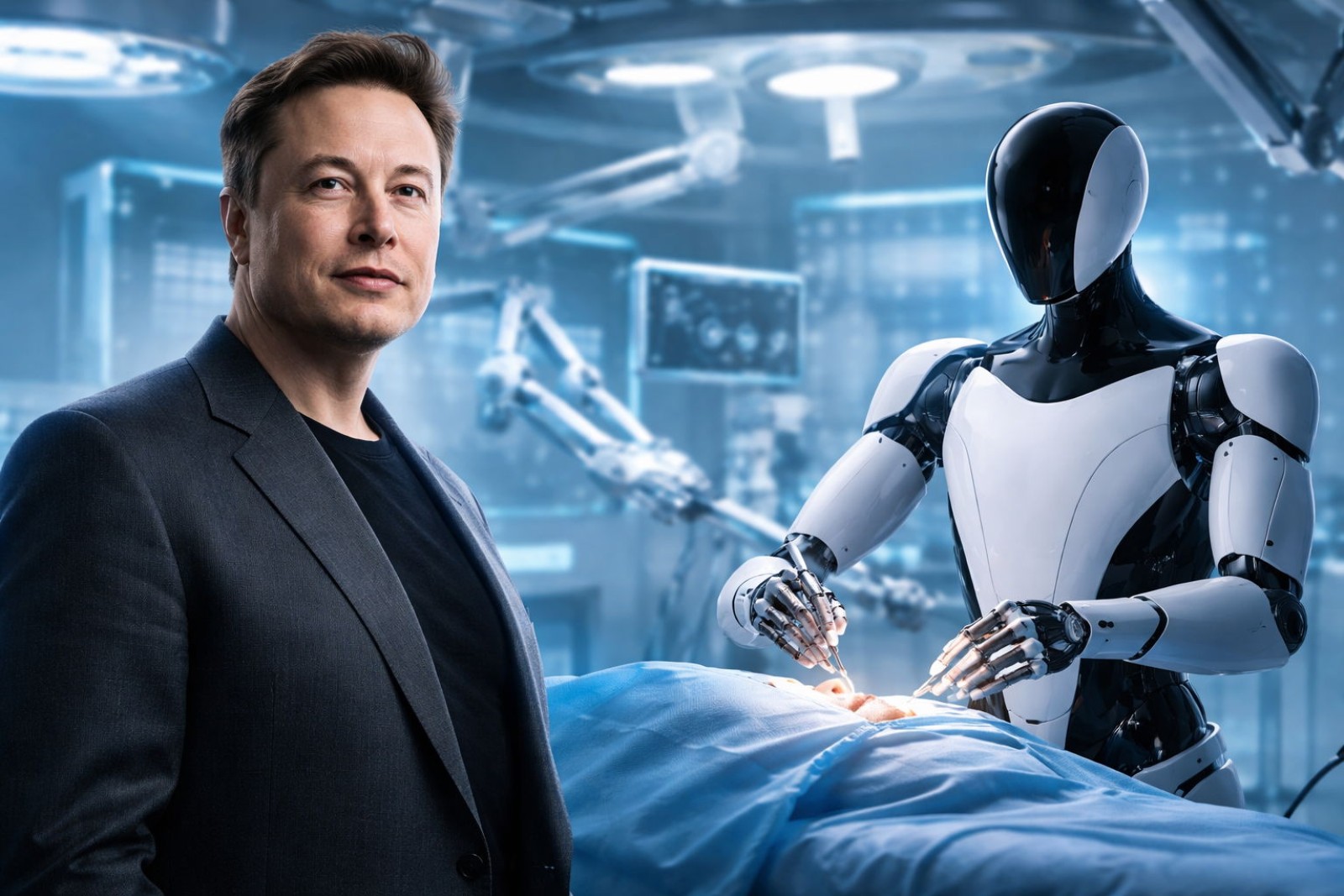
⬤ Tesla is back in the spotlight after CEO Elon Musk suggested that the Optimus humanoid robot could outperform skilled human surgeons within three years. The comment reflects Tesla's widening focus beyond cars and into real-world AI. As X Freeze noted, the projection frames Optimus as a scalable fix for a genuine global problem: there simply are not enough trained surgeons to go around, and Tesla's Optimus gets closer to human touch with 1,000-sensor robotic hand, making the timeline feel less far-fetched.
⬤ Musk pointed to structural limits inside modern healthcare - not just a lack of surgeons, but also fatigue, schedule constraints, and geographic barriers that keep skilled care out of reach for millions. A robotic system that operates with consistent precision, no rest breaks, and the ability to be deployed anywhere in the world is a compelling answer to those gaps. Recent milestones back that vision: Tesla Optimus update shows progress in learning 3 key household tasks, signaling that the platform is moving toward complex, high-skill work faster than many expected.
⬤ Still, the broader conversation around advanced AI is not all optimism. Separate reporting flags a harder question running underneath the robotics hype: Elon Musk: controlling superintelligent AI may be impossible. That tension - between celebrating what autonomous systems can do and honestly reckoning with what happens when they operate beyond human oversight - shapes how seriously policymakers and health systems will engage with surgical robotics at scale.
⬤ The surgical claim is the sharpest version yet of a thesis Tesla has been building for two years: that humanoid robots will move from novelty to critical infrastructure faster than the industry expects. Whether that timeline holds depends on regulatory clearance, clinical validation, and trust - none of which are guaranteed. But the direction of travel is clear, and Musk's three-year window gives the market a concrete milestone to watch.
 Victoria Bazir