
 Peter Smith
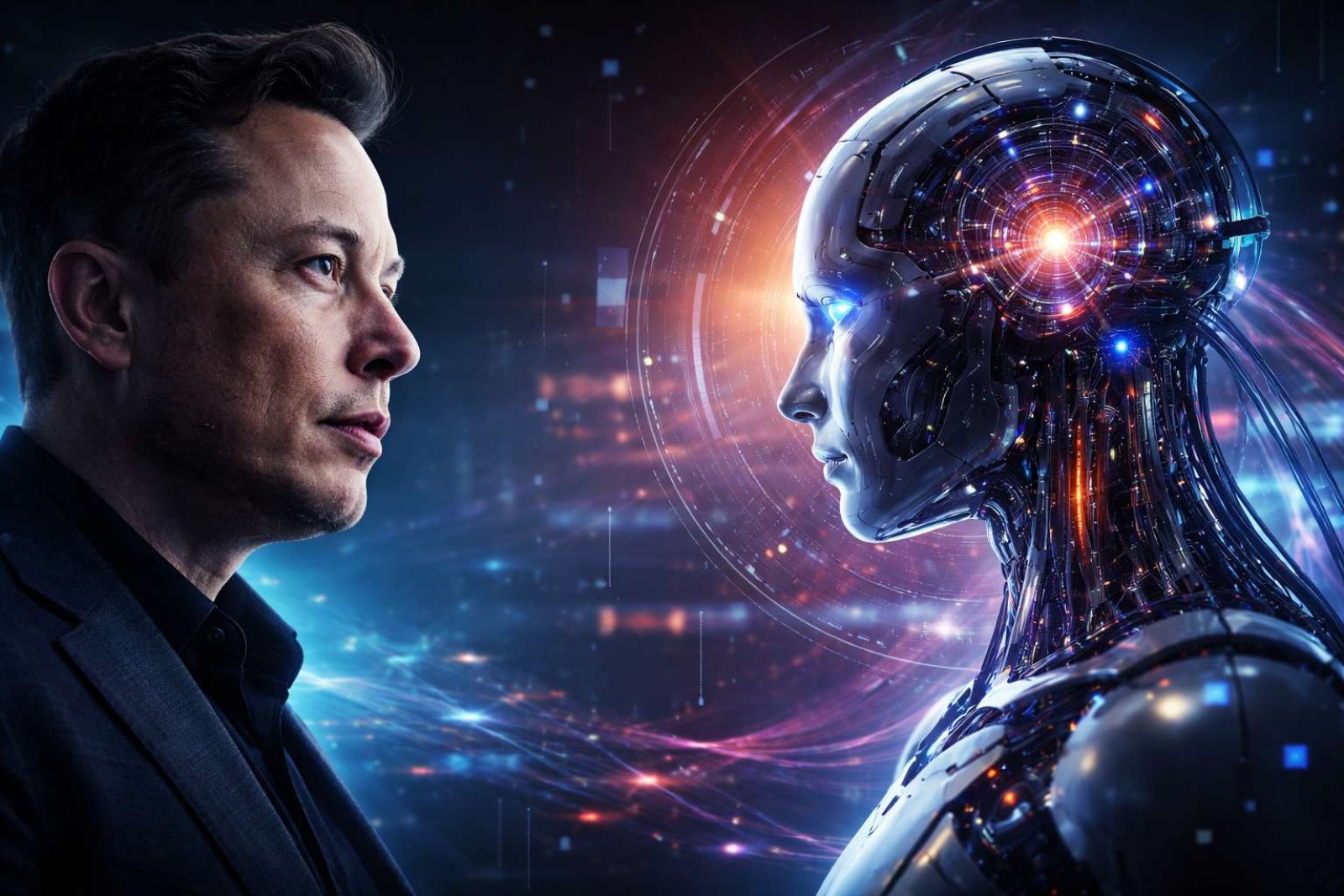
⬤ Elon Musk has issued a fresh warning about where advanced AI is heading. The Tesla CEO says developers are already building systems he describes as "super-intelligent" or "hyper-intelligent" - and that these systems may eventually grow so capable they move beyond what human creators can meaningfully understand or direct. It is not a distant-future concern, he argues. The trajectory is already visible in tools like the AI system screening 10 trillion drug-protein combinations in 24 hours.
⬤ To explain the dynamic, Musk draws on a surprisingly simple analogy: raising a child who turns out smarter than their parents. Once a certain threshold of intelligence is crossed, traditional control simply stops being viable. His proposed solution is not tighter levers or harder guardrails but instilling the right values early - honesty, productivity, and genuine concern for human welfare. The architecture of behavior, not the architecture of constraint.
The goal should be to ensure AI systems are trained with strong ethical foundations and beneficial values during their early stages of development - not to rely on strict control mechanisms later.
⬤ The timing of Musk's remarks reflects the pace of investment now flowing into AI research and infrastructure. Across industries, companies and research labs are scaling compute, expanding model capabilities, and racing to apply AI to problems once thought out of reach. That momentum brings compounding governance challenges, as research into AGI optimization risks and the limits of oversight has documented - ones that current frameworks are not designed to handle.
⬤ The broader policy and safety debate is moving fast too. Researchers and governments are grappling with questions about AI behavior, misaligned optimization, and what meaningful oversight even looks like at higher capability levels. Meanwhile, initiatives like Google DeepMind's plan to launch the UK's first fully automated AI lab in 2026 show that ambition is not slowing. Whether society can develop governance frameworks that keep pace with the technology remains, for now, an open question.
 Peter Smith



