
 Eseandre Mordi

⬤ Four previously unknown OpenAI models showed up on DesignArena recently, catching the attention of users who spotted them in the platform's interface. The models—Emperor, Rockhopper, Macaroni, and Mumble—are now live in the testing environment, with Emperor standing out as the heavyweight option. Screenshots show Emperor displayed in a "LLM Dossier" interface that breaks down its identity, what it can do, its limitations, and something called a reasoning budget or "juice."

⬤ Early data reveals the reasoning budgets for each model: Emperor comes in at 512 units, Rockhopper at 64, Macaroni at 16, and Mumble at 0. While these numbers might shift slightly based on how you prompt them, there's clearly a pecking order here, with Emperor built for handling complex, multi-step reasoning tasks. Configuration files confirm all four are listed under OpenAI's provider entries and actively being tested.
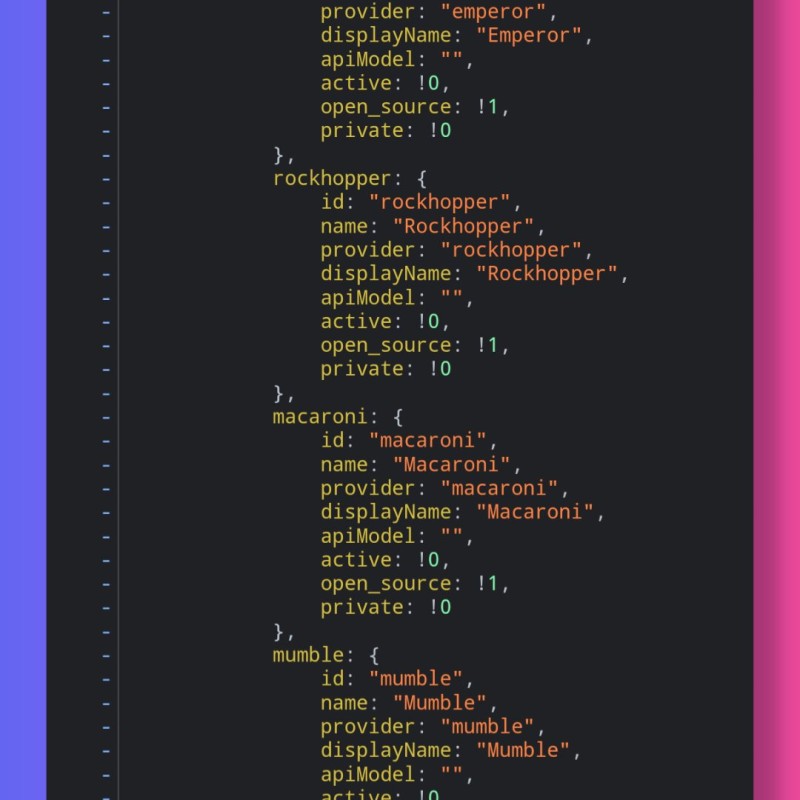
⬤ The interface screenshots show Emperor has a knowledge cutoff of September 2025, can understand images, and includes controls for checking its reasoning capacity and running live demos. OpenAI hasn't made any official announcement, but the structured setup and detailed metadata suggest they're running a carefully controlled testing phase.
⬤ Rolling out models with different reasoning levels hints that OpenAI might be building a tiered lineup to match different needs. Emperor's massive 512-unit reasoning budget positions it for heavy-duty work, while lighter options like Macaroni and Mumble seem designed for quicker, simpler tasks. As businesses look for AI systems that balance performance with cost, this multi-tier approach could reshape how companies choose and deploy AI tools going forward.
 Eseandre Mordi



