
 Peter Smith

⬤ Neuralink just released a major update to its N1 brain implant based on what they've learned from early patients and clinical trials. The device still uses 1,024 electrodes, but the internal setup has changed completely—it now features 128 ultra-thin threads with eight electrodes each, replacing the older design that had 64 thicker threads carrying 16 electrodes each. The shift matters because thinner threads cause less disruption to surrounding blood vessels and brain cells during and after implantation.
⬤ The biggest improvement is how fast these threads can be inserted. Insertion time dropped dramatically from about 17 seconds per thread down to roughly 1.5 seconds per thread. That means shorter surgeries and less time with surgical tools interacting with delicate brain tissue. Faster insertion also gives surgeons better control to navigate around sensitive areas, which helps protect neural structures during the procedure.

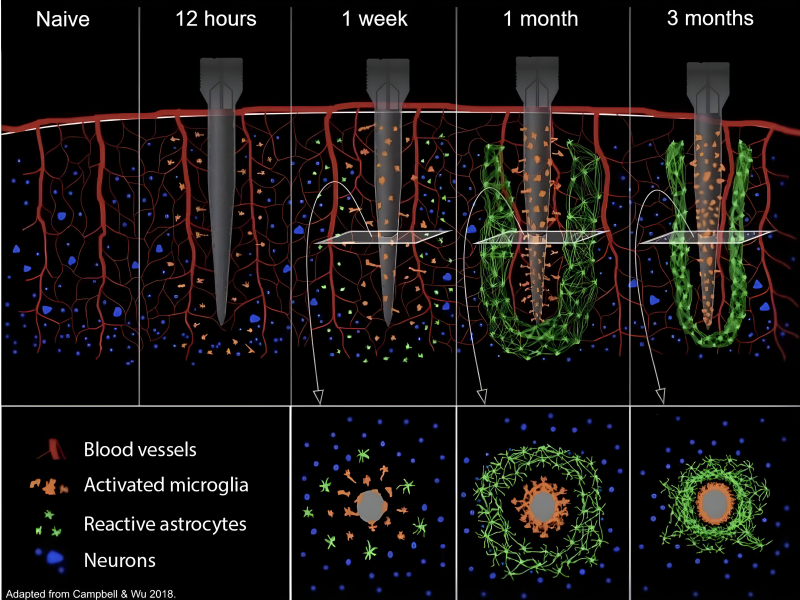
⬤ Brain tissue reacts to any implant over time, with neurons, microglia, astrocytes, and blood vessels all adapting around the foreign material. Neuralink's move to thinner, more numerous threads is designed to work with these natural biological responses rather than fight against them. The goal is better long-term stability and clearer, more consistent neural signals. By keeping the same total number of electrodes at 1,024, the system maintains high data resolution while improving how well it integrates physically with the brain.
⬤ These upgrades matter beyond just Neuralink. Progress in brain-computer interface design influences the entire neurotechnology and medical device sector. Better implantation speed, surgical precision, and long-term stability tackle some of the biggest technical challenges facing invasive neural interfaces. As Neuralink continues refining its system with real-world patient data, these advances could reshape expectations around how scalable, durable, and practical next-generation neural technologies can actually be.
 Peter Smith



