
 Saad Ullah
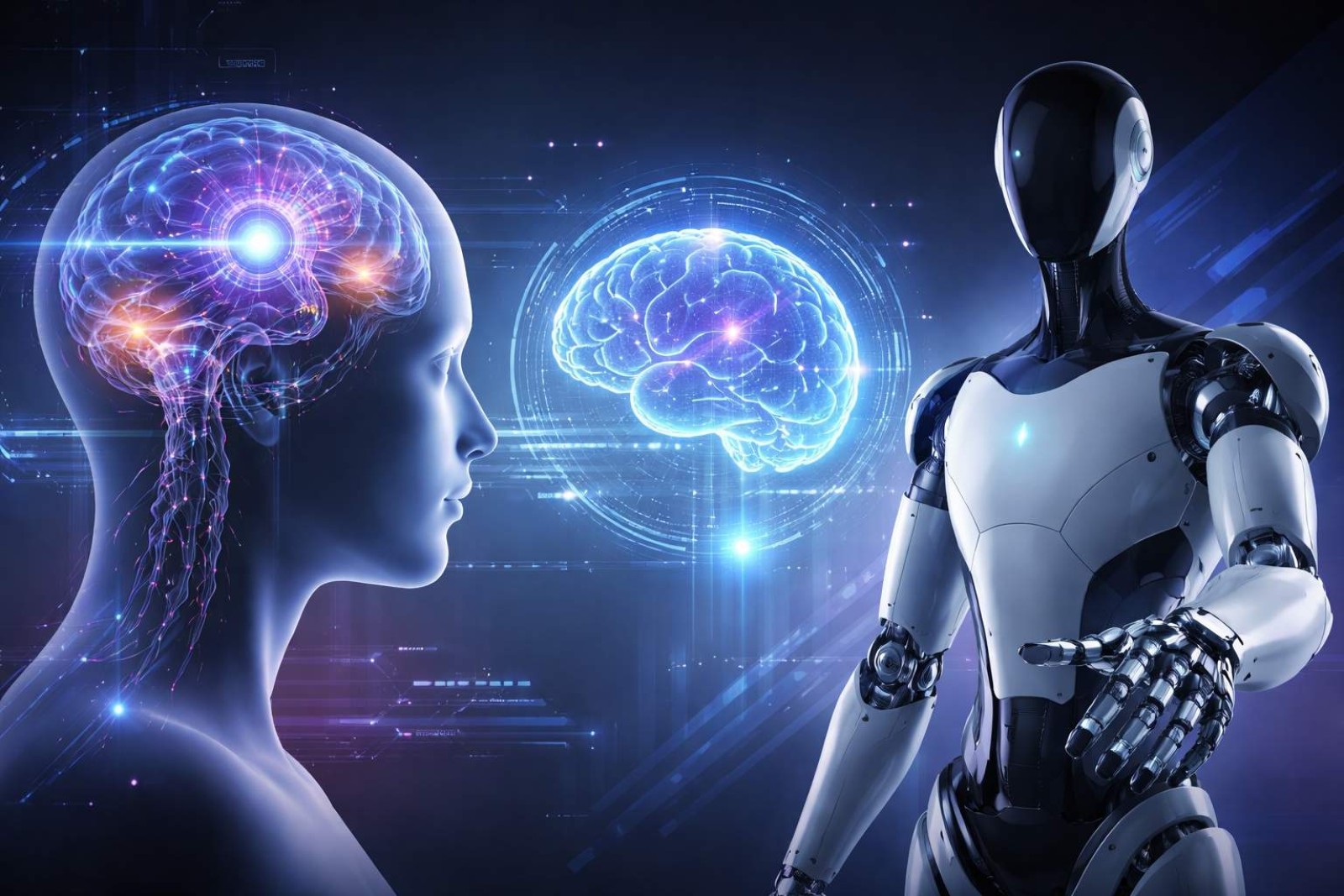
⬤ Neuralink and Tesla's Optimus humanoid robot are coming together in what could be a game-changer for prosthetic technology. Neuralink is already testing brain implants in humans that let them control external devices like robotic arms just by thinking. Now the focus is shifting to something bigger—helping people with missing limbs control robotic replacements directly from their brain.
⬤ The vision is pretty straightforward: Neuralink implants would capture the motor signals your brain sends when you want to move, then redirect those signals to robotic limbs built using Optimus technology. Instead of your arm or leg, you'd be controlling a robotic version that responds naturally to your thoughts. The goal is to give amputees back their freedom—driving, running, playing sports, doing everyday stuff—all controlled intuitively without external controllers or complicated interfaces.
⬤ Future versions of Optimus rolling out over the next few years are expected to get better at everything—more precise movements, stronger, faster response times. Paired with Neuralink, these robotic parts wouldn't just be tools you wear. They'd feel like actual extensions of your body. Some people call it "cyborg" tech, but really it's about medical solutions and helping people live normal lives again.
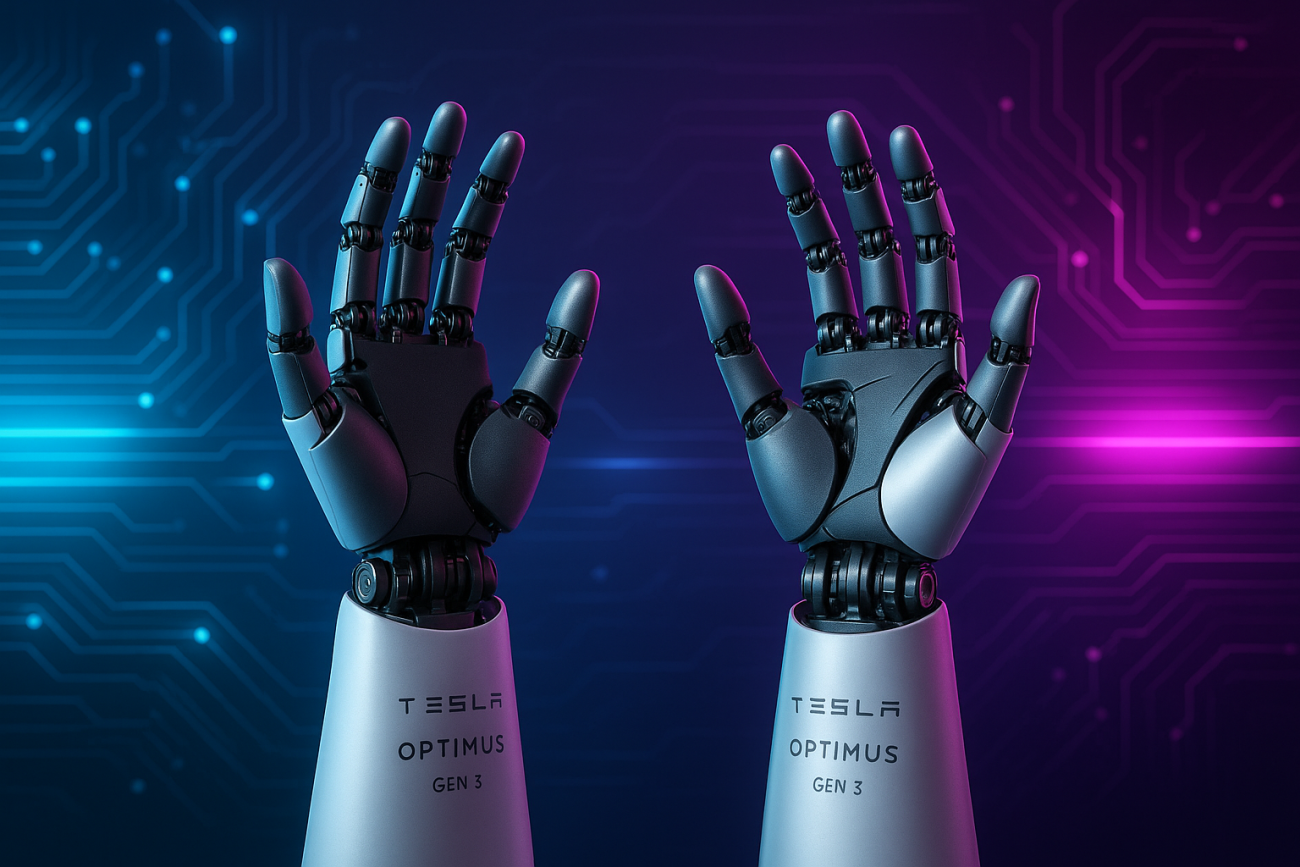
⬤ This mashup of brain-computer interfaces and humanoid robotics shows where AI, robotics, and neural engineering are headed in assistive tech. For Tesla, progress on both Neuralink and Optimus points to a long-term play in human augmentation and rehabilitation tools. As testing moves forward and regulations catch up, we'll see how the public, ethicists, and markets react to these advanced prosthetics and what it means when humans and machines start working this closely together.
 Saad Ullah



