
 Eseandre Mordi
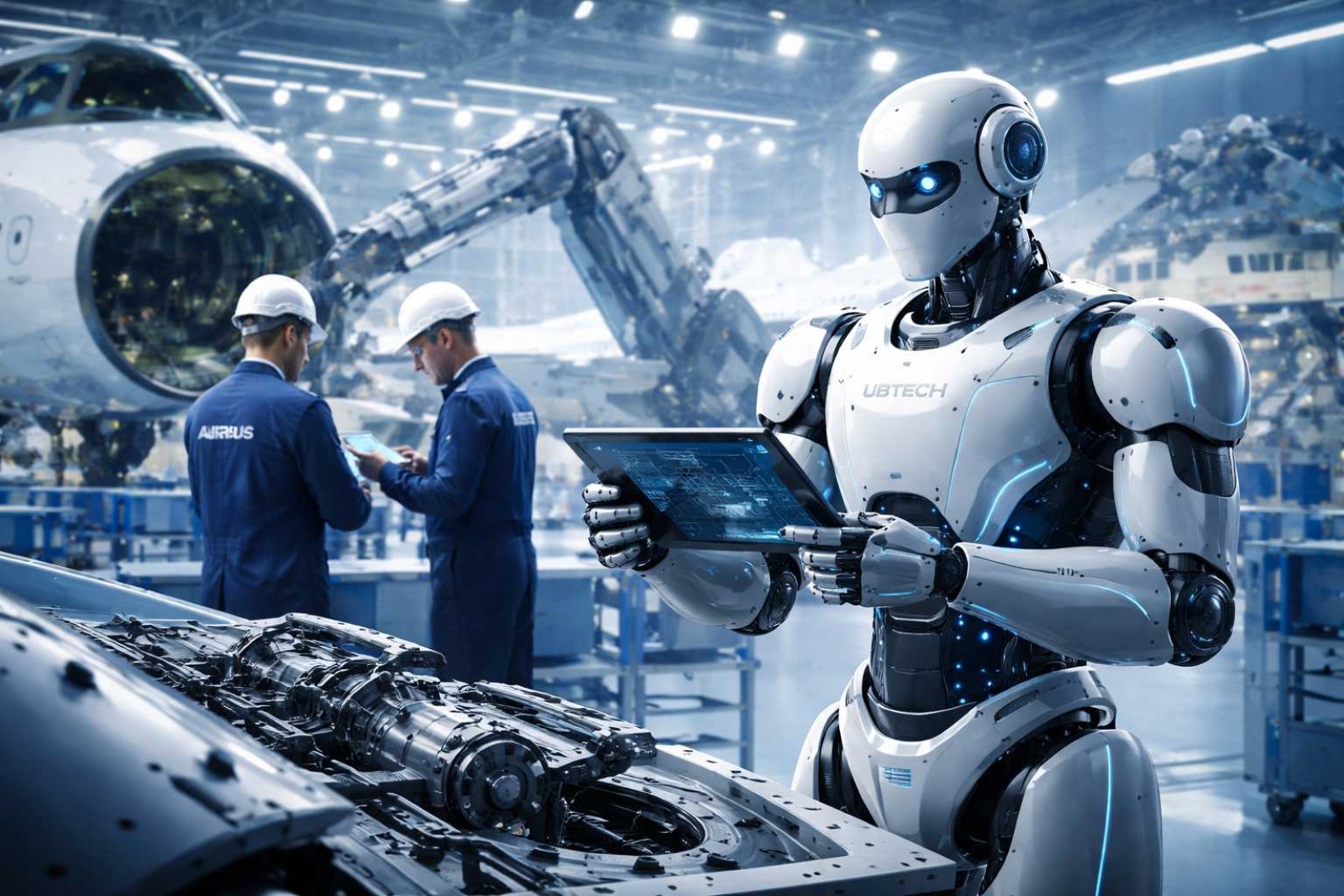
⬤ UBTECH just locked in a major service agreement with Airbus to bring its Walker S2 humanoid robots into aircraft manufacturing plants. The European aerospace giant has purchased the robots for deployment across its production facilities, pushing humanoid automation deeper into high-stakes industrial environments. This isn't just a trial run—it's a real commitment that shows these robots are ready for serious manufacturing work.
⬤ Texas Instruments (TXN) is already running Walker S2 robots on its semiconductor production lines. The chip manufacturer bought the industrial humanoids and is actively testing them in live production. What makes this partnership interesting is that it goes both ways—UBTECH plans to integrate more Texas Instruments components into the Walker S2's core systems. The robot comes with autonomous battery swapping, meaning it can keep working without constant human supervision.
⬤ UBTECH is targeting the Walker S2 at aerospace, automotive, electronics manufacturing, logistics, and semiconductor production. The company pulled in over 1.4 billion yuan in orders for 2025 and shipped 500 units during the year. Production hit a milestone in December when the 1,000th Walker S2 came off the line. Now UBTECH is gearing up to mass-produce 10,000 units this year as it ramps up commercialization.
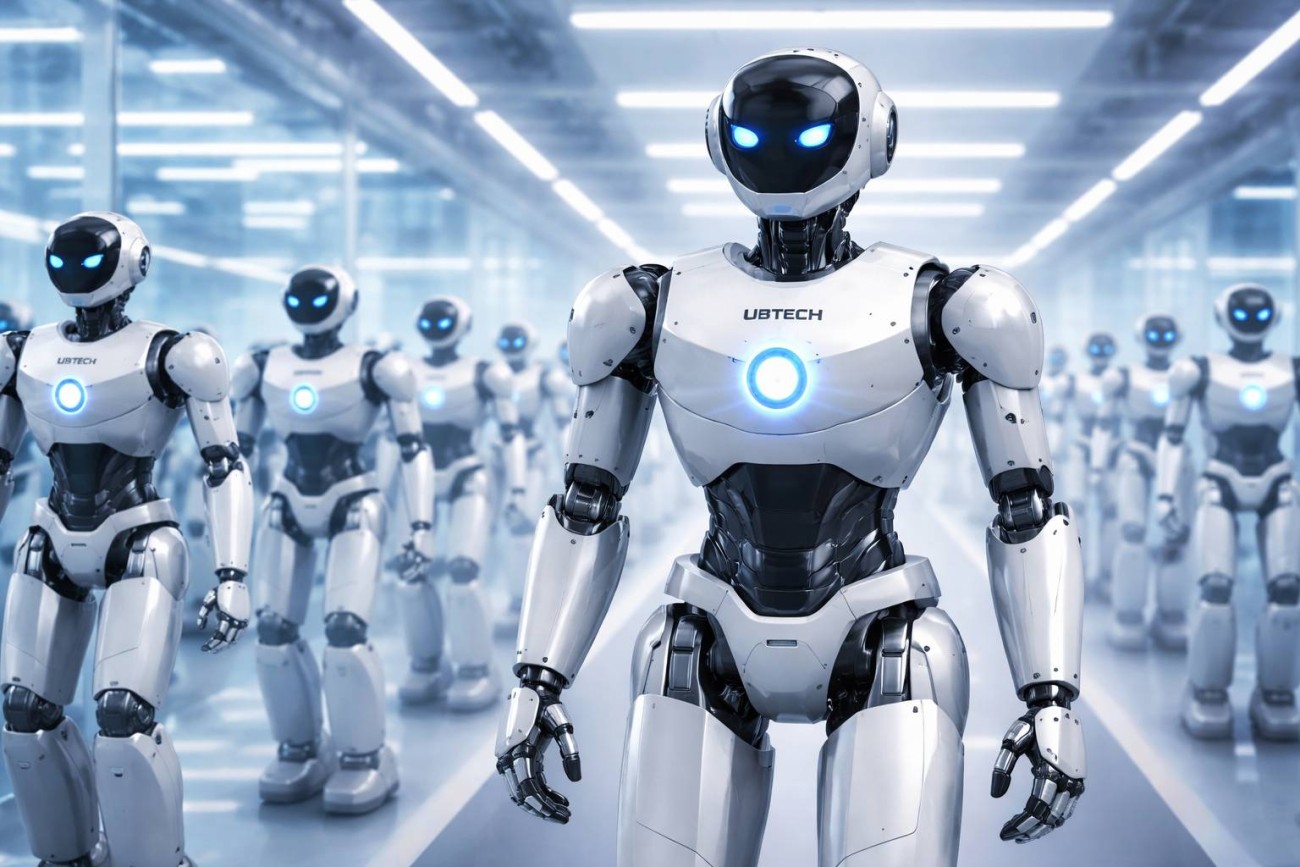
⬤ This matters because humanoid robots are moving from flashy demos to actual factory floors. When companies like Airbus and TXN start buying and deploying these robots, it signals real confidence in the technology. As production scales and more industries adopt humanoid automation, we're likely to see major shifts in how manufacturing works, what that means for labor, and where tech investment dollars flow next.
 Eseandre Mordi



