
 Marina Lyubimova
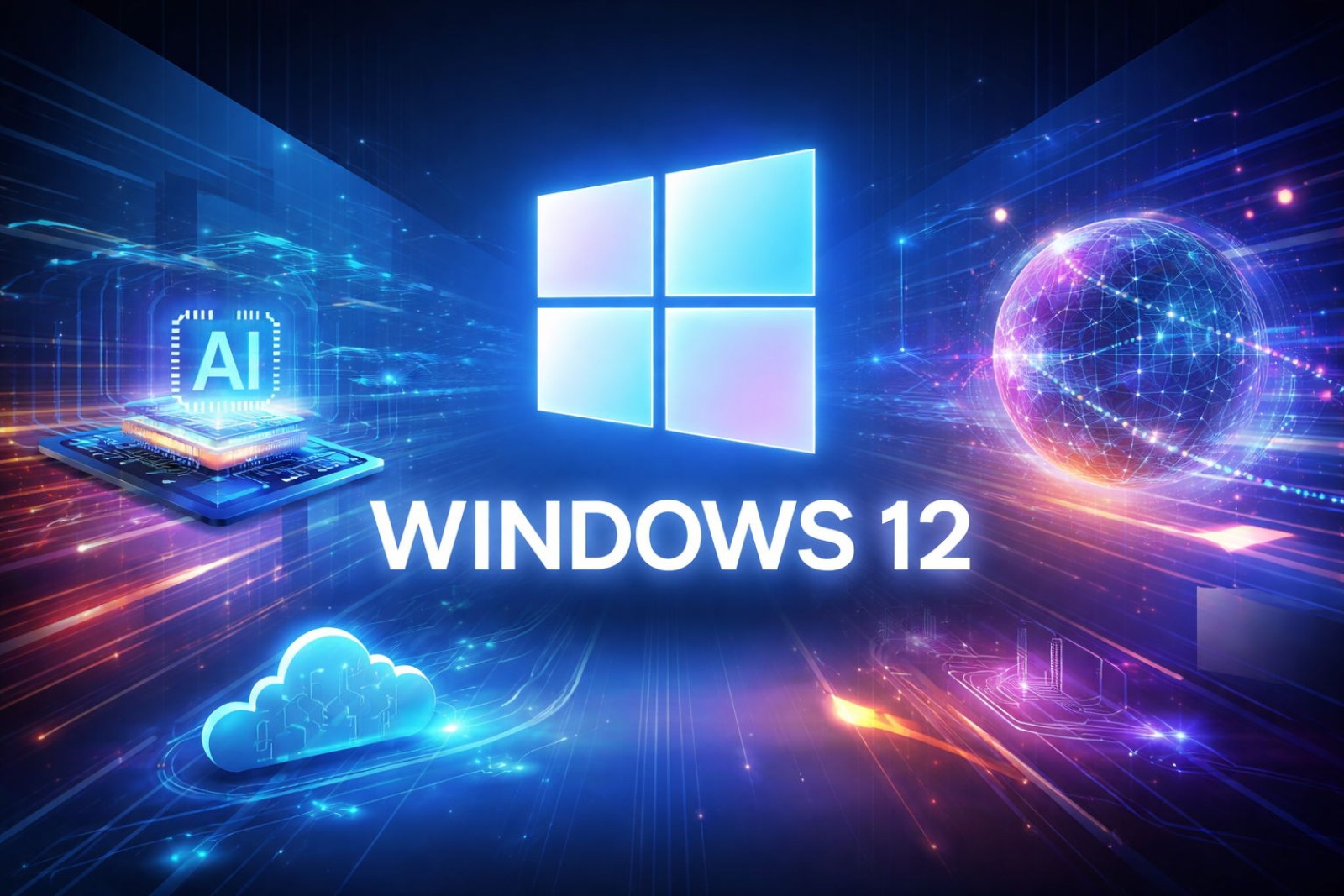
Reports circulating in the tech industry suggest Microsoft may be preparing the next generation of its operating system, widely referred to as Windows 12. The rumored release is expected to put artificial intelligence at the center of the user experience, with Copilot woven into the fabric of the OS rather than sitting on the sideline as an optional tool. Early information points to a modular architecture designed to support AI-focused hardware and cloud services from day one.
Copilot as the Core Interface, Not Just a Feature
As leaker Chubby reported, Windows 12 may embed AI capabilities directly into system-level interactions through Copilot, effectively turning the assistant into the primary way users interact with apps and system functions. Some of the more advanced features could be locked behind subscription tiers, marking a real departure from the traditional one-time OS license. Industry sources have also suggested the next Windows may require specialized AI hardware, specifically NPUs, to run at full capacity.
Copilot would move beyond optional tools and become a core interface for interacting with applications and system functions.
On the design side, concept leaks describe transparent UI layers, softer visual elements, and a floating taskbar layout aimed at modernizing the desktop. The modular architecture would allow Microsoft to push updates to individual system components independently, and tailor experiences across desktops, laptops, and purpose-built AI PCs.
Why This Fits Microsoft's Broader AI Push
The Windows 12 direction tracks closely with where Microsoft has been heading for the past two years. Copilot has already expanded across Windows, Office, and cloud services, and embedding it at the OS level would be the logical next step in that strategy. It would also deepen AI assistance in everyday computing workflows and reinforce Microsoft's position as the software industry pivots hard toward AI.
That ambition shows up across the company's wider portfolio. Microsoft Research Releases UniG2U-Bench Spanning 7 Reasoning Regimes and 30 Subtasks, a benchmark that reflects deep investment in AI evaluation systems. Meanwhile, Microsoft Previews Copilot Tasks, an AI Agent That Runs Over 100-Step Workflows Autonomously, showing how far autonomous AI tooling has already come inside the ecosystem. Add to that Microsoft Releases VibeVoice Open-Source AI Speech Model With 300 ms Response Time, and the picture becomes clear: Windows 12, if real, would land in an ecosystem already moving fast in the same direction.
 Marina Lyubimova



