
 Marina Lyubimova
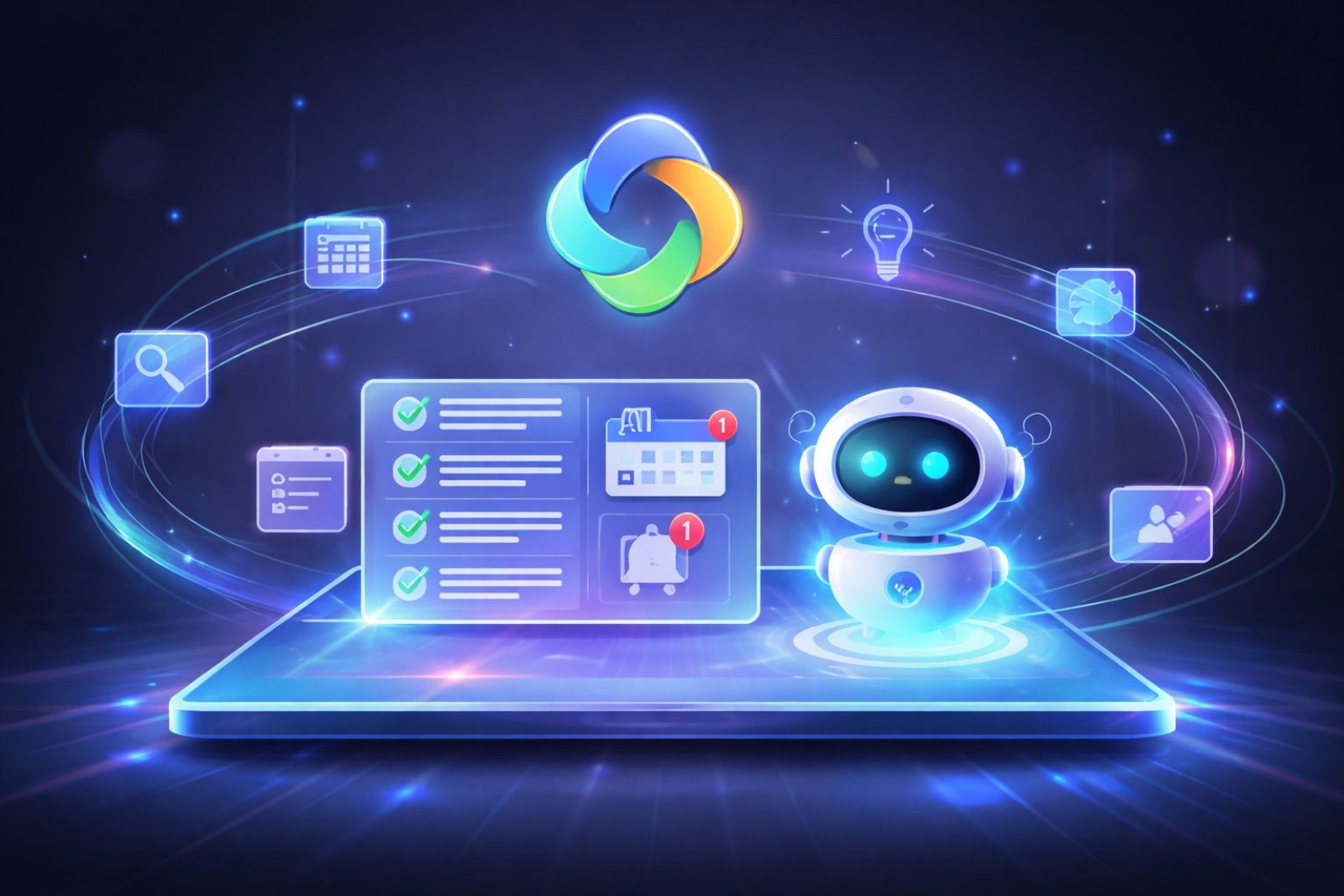
Microsoft just showed off something it calls "a to-do list that completes itself." The company is previewing a new AI agent named Copilot Tasks, and the idea is pretty straightforward: you type what you need done, and the system figures out the steps, runs them in the cloud, and hands you back the results. No babysitting required.
Early testers have been throwing real-world requests at it, things like "cancel unused subscriptions" or "turn recent emails into slides." Copilot Tasks breaks those down into a sequence of actions, handles each one autonomously, and delivers a finished report once the work is done. Access right now is limited to a small early research group, and Microsoft hasn't said when or if it will roll out more broadly.
How Copilot Tasks Fits Into Microsoft's Bigger AI Push
This isn't a standalone experiment. Copilot Tasks slots into a much larger automation strategy Microsoft has been building across its productivity stack. The agent runs entirely in the cloud, interpreting prompts and orchestrating multi-step workflows without requiring the user to stay involved. That kind of hands-off execution is exactly what enterprise customers have been asking for, and Microsoft is clearly betting it can deliver.
By enabling cloud-based task execution from simple prompts, Microsoft signals a genuine shift in how users interact with productivity software.
The preview connects directly to a string of recent moves Microsoft has been making on the AI front. The company recently unveiled Microsoft Launches Agent Lightning and Open-Source Framework, an agent system designed to learn from failure at scale. Separately, Microsoft Research Advances Speech AI with TARS Method, pushing the boundaries of how AI systems handle complex reasoning in audio contexts.
Reliability Challenges and What's at Stake for MSFT
Not everything has gone smoothly. Reports surfaced that Microsoft CEO Takes Over 100 Engineers to Fix Copilot Reliability, a sign that the company is taking quality issues seriously even as it accelerates new launches. Copilot Tasks lands right in the middle of that tension: ambitious enough to move the needle, but still in a cautious early-access phase that gives the team room to catch problems before a wider rollout.
If this kind of autonomous execution becomes a standard feature, it could meaningfully shift how businesses evaluate enterprise AI platforms. Microsoft is not just adding features. It is trying to change the baseline expectation for what productivity software actually does for you.
 Marina Lyubimova



