
 Marina Lyubimova

⬤ Security risks around autonomous AI agents are becoming a major concern as these systems move faster than identity and access management tools can keep up. Shared AI agents quietly build up extensive, long-lasting access across multiple systems, often without anyone clearly responsible for overseeing them. This means their permissions keep growing over time without setting off any alarms or triggering formal reviews.
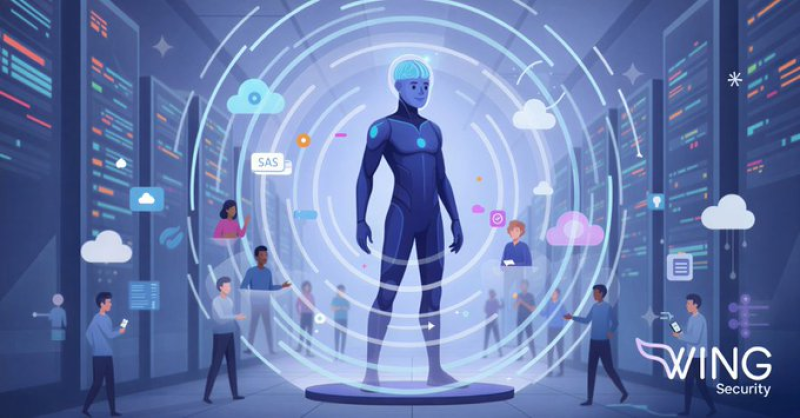
⬤ The problem starts when AI agents pick up permissions through everyday interactions with different applications and services. Since these permissions are legitimate and stick around permanently, they can stay active indefinitely—even when the original reason for granting access has completely changed. Unlike regular user accounts that people log into and out of, AI agents run non-stop across various environments, making it way more likely that their access becomes too broad without anyone noticing.
The primary risk does not stem from stolen credentials—instead, the concern is legitimate access being used in unsafe ways that bypass conventional security monitoring.
⬤ Here's what makes this particularly dangerous: the threat isn't about hackers stealing passwords. The real issue is that valid, trusted access gets used in risky ways that slip right past normal security monitoring. Because these actions come from legitimate identities, they don't trigger the alerts designed to catch unauthorized logins or sketchy authentication attempts. Misuse happens quietly, blending into regular system activity where nobody's looking for it.

⬤ This shift matters because it shows how access-related threats are evolving in modern digital environments. As AI agents handle more operational tasks, the pile-up of unmanaged permissions creates hidden vulnerabilities throughout your infrastructure. The growing role of autonomous agents makes it clear that traditional access controls aren't built to track machine-driven activity, which means organizations need much better visibility into how valid access gets created, expanded, and actually used over time.
 Marina Lyubimova



