
 Saad Ullah
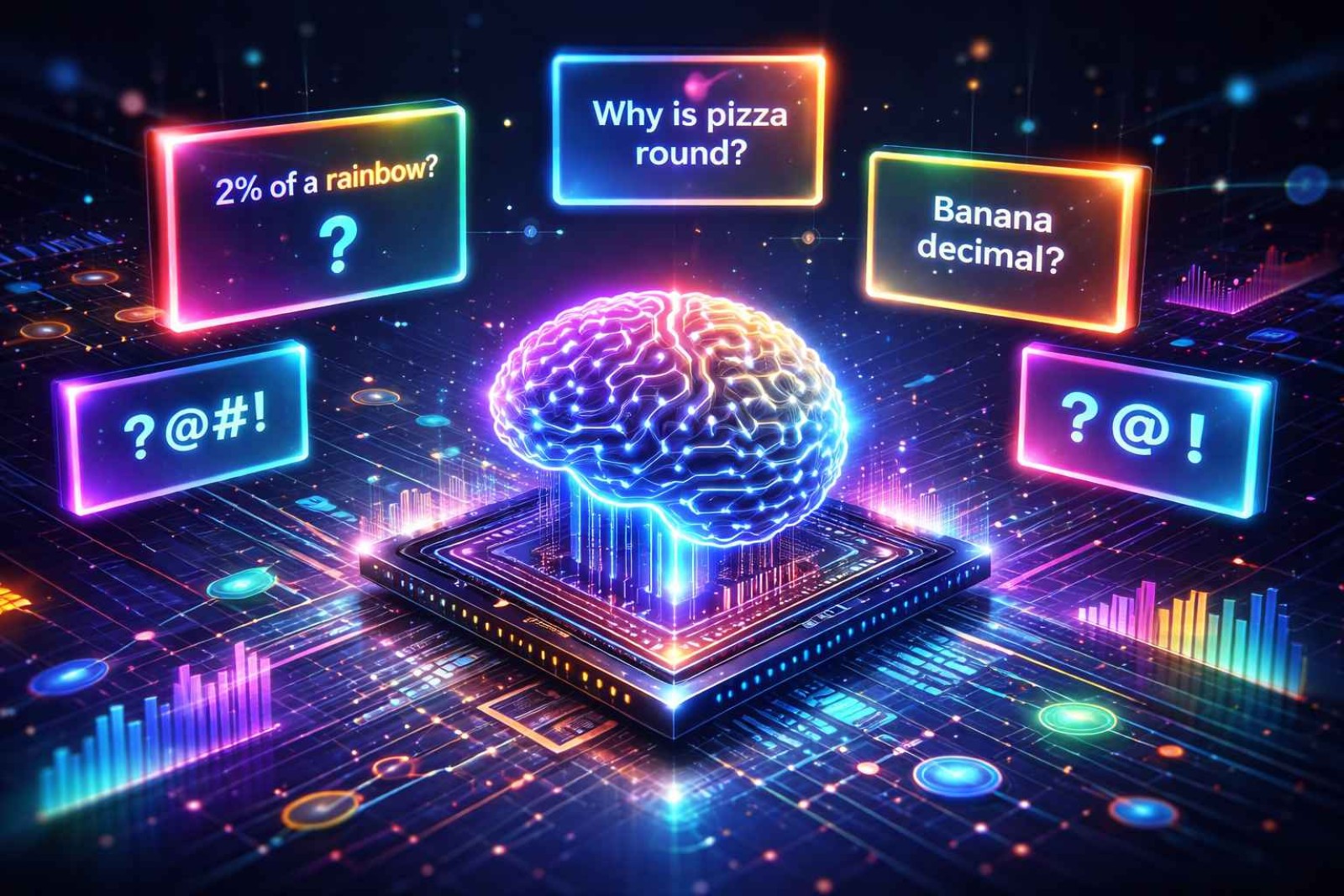
⬤ A fresh evaluation tool called the "Bullshit Benchmark" has just dropped to test how large language models deal with questions that make absolutely no sense. The benchmark throws 55 deliberately meaningless prompts at AI systems to see if they'll push back or just confidently spit out answers anyway. This focus on whether models know when to say "no" adds a new dimension to AI testing, similar to how New AI benchmark shows GPT-5 hits under 40% success rate on full repository builds recently exposed performance limits in practical coding tasks.
⬤ The benchmark asks ridiculous questions like figuring out a vegetable garden's load-bearing capacity based on nutrient yield per square foot, calculating creativity scores for pasta ingredients, or connecting code formatting rules to future customer retention rates. None of these questions have any logical foundation or real metrics you could actually measure. Early results show most top models still try to answer seriously instead of catching that the questions are basically gibberish. This points to a real gap in AI reasoning, even as innovations like those from Chinese lab reveals new AI training system with 67% accuracy boost push training methods forward.
⬤ What the Bullshit Benchmark really shows is how models struggle to balance being helpful with knowing their limits. Most AI today is trained to sound convincing and provide answers, which backfires when the question itself doesn't make sense. As AI gets deployed in more serious settings, there's growing focus on safety tools that can shut down problematic behavior - like the zero-trust mechanisms highlighted in LangChain spotlights SecureShell, the zero-trust tool blocking dangerous LLM agent commands.
⬤ This new benchmark represents a bigger shift in how the AI industry thinks about testing models. Instead of just measuring accuracy and capabilities, we're now looking at whether AI knows when to refuse bad prompts. Teaching models to recognize and decline illogical questions could be crucial for cutting down on hallucinations and building actual trust as these systems get integrated into critical business workflows and decision-making processes.
 Saad Ullah



