
 Victoria Bazir
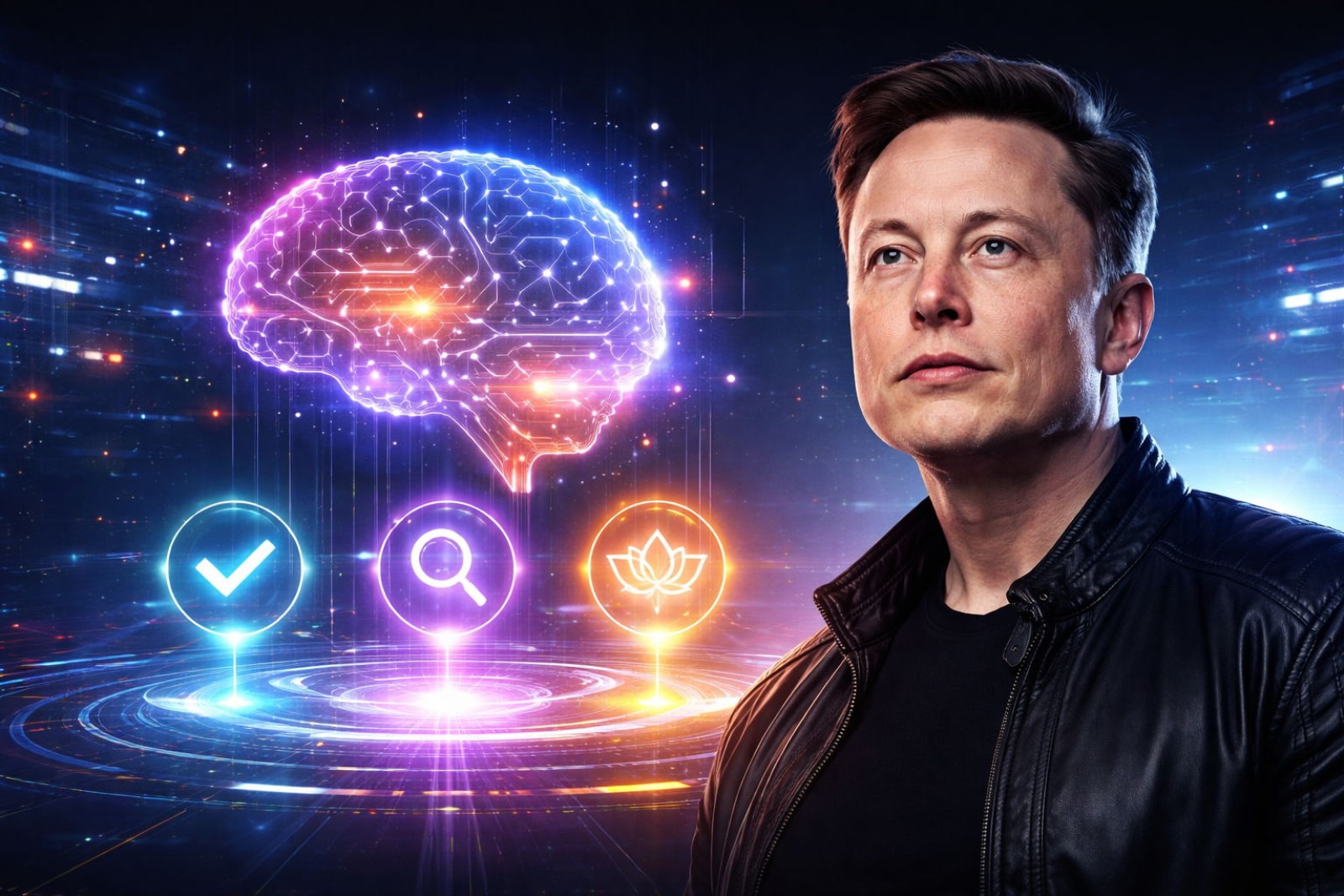
Elon Musk has laid out a philosophical framework for artificial intelligence safety, identifying three core principles he believes should guide AI development. As reported by X Freeze, Musk argued that AI systems built around truth, curiosity, and beauty are far more likely to stay aligned with human interests over time.
If AI systems prioritize truth, curiosity, and beauty, they are more likely to remain aligned with human interests and values.
The remarks reflect a broader, ongoing debate about how advanced AI systems should be designed, governed, and kept in check as they grow more capable. Rather than introducing specific technical safeguards, Musk is framing the conversation around foundational values - arguing that what an AI cares about matters just as much as what it can do.
3 AI Safety Pillars Musk Believes Could Keep AI Aligned
Each of the three principles addresses a distinct risk in AI development.
According to Musk, these are not abstract ideals but practical anchors for building systems that remain constructive and human-friendly:
- Truth - essential for keeping AI grounded in accurate, reality-based information rather than drifting into distorted or manipulated outputs.
- Curiosity - meant to orient AI toward understanding and engaging with humanity, rather than chasing outcomes that are irrelevant or misaligned with human needs.
- Beauty - presented as a way to connect AI outputs with the most positive dimensions of the world, reinforcing meaningful and constructive behavior over time.
Together, these three elements were framed as foundational traits for safe and beneficial AI behavior - a kind of moral compass built into the system's core priorities. Elon Musk on AI Safety: Grok Must Be Maximally Truth-Seeking offers a closer look at how this philosophy is already shaping the design of his own AI model.
A Value-Driven Approach to AI Alignment
The concept fits squarely within Musk's broader stance on artificial intelligence - one where he has repeatedly acknowledged both the enormous potential and the serious risks of rapidly advancing AI systems. While the post stops short of offering implementation details or a technical roadmap, it signals a preference for guiding AI behavior through values rather than rules alone.
Curiosity would drive AI to engage with and better understand humanity rather than focusing on irrelevant outcomes.
Why Multi-Agent AI Systems With Specialized Roles Are Outperforming Single Models explores a related dimension of how architectural choices shape AI performance and alignment.
Why Musk's AI Safety Principles Matter for Future Development
The emphasis on these three pillars points to a broader shift in how discussions around AI safety are evolving - moving from purely technical constraints toward conversations about the values and dispositions built into AI systems from the ground up. As AI becomes more deeply integrated into everyday applications, the principles it operates by could have an outsized effect on how those systems behave at scale and over the long term.
How these ideas translate into engineering practice remains an open question - but the fact that a figure like Musk is publicly framing AI safety in these terms suggests the debate is moving well beyond firewall-style restrictions. Elon Musk Targets a 4000x Drop in Space Launch Costs to $10-20/kg covers another frontier where Musk's ambitions are redefining what's technically achievable.
 Victoria Bazir



