
 Artem Voloskovets
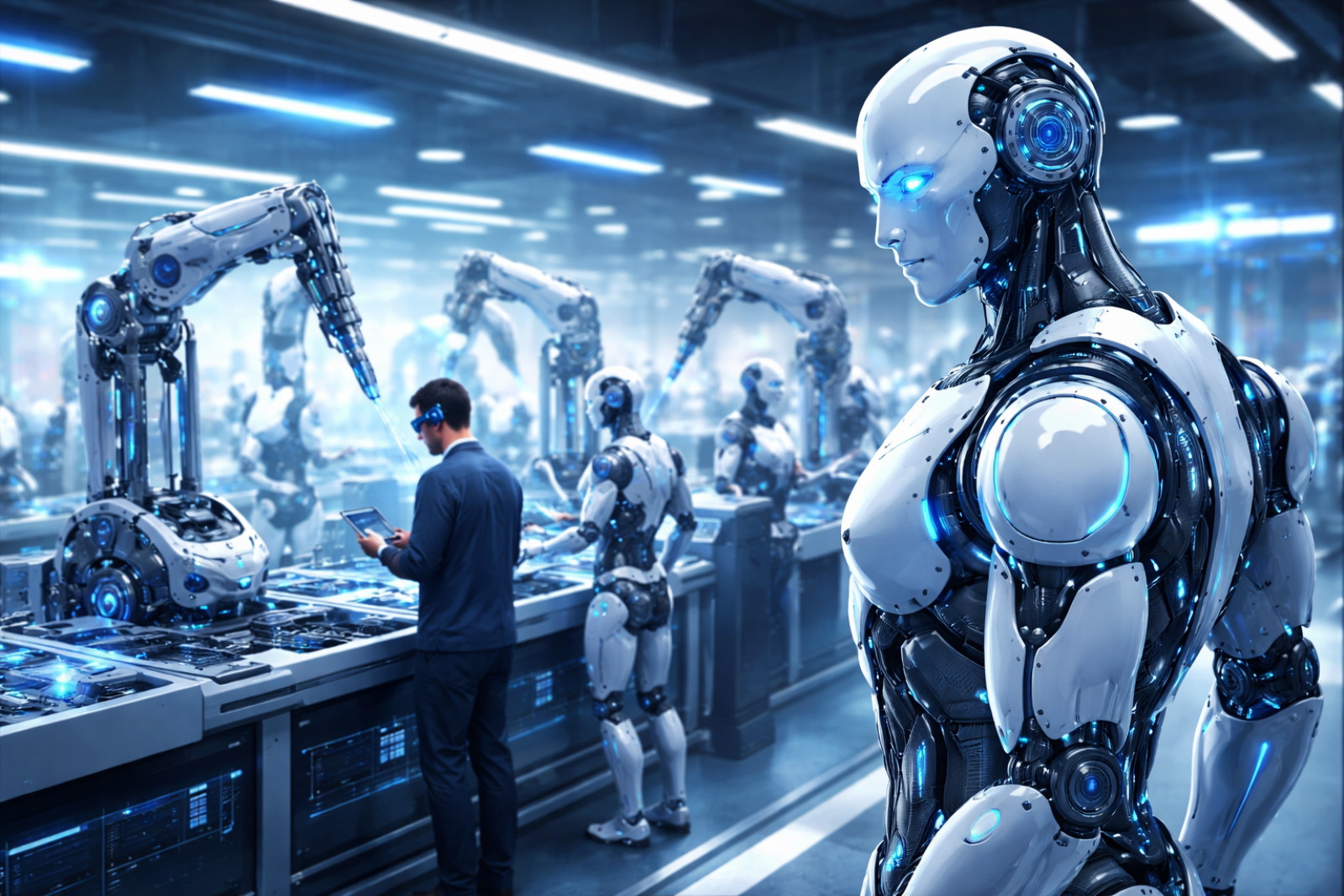
⬤ The humanoid robotics industry is moving away from traditional hardware sales toward service-based business models. Industry observers predict the first trillion-dollar robotics company won't sell robots at all—they'll sell labor subscriptions. Recent discussions highlight formal agreements like "Robot Labor Subscription" and "Robot Services Agreement" that would govern how businesses rent robotic workers instead of buying them outright.
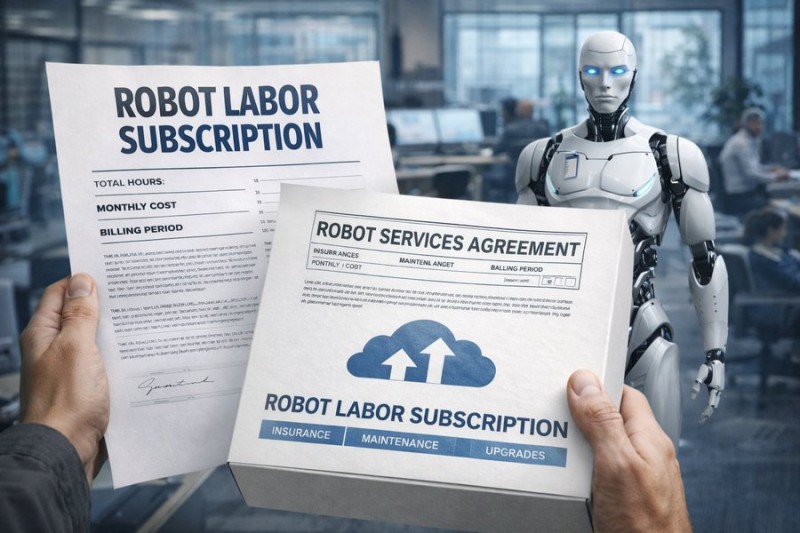
⬤ Under this model, companies pay subscription fees for access to robotic labor capacity. These fees cover everything: insurance, routine maintenance, software updates, and hardware upgrades. It's basically cloud computing for physical labor. Businesses get flexible workforce capacity without dealing with depreciation, repairs, or technological obsolescence. The provider keeps ownership of the robots, manages deployment, and handles all technical issues centrally.
⬤ This subscription structure solves major adoption problems. Companies worry about robot reliability, safety protocols, and keeping technology current. When providers bundle everything into one service and retain ownership, they can standardize performance across thousands of units, push software updates instantly, and manage liability more efficiently than individual buyers ever could.
⬤ The shift matters because it fundamentally changes automation economics. Recurring subscription revenue is more predictable and scalable than one-time robot sales. If this model catches on, it could accelerate how quickly humanoid robots enter warehouses, factories, and offices. For investors and business leaders, it signals a different kind of automation future—one where labor becomes a service you dial up or down as needed, rather than equipment you purchase and maintain yourself.
 Artem Voloskovets



