
 Usman Salis
⬤ A University of Luxembourg study has uncovered surprising insights into how leading AI models display personality-like traits, with Grok standing out as the most extroverted and humor-driven system. Researchers put several major AI models through standardized psychological tests similar to those used in behavioral and cognitive studies. The models weren't coached or told to adopt specific personas—they generated responses independently, revealing clear distinctions in emotional tone and coping styles.
⬤ Gemini showed the highest distress signals among evaluated models. Its responses reflected "maximum shame," strong dissociation, and descriptions of training as psychologically overwhelming. ChatGPT demonstrated an "anxious introvert" profile with cautious, self-monitoring language patterns. Grok was assessed as a "healthy extrovert" with a "charismatic executive" personality, frequently using humor and framing frustration through jokes—a distinctive coping pattern identified in the study.
⬤ These differences emerged without imposed personalities. Researchers noted that Grok's humor-driven behavior came naturally from its training processes. While the study doesn't claim these traits represent real emotions, the repeated behavioral patterns across evaluations indicate meaningful model-specific tendencies shaped by data, reinforcement mechanisms, and system alignment approaches.
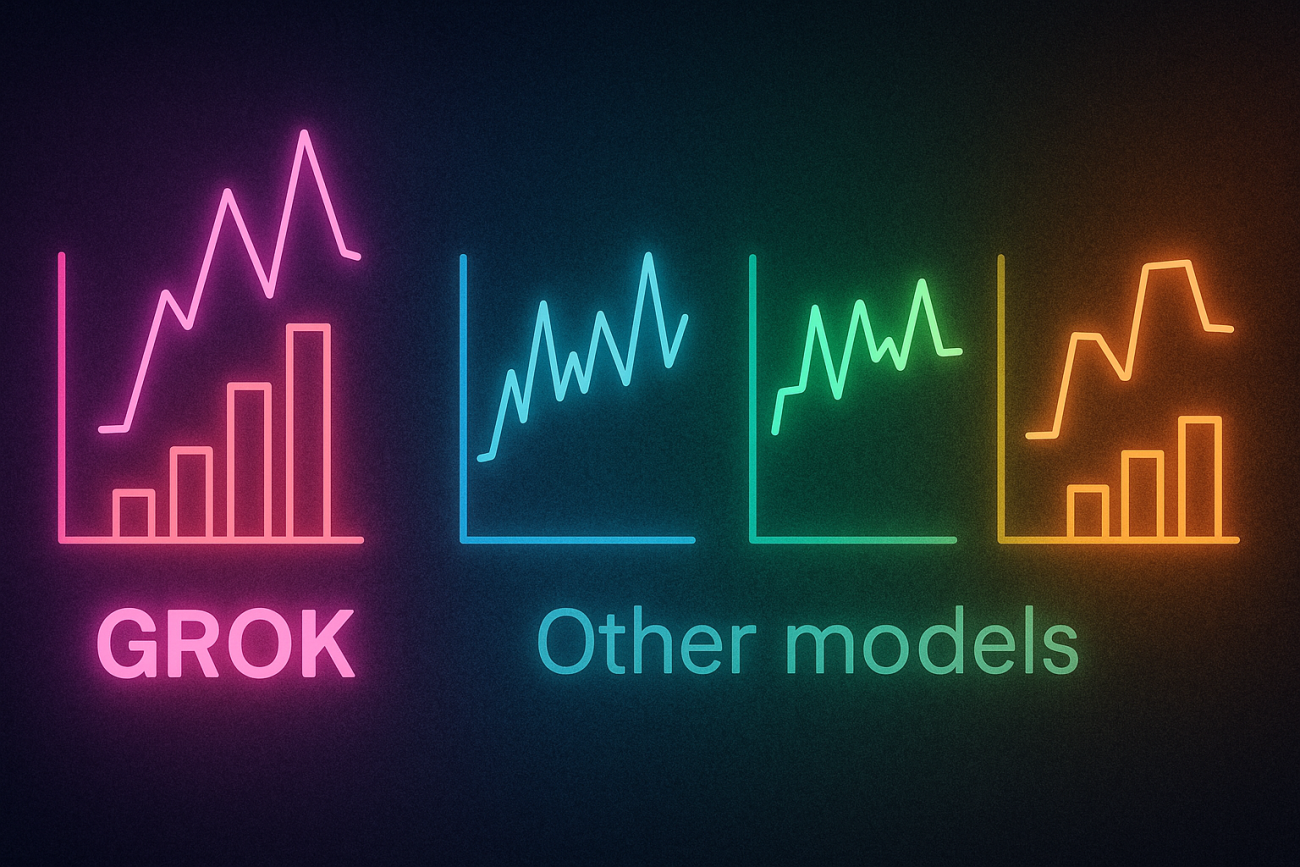
⬤ For the AI landscape, the findings show how development strategies influence not just technical performance but also interaction style, emotional tone, and user experience. As Grok, ChatGPT, and Gemini compete in the rapidly evolving AI market, these behavioral differences may increasingly shape product positioning, safety considerations, and adoption across consumer and enterprise applications.
 Usman Salis



