
 Victoria Bazir
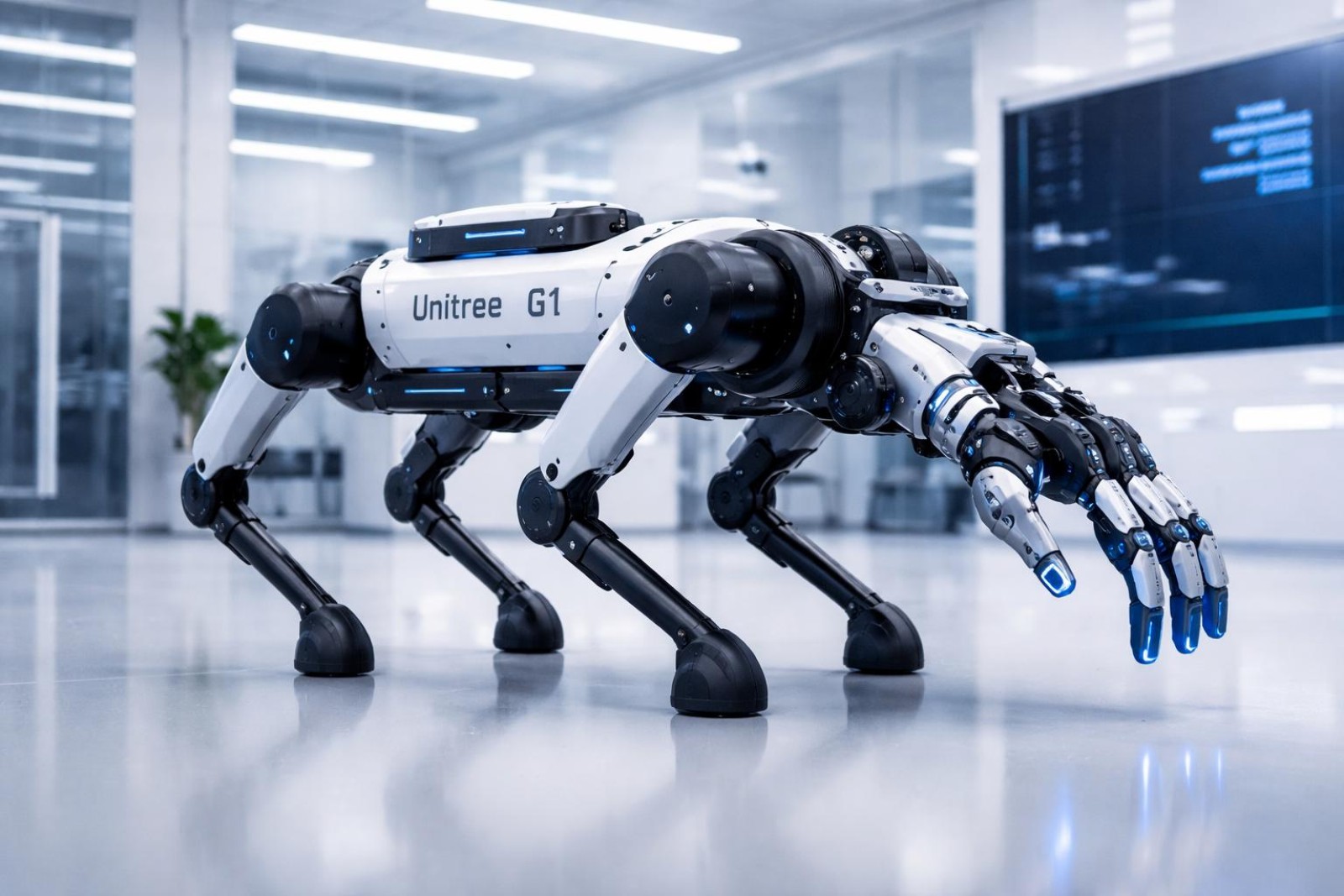
China Southern Power Grid just took a notable step in its automation push, running a live demo of its upgraded Unitree G1 robot handling daily power equipment inspection and operation tasks. The robot is designed to reduce the risks that typically fall on workers doing manual inspections and shift labor across energy infrastructure.
The star of the demo is the BrainCo Revo2 hybrid hand - a human-inspired attachment that gives the G1 far more dexterous control than standard grippers allow. Instead of clunky, limited movements, the system can engage with hardware and control interfaces in a way that actually mirrors how a technician would work. It's a meaningful upgrade, and it shows how far humanoid robotics has come from novelty showcases. The Unitree G1 has been making waves across industrial testing for exactly this reason - the platform is proving it can do real work, not just viral dance clips.
AI Perception Is the Engine Behind It All
Hardware alone doesn't make a robot useful in complex environments. The G1's performance in the field depends heavily on AI-driven scene understanding - knowing what it's looking at, what needs to happen next, and how to respond to unexpected changes.
Recent progress here has been dramatic: a new AI model has boosted robot intelligence by 716% in scene understanding, which directly translates to better decision-making during live inspection tasks.
Real-Time Manipulation Is Now a Practical Reality
Beyond perception, the ability to handle objects reliably in real time has been a long-standing bottleneck for industrial robots. That's changing fast - AI robotics breakthroughs like DynamicVLA are enabling real-time object manipulation that makes deployments like this one genuinely viable at scale.
For utilities like China Southern Power Grid, the payoff is clear: fewer workers in high-risk environments, more consistent inspection coverage, and a platform that can be refined over time as the AI improves. The G1 demo isn't just a proof of concept - it's a signal that humanoid robots are moving into critical infrastructure for good.
 Victoria Bazir



