Eseandre Mordi
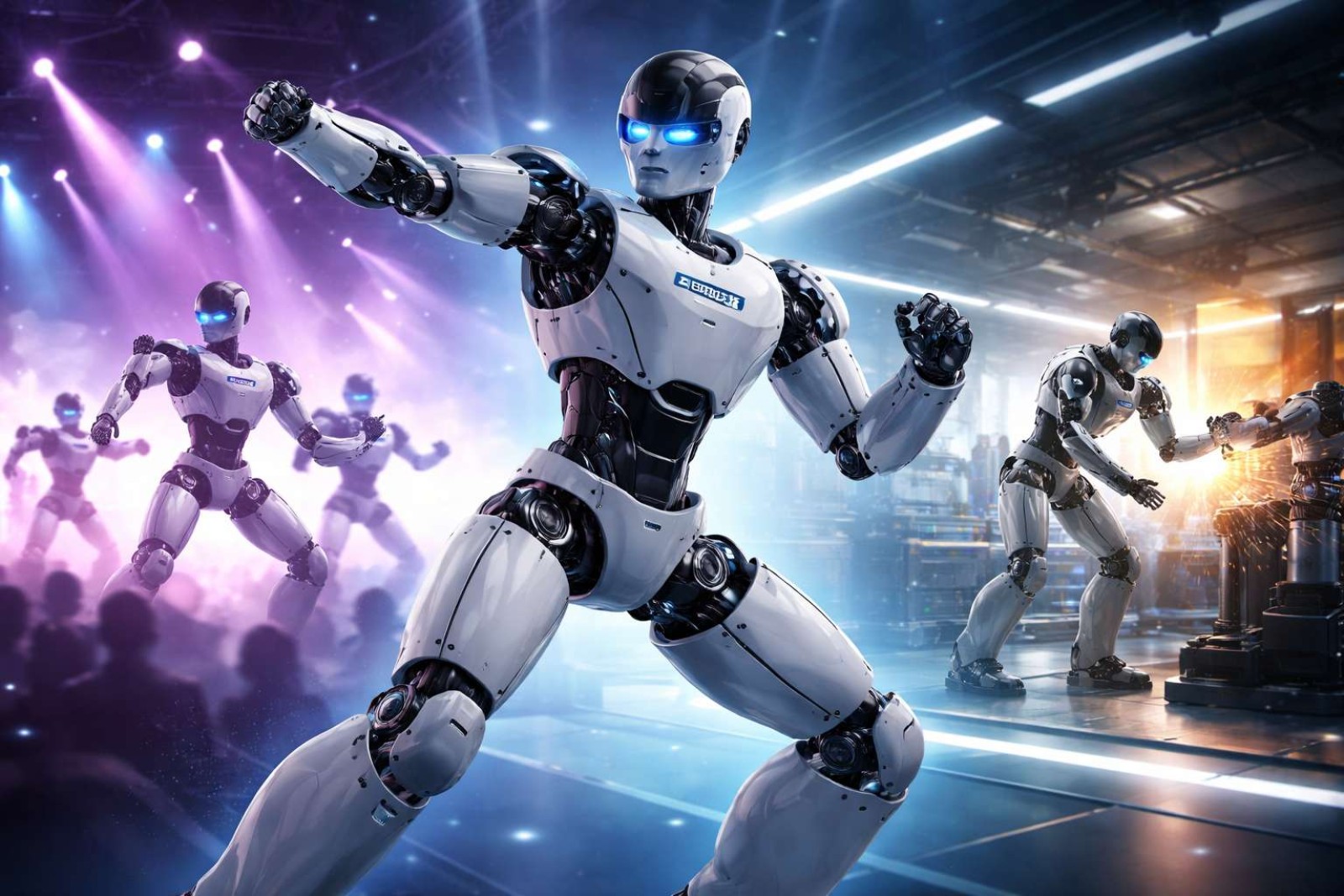
⬤ Unitree's G1 humanoid robot recently went viral after performing with Chinese singer Wang Leehom, catching even Elon Musk's attention. While some dismiss entertainment uses as gimmicky, these performances actually represent one of the most practical short-term revenue opportunities for humanoid robots. Live entertainment and audience engagement are proving to be genuine commercial use cases that help fund further development.
⬤ What makes the G1 stand out is its modular software approach. The robot can run multiple dance choreographies developed by third-party creators rather than being locked into factory-programmed routines. Unitree provides the open hardware platform and an app store where developers can eventually sell downloadable dance models. Users can install new performances without touching the hardware, similar to downloading apps on a smartphone.
⬤ This creates a self-sustaining business model. Developers spot market opportunities in entertainment, comedy acts, or interactive shows, then build compatible software for the G1. Companies looking to deploy these applications buy or lease robots in bulk from Unitree, generating steady hardware demand. But entertainment isn't the only focus. The G1 is already being tested for power line inspections by Hangzhou State Grid Corporation and home assistance tasks by Shenzhen's MindOn, proving the platform works for serious applications too.
⬤ While dance performances speed up public acceptance and generate buzz, the real value of humanoid robots lies in handling dangerous or physically demanding work humans want to avoid. Entertainment is just the entry point, not the final destination. The development echoes Elon Musk's vision of robotic limbs eventually serving as neural-controlled prosthetics. Unitree's G1 shows how commercial entertainment applications and practical testing can happen simultaneously, gradually moving humanoid robots from novelty to necessity.
 Eseandre Mordi