
 Marina Lyubimova
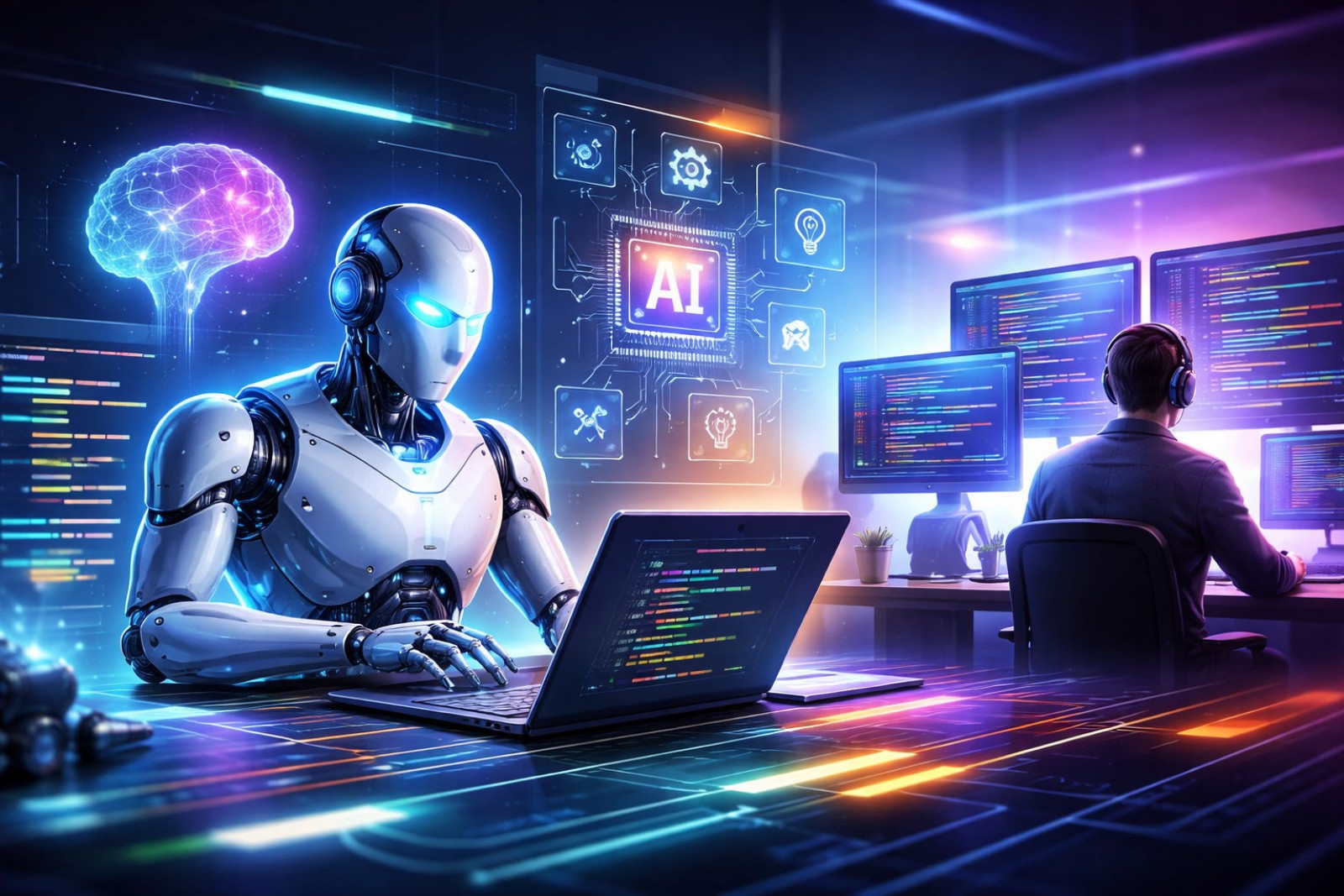
⬤ A software development discussion emerged after Vincent Van Code described completing two minimum viable products using coordinated AI agents in roughly 30 hours. The developer outlined running eight agents across multiple screens simultaneously and referred to the approach as "agentic programming."
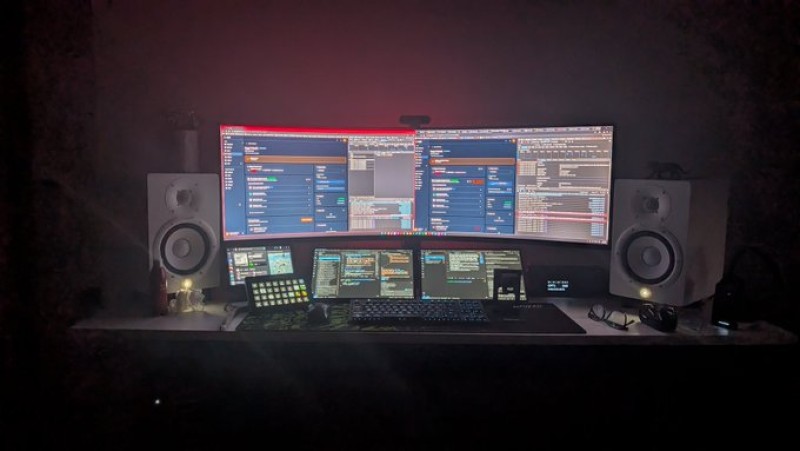
⬤ The programmer, who's been coding for 35 years across multiple languages, compared this workflow with his earlier AI experiences like manually running early GPT models. He described a fundamental shift from AI acting as a suggestion tool toward systems that actually execute structured tasks under human supervision. His experience reflects broader experimentation around AI-assisted development workflows where developers orchestrate agents instead of writing every component manually.
This isn't about replacing programming—it's about fundamentally changing how we perform it.
⬤ The post also tackled criticism of so-called "vibe coding," with the developer arguing that automated assistance doesn't replace programming but transforms it. He characterized modern tools as capable of coordinating feature implementation across entire projects and noted the rapid progress over the past decade. This aligns with ongoing conversations about multi-agent coding systems and how developers are reshaping their creation processes.
⬤ The comments show growing interest in agentic programming tools and their impact on development practices. As workflows evolve toward supervision and orchestration, developers are shifting from manual implementation toward directing automated systems—a change that's reshaping software production methods.
 Marina Lyubimova



