
 Artem Voloskovets
⬤ Apple analyst Ming-Chi Kuo recently dropped some interesting insights on a podcast about Apple's AI troubles and why they've decided to work with Google. According to Kuo, Apple's dealing with two major headaches right now: they need to nail their AI presentation at the upcoming WWDC after previous disappointments, and users' expectations for cloud AI have shot through the roof. The reality is that Siri and Apple Intelligence just aren't cutting it anymore, which is why Apple felt they had no choice but to bring Google into the picture.
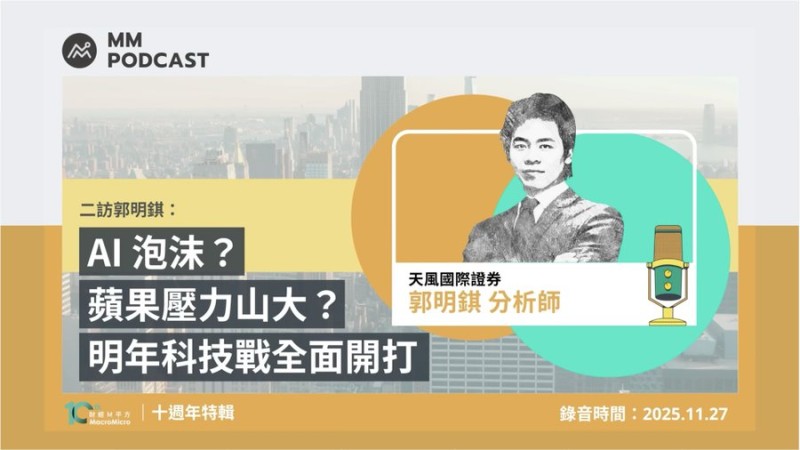
⬤ The Google partnership basically gives Apple some breathing room, especially when it comes to delivering powerful AI features directly on devices. Kuo points out that while on-device AI probably won't immediately drive people to buy new iPhones, this move is crucial for Apple to stay in the game. But here's the thing - as AI becomes more important to Apple's hardware and software, the company knows it needs to take back control of its AI tech, especially with competitors like Google and Tesla breathing down their neck.
⬤ Kuo makes an interesting comparison with Tesla's self-driving technology. Tesla's FSD is basically what keeps them ahead of everyone else - without their own AI algorithms, they wouldn't be worth nearly as much. Apple's in the same boat. If they want to stay competitive in an AI-driven world, they can't rely on other companies' tech forever.
⬤ Looking ahead, Apple's got big plans for building their own AI infrastructure. Kuo predicts they'll start making their own AI server chips in late 2026, with data centers going live by 2027. That's when we should see a real shift in what Apple can do with AI, and they're betting big that on-device AI demand will keep growing as they work on catching up in this space.
 Artem Voloskovets



