
 Usman Salis
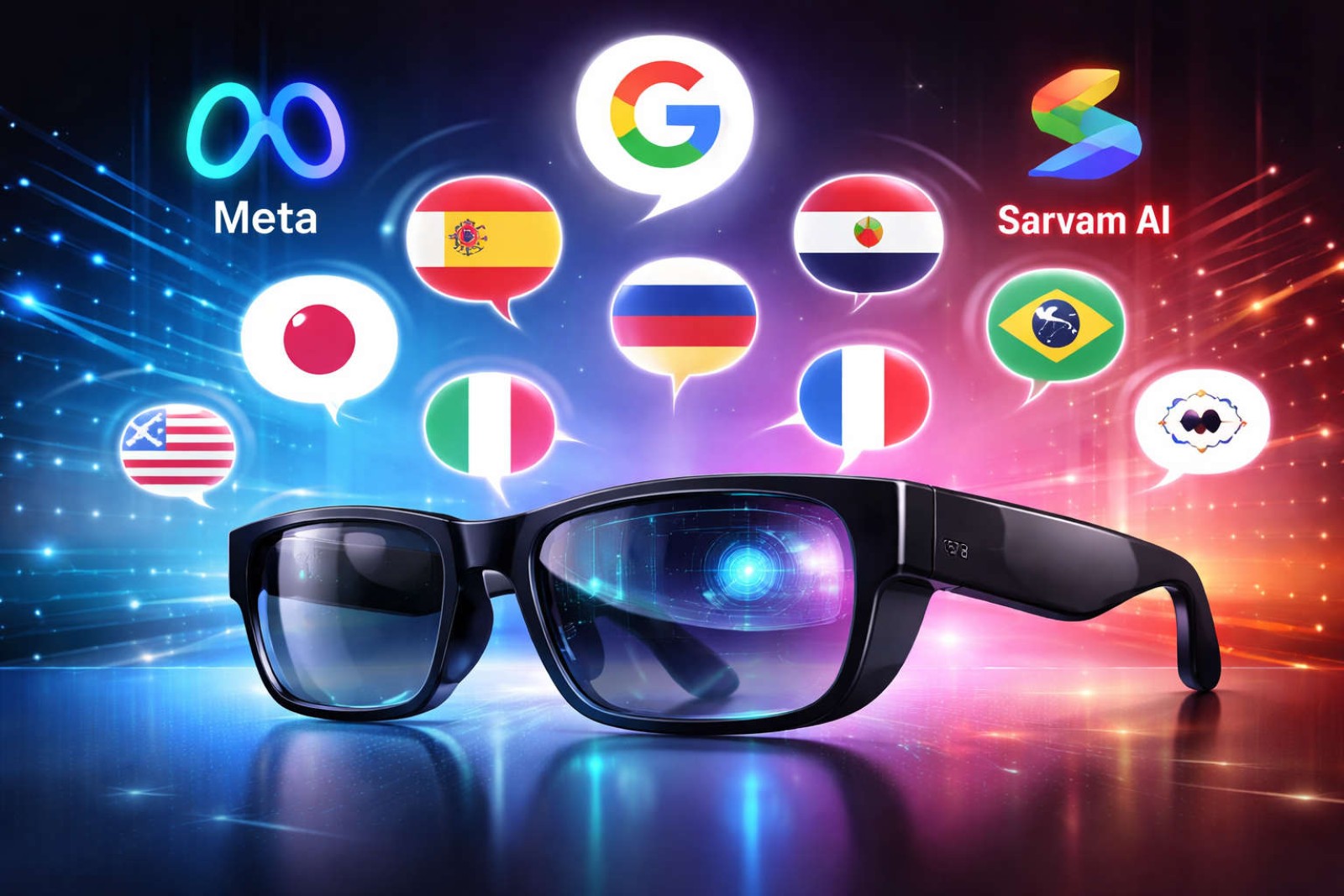
India's tech scene just got a major boost as homegrown startup Sarvam AI steps into the competitive smart glasses arena. With offline capabilities and multilingual support, these new wearables are making waves in a market currently dominated by tech giants like Meta and Google.
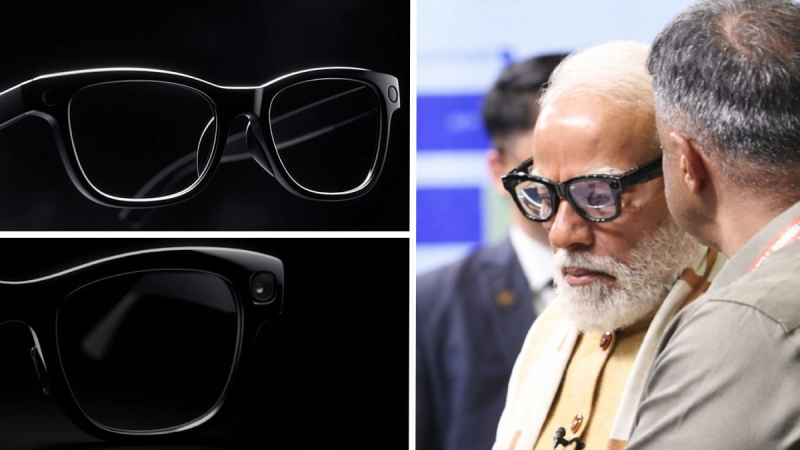
Indian Startup Enters Global Smart Glasses Market
Indian startup Sarvam AI has introduced its first AI smart glasses, marking a significant entry into the global wearable technology market. The device caught public attention when India's Prime Minister tested it at Bharat Mandapam during a live demonstration, showcasing the country's growing prowess in AI hardware development.
What sets these glasses apart is their Edge AI technology, which means they can work without needing an internet connection. This offline processing approach allows the device to run locally rather than depending on cloud-based computation, addressing privacy concerns and connectivity issues that often plague smart wearables.
10+ Indian Languages and Offline AI Processing
The Sarvam AI smart glasses can speak in more than ten Indian languages, making them particularly relevant for the diverse linguistic landscape of the region. This multilingual capability combined with local processing positions the product as a genuinely domestically developed AI hardware solution built entirely in India.
The offline processing approach allows the device to run locally rather than relying on cloud-based computation.
The announcement puts Sarvam AI in direct competition with major technology companies developing AI wearables, including Google and Meta. As more companies introduce AI-enabled consumer devices, the smart glasses segment is heating up with fresh competition from unexpected players.
Edge AI Wearables Signal Market Shift
The introduction of locally processed AI wearables reflects a broader shift toward embedding artificial intelligence directly into hardware products. Rather than sending data to remote servers for processing, these devices handle everything on-device, which offers faster response times and better privacy protection.
The expansion of Edge AI devices signals growing activity in the wearable AI market as new entrants begin competing with established global technology firms. For consumers, this competition could mean more choices, better features, and potentially lower prices as companies fight for market share.
With India pushing hard to establish itself as an AI innovation hub, products like these smart glasses represent more than just new gadgets—they're a statement about the country's technological ambitions on the world stage.
 Usman Salis



