
 Saad Ullah
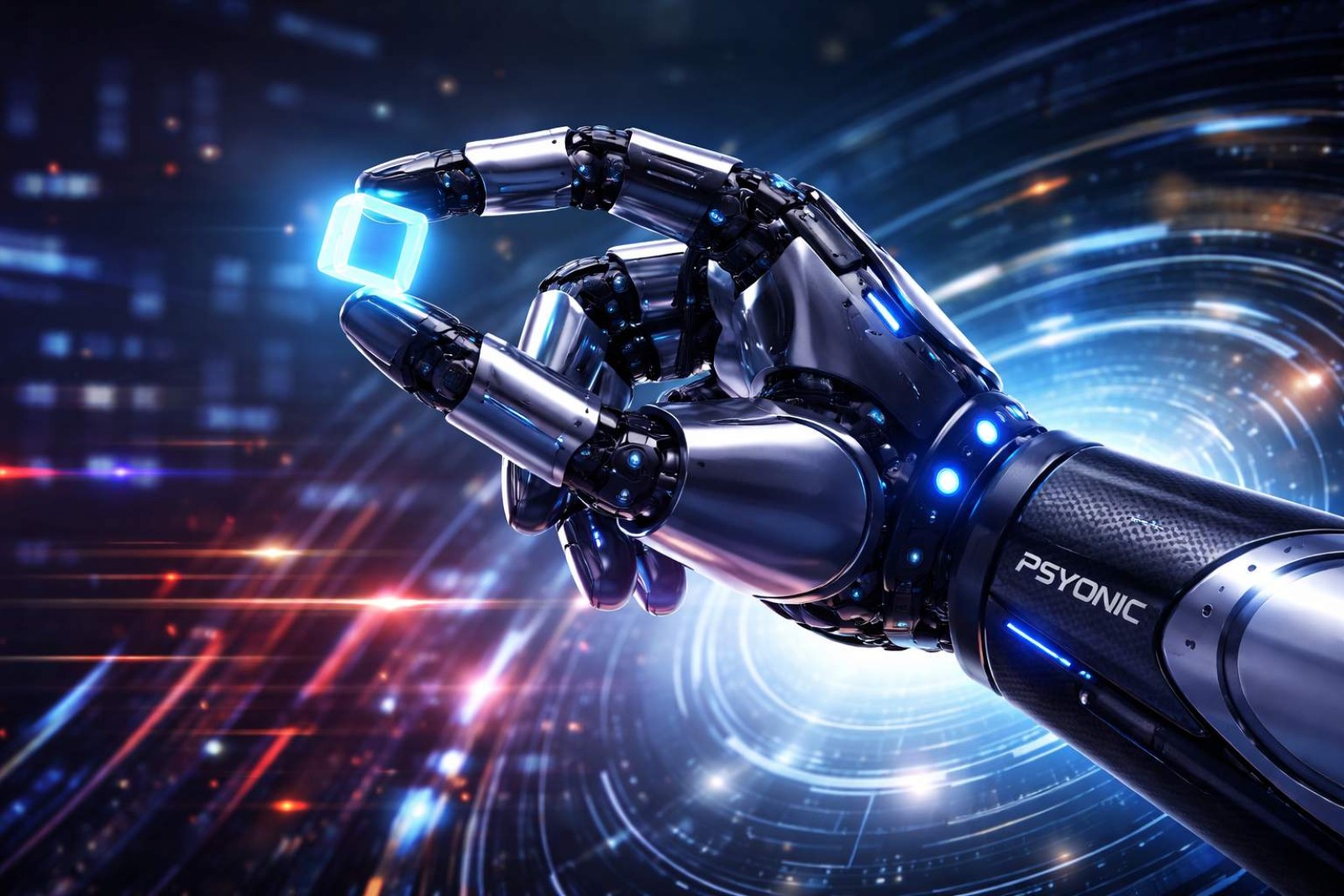
⬤ PSYONIC's Ability Hand is gaining recognition as a robotic system built to recreate complex hand movements through sophisticated control mechanisms. The technology bridges human brain signals with robotic precision, showing just how close machines are getting to replicating natural biological movement. This pairing of cognitive intent and mechanical execution represents where robotics currently stands and where it's headed next.
⬤ Fine motor control has always been one of the toughest challenges in robotics and prosthetics. Getting coordinated finger movements, precise grips, and adaptive responses right demands seamless integration between hardware and control software. The Ability Hand tackles this head-on by translating detailed neural signals into smooth physical actions, pushing robotic hands beyond basic tools into something that feels genuinely responsive and intuitive.
⬤ This fits into wider momentum across AI-powered robotics, where better sensors, smarter algorithms, and machine learning are letting robots handle tasks requiring real finesse. The Ability Hand demonstrates that robotic components can now restore or even match motor skills previously exclusive to humans. Its applications stretch from assistive tech helping people regain function to humanoid robots working in settings where precision matters most.
⬤ Why this matters: better robotic motor skills will directly influence how quickly intelligent machines get adopted across industries. More capable hands mean robotics can play bigger roles in healthcare, rehabilitation, manufacturing, and automation. As systems like the Ability Hand keep improving, the gap between what humans can do and what machines can execute keeps shrinking—reshaping expectations around robotics and AI as core forces driving tech forward.
 Saad Ullah



