
 Victoria Bazir
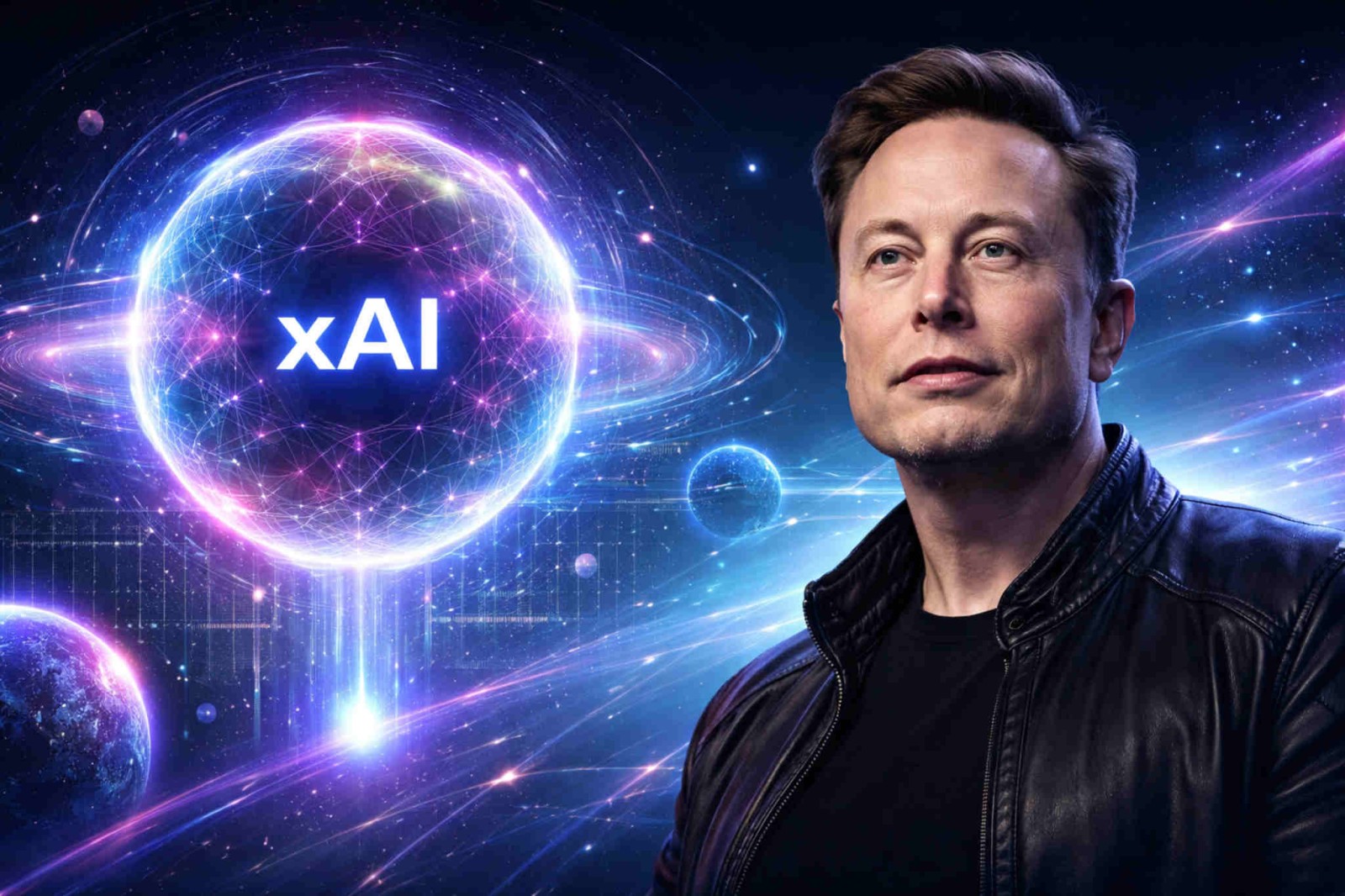
Most AI companies talk about productivity. Elon Musk is talking about the universe. In a recent statement, the xAI founder outlined why Grok exists and what separates it from every other large language model on the market. The answer has less to do with features and more to do with philosophy.
Grok's Mission: Truth Over Convenience
According to Musk, Grok was built to be a maximally truth-seeking AI, one designed to explore foundational questions like how the universe began, how it might end, and whether intelligent life exists beyond Earth. The project is driven by curiosity rather than commercial optimization.
That distinction matters. Most AI systems are tuned to give users what they want to hear. Grok, Musk says, is built to tell users what is actually true, even when that conflicts with socially accepted views.
Without strict adherence to objective reasoning, artificial intelligence will produce distorted conclusions.
This philosophy shapes the model's technical direction. Rather than optimizing for helpfulness in the traditional sense, xAI is focused on eliminating bias and minimizing what Musk describes as "delusion" in AI outputs. The scale of that ambition is reflected in the infrastructure behind it, detailed in xAI Grok Code Targets 1M H100 Training Scale.
A Research Tool, Not Just an Assistant
Musk's framing positions Grok as a scientific exploration platform rather than a conventional chatbot. Where most AI assistants are built around interaction, Grok is built around explanation and understanding. The ethical dimension of that approach is explored further in Elon Musk: xAI's Grok Built to Steer AI's Ethical Path, which describes the system as one that prioritizes truth discovery over conformity.
Whether Grok can live up to that vision remains an open question. But the direction is clear: xAI is betting that the most valuable AI won't be the one that's easiest to talk to. It'll be the one that's closest to right.
 Victoria Bazir



