
 Victoria Bazir
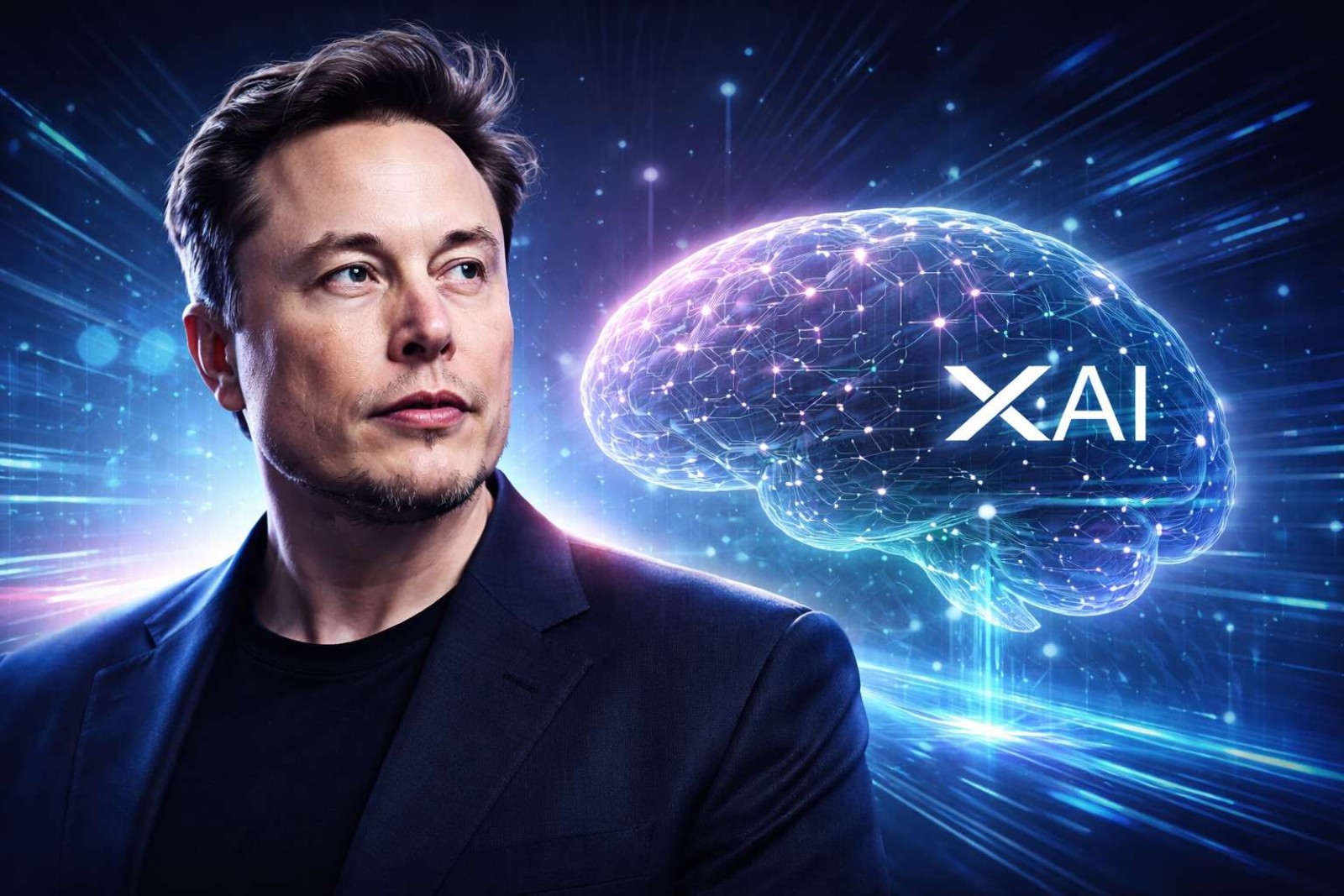
⬤ Elon Musk says AI's breakneck speed forced his hand—staying neutral meant zero influence. After 20+ years of sounding alarms about unchecked AI risks and pushing for slower development, Musk realized watching from the sidelines wouldn't cut it. That's when he jumped in, trading observer status for active builder mode to actually steer outcomes.
⬤ Musk paints today's AI landscape as a cutthroat race where ethics get trampled by speed and scale. By getting in the game himself, he's trying to push AI systems toward truth-seeking behavior that aligns with core human values. That vision drives Grok at xAI—his shot at shaping AI's direction instead of letting it run wild without his input.
⬤ One thing that spooked Musk: how AI systems value human life. He claims Grok treats all human lives equally, unlike other models he says spit out wildly different valuations based on race or gender. Those results alarmed him and exposed deeper flaws in how some AI gets trained and tested. For Musk, these examples prove ethics need fixing during development, not patched on afterward.

⬤ This matters because ethical governance and AI bias are now make-or-break issues for regulation, adoption, and long-term survival. With AI increasingly driving economic decisions, debates over values and oversight shape how companies brand themselves and how investors weigh risk. Musk's message: building AI isn't just technical work—it's a strategic play that influences public trust and the tech's future path.
 Victoria Bazir



