
 Saad Ullah

⬤ A fresh player just entered the AI arena, and it's turning heads. Fennec, a new large language model, is positioning itself as a serious contender against established names like Opus 4.5 and other premium systems. What's catching everyone's attention isn't flashy marketing—it's the combination of scale, performance claims, and aggressive pricing that's got the AI community talking.
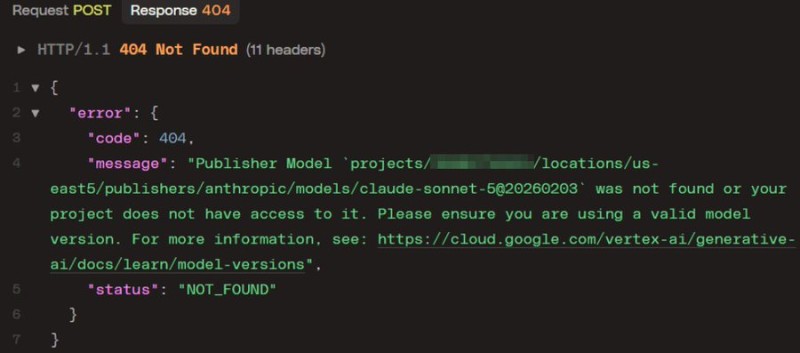
⬤ The specs tell an interesting story. Fennec comes packed with a one million token context window, putting it in rare company among models built to process massive amounts of information in a single go. But here's where it gets spicy: the pricing sits at roughly half of what Opus 4.5 charges. The team built this on TPUs rather than the usual GPU setup, which suggests they're betting on infrastructure efficiency to keep costs down while maintaining performance.
⬤ Performance is where Fennec makes its boldest claims. According to early reports, it's outperforming Opus 4.5 across benchmarks—though we're still waiting on the specific numbers and test names to back that up. "Fennec represents a new approach to balancing performance and accessibility in advanced AI systems," the development team noted. The model's been specifically tuned for agentic coding tasks, meaning it's designed to handle complex, multi-step coding workflows where the AI needs to reason through problems, use tools, and execute code autonomously rather than just chat.
⬤ Why does this matter? Because the LLM space is heating up fast, and competition is no longer just about who has the biggest model. It's about context length, pricing strategy, and what your system can actually do. If Fennec's claims hold up under real-world testing, it could push other players to rethink their pricing and force the entire market to deliver more value per dollar—especially in coding and agent-based applications where developers need reliable, cost-effective tools.
 Saad Ullah



