
 Eseandre Mordi
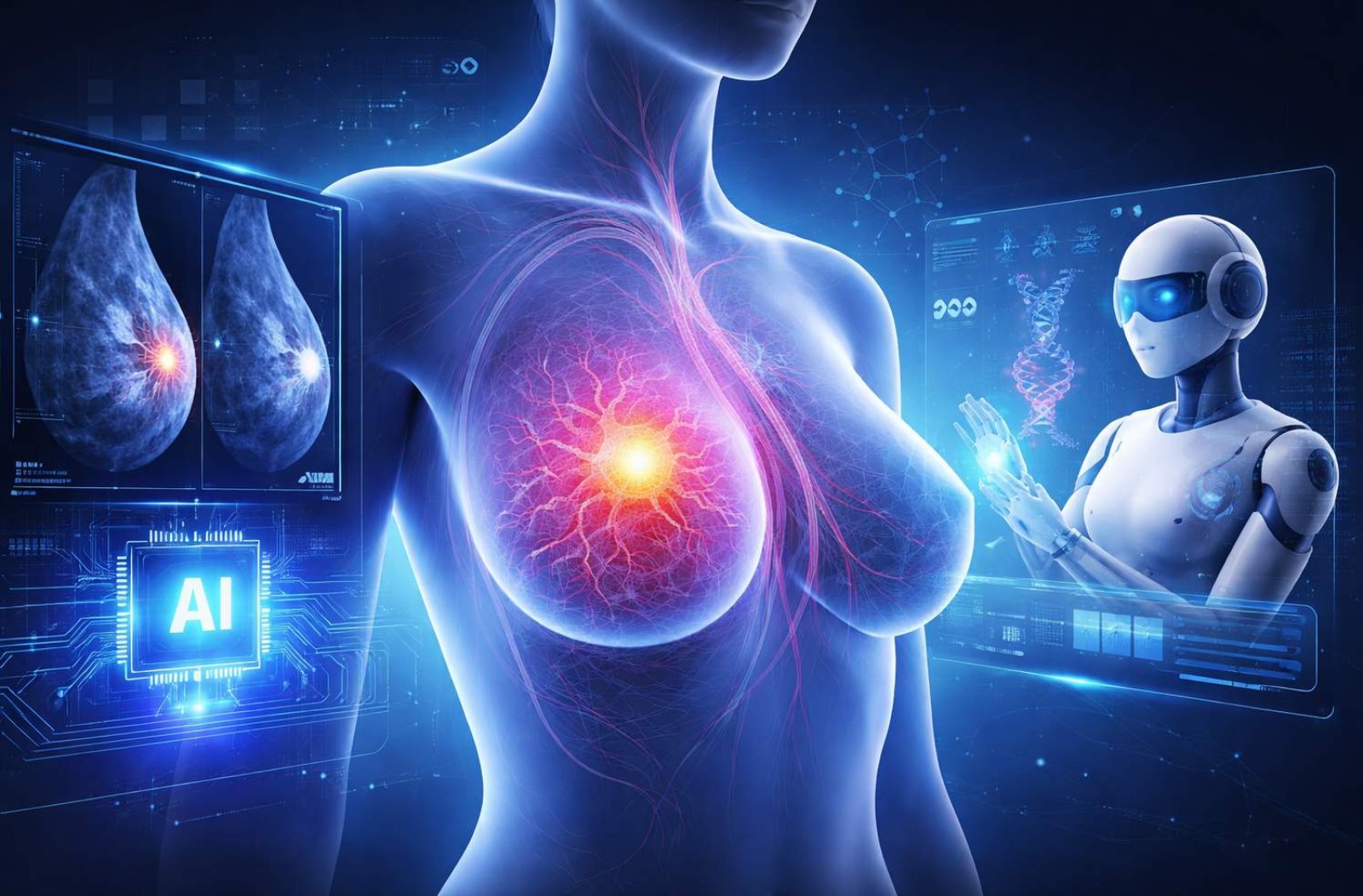
⬤ AI-supported breast cancer screening shows better performance in catching clinically relevant cancers without raising false-positive rates. Integrating artificial intelligence into screening workflows helps detect more cancers that need medical attention while keeping accuracy levels similar to traditional methods. AI works as a supportive tool rather than replacing clinical judgment.
⬤ AI improves early detection of relevant breast cancers and helps reduce aggressive interval cancers—those appearing between routine screenings that often mean more advanced disease. By helping clinicians spot subtle signs they might miss, AI strengthens the screening process while keeping human oversight central, ensuring doctors make final assessments.
⬤ AI-supported screening maintains low false-positive rates, which matters because false positives trigger unnecessary follow-ups, increase patient anxiety, and strain healthcare systems. Higher detection rates don't sacrifice accuracy, meaning AI fits into screening programs without creating unnecessary interventions or hurting patient experience.
⬤ This development shows a practical, effective healthcare application of artificial intelligence. Better early cancer detection without higher false-positive rates means better clinical outcomes and more efficient medical resources. The findings highlight how deploying AI where it complements professional expertise demonstrates technology and human oversight working together to improve care quality in critical screening programs.
 Eseandre Mordi



