
 Eseandre Mordi

⬤ Hefei-based Zerith Robotics just hit a major milestone in the race to commercialize humanoid robots. The startup's monthly production crossed 100 units, putting it ahead of competitors still stuck in pilot testing. This ramp-up in manufacturing has boosted confidence among corporate clients who are now ready to integrate these robots into everyday operations instead of just running limited trials.
⬤ The company is mass-deploying its wheeled robot, the Zerith H1, across hotels, retail stores, malls, office buildings, train stations, airports, and tourist spots. These robots tackle repetitive grunt work like cleaning bathrooms, mopping floors, and wiping down sinks. In supermarkets, they carry shopping baskets, grab snacks off shelves, and process orders automatically, working as both cleaners and service assistants.
⬤ Zerith's robots are already operating at over 20 major sites, including Hefei Airport, the Hefei Gas Building, and Shenzhen MixC. The company has moved beyond testing into sustained commercial use, with expansion planned for Hangzhou and Shanghai. Corporate buyers are favoring wheeled humanoid designs over bipedal models, prioritizing stability, battery life, and non-stop operation.
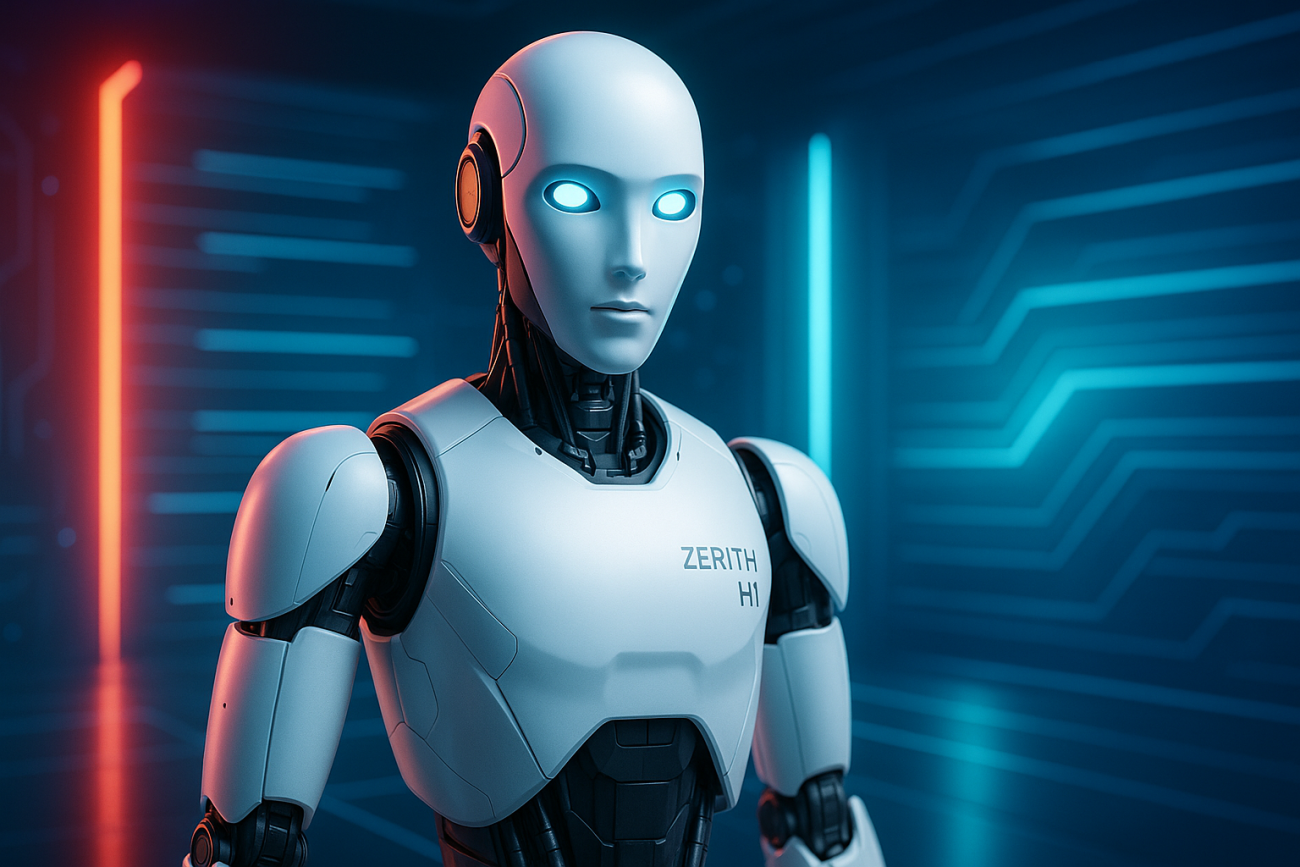
⬤ Zerith Robotics launched in January 2024, founded by a team from Tsinghua University's AI Robotics Lab. Before the official launch, they unveiled two platforms: the bipedal Z1 and the wheeled H1. The speed from product reveal to multi-city deployment shows real demand for practical automation. As humanoid robots push deeper into cleaning, retail, and facility management, the ability to scale production and prove reliability in the field could reshape the competitive landscape for commercial robotics in China.
 Eseandre Mordi



