
 Saad Ullah
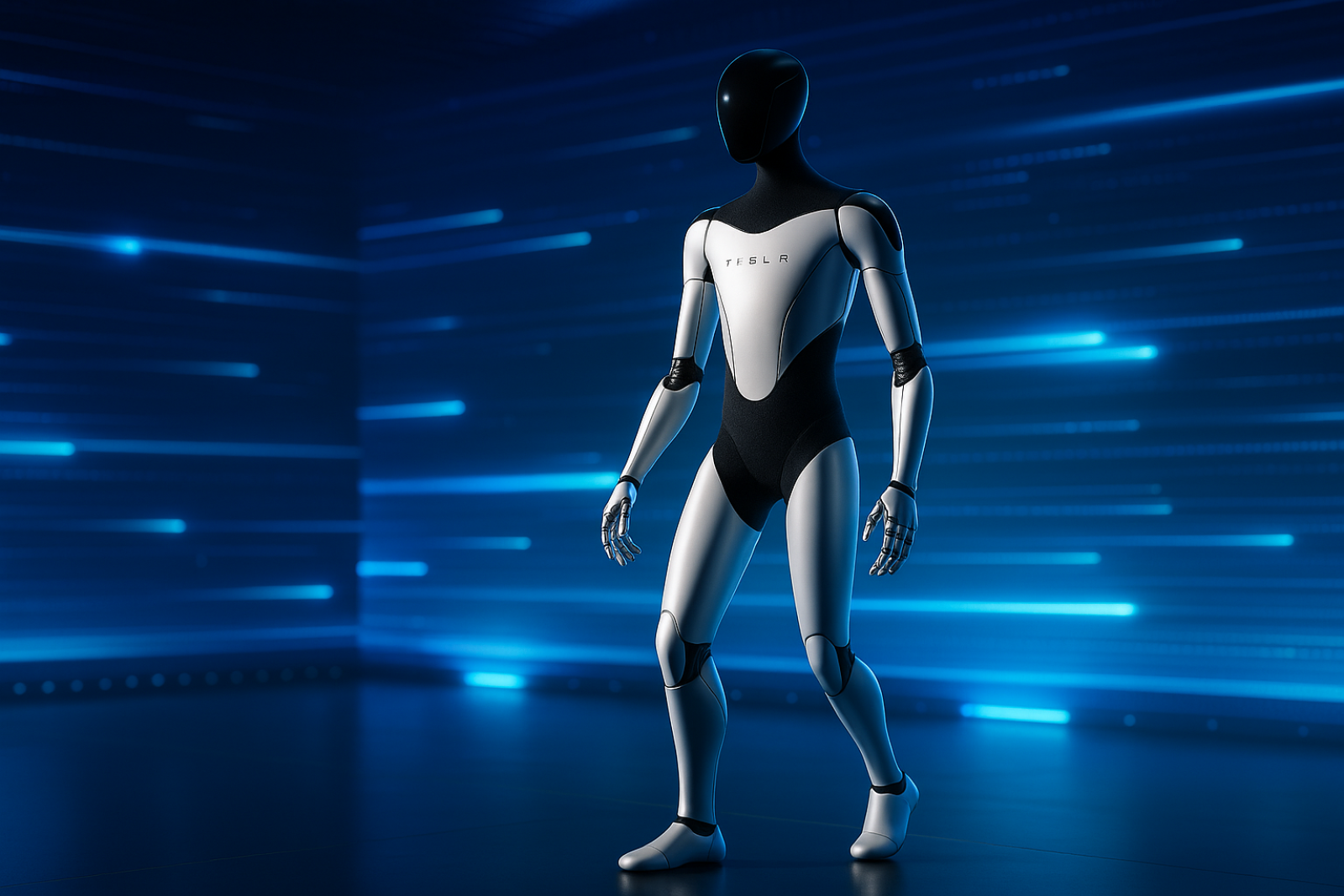
⬤ Tesla grabbed serious attention at its Miami "Future of Autonomy" event by letting Optimus do the talking—literally just by walking around and interacting with people. The humanoid robot didn't need PowerPoint slides to impress anyone. Simple stuff like waving and handing out water bottles got the crowd hyped like they were watching actual sci-fi come to life. TSLA clearly wanted everyone to see how far they've pushed their robotics game.
⬤ Here's what mattered: Optimus moved completely on its own during the demo. No remote control, no pre-programmed routines. It walked independently, engaged directly with attendees, and showed smooth movement that proves Tesla's closing the gap between lab prototype and real-world usefulness. The company confirmed Optimus trains on the same tech running Autopilot—learning from millions of actual videos to handle complex, unpredictable human spaces.
⬤ Tesla's treating Optimus as the next step in its autonomy playbook, using the same data infrastructure and neural networks that drive Full Self-Driving development. They didn't drop new performance numbers at the event, but watching Optimus operate live without scripts sent a clear message: iteration is happening fast. For TSLA, this unscripted public demo backs up their vision of pushing autonomy beyond cars into general-purpose robotics.
⬤ What Tesla showed with Optimus reflects where AI and robotics are headed across tech. As the humanoid program advances, expectations around automation, workforce support, and commercial applications will shift. TSLA's Optimus progress could reshape how investors view embodied AI's scalability and whether robotics becomes a legitimate growth driver in Tesla's expanding tech portfolio.
 Saad Ullah



