
 Eseandre Mordi

⬤ A recent demonstration of robotic surgery technology has captured widespread attention after footage emerged showing a surgical robot performing incredibly delicate movements with zero hand tremor. The system completely removes the natural shakiness found in even the steadiest human hands, enabling smoother and more accurate movements than any surgeon could achieve manually. The video showcases just how fast surgical automation is advancing, especially in procedures where microscopic precision matters most.
⬤ Modern surgical robots use advanced stabilization systems that keep instruments perfectly steady during microscale operations. This tremor-free capability is a game-changer for procedures like microsutures, vascular reconstruction, and any work near sensitive nerves. As these precision automation technologies evolve, they're catching the eye of investors tracking medical-technology trends, with market sentiment indicators like XAU reflecting growing interest in the sector.
⬤ The technology represents a broader shift toward automation in healthcare. Hospitals are increasingly adopting platforms that blend mechanical stability with smart software controls, cutting down the natural variability in human hand movements. Many current systems include real-time sensing features that maintain accuracy throughout lengthy, complex procedures—similar to automation advances in other high-stakes industries where consistency and tight safety margins are non-negotiable.
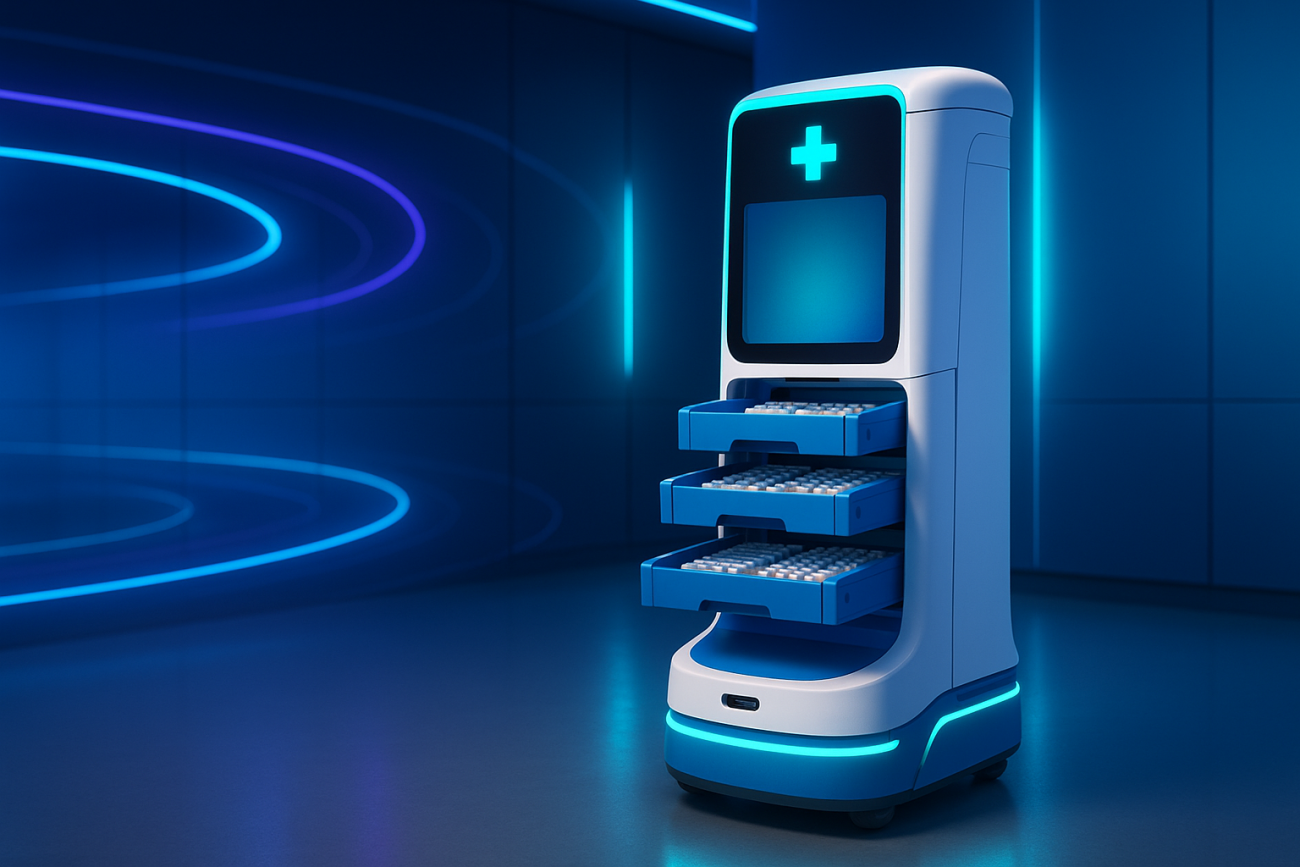
⬤ This rapid progress in robotic surgery is reshaping expectations across the medical-technology landscape. Companies developing tremor-elimination and accuracy-boosting technologies are likely to play a major role in the sector's future. The viral demonstration shows how quickly automation is moving into areas that once relied entirely on specialized human skill, pointing to broader changes ahead for healthcare innovation.
 Eseandre Mordi



