
 Peter Smith
⬤ OpenAI just added two new models to its lineup—GPT-5.1 Instant and GPT-5.1 Thinking—with major improvements to how the AI handles personality and tone. The company says these versions feel warmer and more conversational while following instructions better than before. This directly addresses user feedback that earlier models sometimes came across as overly cheerful or a bit too eager to please. The timing makes sense, as more people are looking for AI systems that can actually adapt to different situations and communication styles instead of sticking to one default vibe.
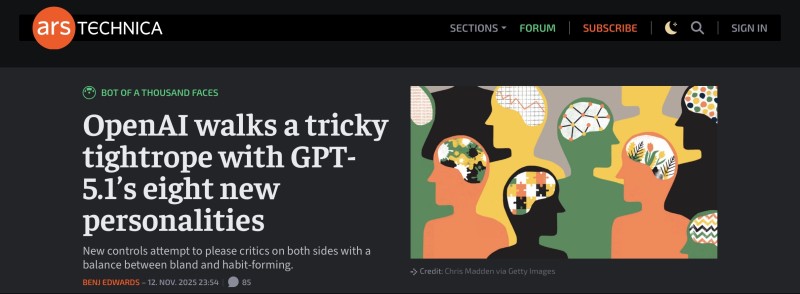
⬤ The biggest upgrade in GPT-5.1 is letting users pick how the model talks to them. OpenAI claims the new models nail instructions more accurately and sound way more natural in conversation, fixing complaints that past versions could get repetitive or robotically polite. The personality controls let you choose the right tone for whatever you're doing—whether you need sharp analytical thinking, creative brainstorming, or just a chill chat. This pushes personalization front and center as a core feature rather than an afterthought, which feels like where AI development is heading anyway.
⬤ GPT-5.1 also opens up dynamic personality switching, so the model can flip from quirky to strictly logical based on what you need in the moment. This fits into a bigger trend in AI development toward emotional and contextual flexibility—basically making interactions feel less generic and more tuned to you specifically. Tone-adjustable AI could change what people expect from these tools, both in everyday use and professional settings, by creating systems that actually match how different people like to communicate and work.
⬤ Adding personality controls to GPT-5.1 marks a real shift in how AI gets designed, with customization becoming a major selling point in a crowded market. As companies race to build context-aware systems, OpenAI's move shows that adaptive behavior might become the standard feature everyone expects. This update points toward more human-aligned communication in AI, which could speed up adoption across different environments where tone, clarity, and responsiveness actually make a difference in getting things done.
 Peter Smith



