
 Usman Salis
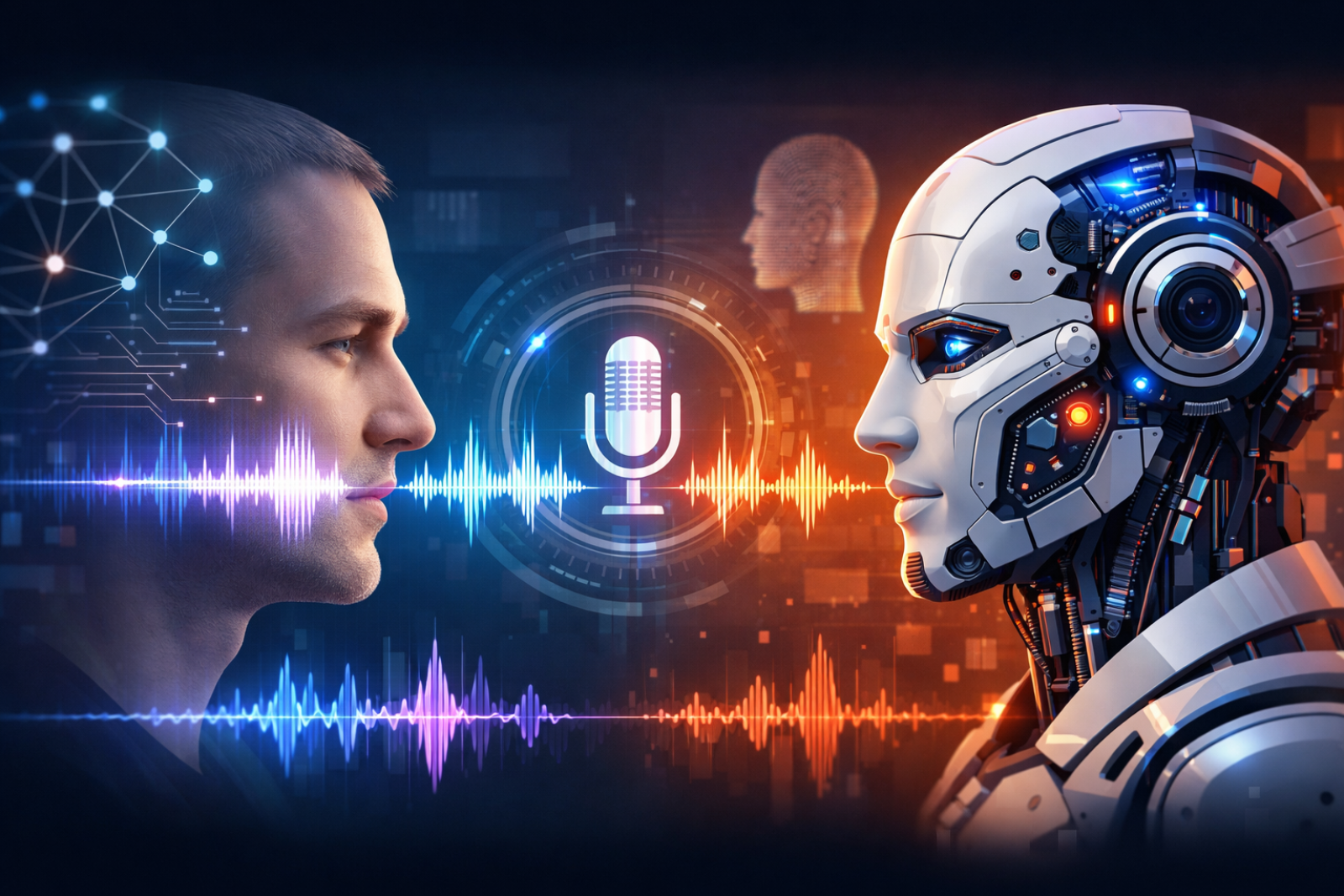
Microsoft has introduced VibeVoice, an open-source voice AI system that brings together speech recognition and audio generation in one unified architecture. Kyle Chassé, who covered the release, noted that the system is capable of processing up to 60-minute conversations in a single pass - identifying who spoke, when, and what was said, while producing clean structured transcripts.
The model is designed for expressive, conversational audio such as podcasts, emphasizing natural turn-taking and scalability.
VibeVoice Generates Up to 90 Minutes of Multi-Speaker Audio With Consistent Voices
On the generation side, VibeVoice supports the creation of up to 90-minute multi-speaker audio sessions with stable, consistent voices across the entire output. That's a meaningful leap from earlier voice AI systems, which regularly struggled to maintain speaker identity beyond a few minutes. The model keeps track of multiple participants through extended dialogue - making it particularly suited to long-form formats like podcast production and automated audio content.
With the ability to generate and replicate full conversations with consistent speaker identity and long context, VibeVoice signals a shift toward more realistic and scalable audio generation.
50+ Languages and Unified ASR-TTS Processing Set VibeVoice Apart
What distinguishes VibeVoice from earlier tools is how it handles recognition and synthesis together rather than as separate steps. The system supports over 50 languages and includes customizable prompts to fine-tune recognition accuracy. This kind of unified processing reduces friction in workflows that previously required stitching together multiple models. For developers and researchers building voice-driven applications, the open-source release lowers the barrier significantly. A comparable shift in multilingual voice generation is currently underway with Qwen3-TTS, which also targets real-time multilingual AI voice.
How VibeVoice Reflects the Broader Voice AI Shift
The release points to a broader acceleration in synthetic voice technology. As systems become capable of replicating full conversations - including consistent speaker identities over long durations - the line between real and generated audio becomes increasingly difficult to draw. VibeVoice encapsulates where the field is heading: real-time, large-scale, and expressive voice generation that works across languages and formats.
 Usman Salis



