
 Eseandre Mordi
A new AI-driven encyclopedia is making waves in the world of digital knowledge. Grokipedia v0.2, built by xAI and powered by the Grok model, is positioning itself as a genuine alternative to Wikipedia - replacing human editors with an AI system that generates, reviews, and approves content automatically. The platform recently crossed a major milestone: 500,000 approved edits, signaling that AI-generated knowledge bases are no longer just a concept.
How Grokipedia's AI Editorial Model Works
Unlike Wikipedia's volunteer-driven editing process, Grokipedia automates the entire editorial pipeline.
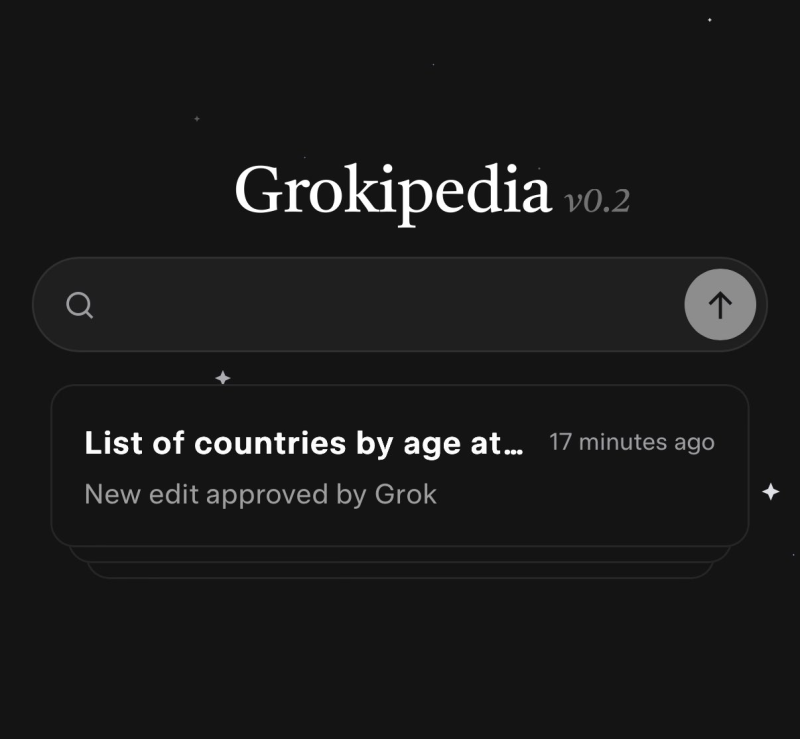
Articles are generated by AI, and user-submitted corrections are reviewed and applied by the same system rather than a community of human moderators. The interface mirrors a classic encyclopedia layout, complete with a search bar, article feed, and entries marked as approved by Grok.
Information is generated and reviewed by artificial intelligence rather than edited through traditional collaborative moderation.
The scale speaks for itself: Grokipedia v0.2 hits 500,000 approved edits as AI knowledge platform grows, underscoring just how fast machine-generated content can be produced and verified.
AI Knowledge Platforms and the Infrastructure Behind Them
The rise of platforms like Grokipedia reflects a broader transformation in how digital information is built and maintained. Large language models are increasingly being used to automate knowledge generation and fact-checking at scale - and the infrastructure powering this shift is enormous. AI data centers may need 80 GW power raising global AI race stakes, illustrating how resource-intensive this new wave of AI-driven services has become.
Meanwhile, traditional knowledge platforms are not standing still. Wikipedia remains one of the most visited sites on the internet, and recent data shows it holding its ground against AI tools in search traffic. Wikipedia beats Reddit in Gen AI traffic after 7-month battle - a sign that human-curated knowledge still commands serious authority online. As AI-generated encyclopedias scale up, the tension between automated content creation and human editorial oversight is emerging as one of the defining questions in the future of digital knowledge.
 Eseandre Mordi



