
 Peter Smith
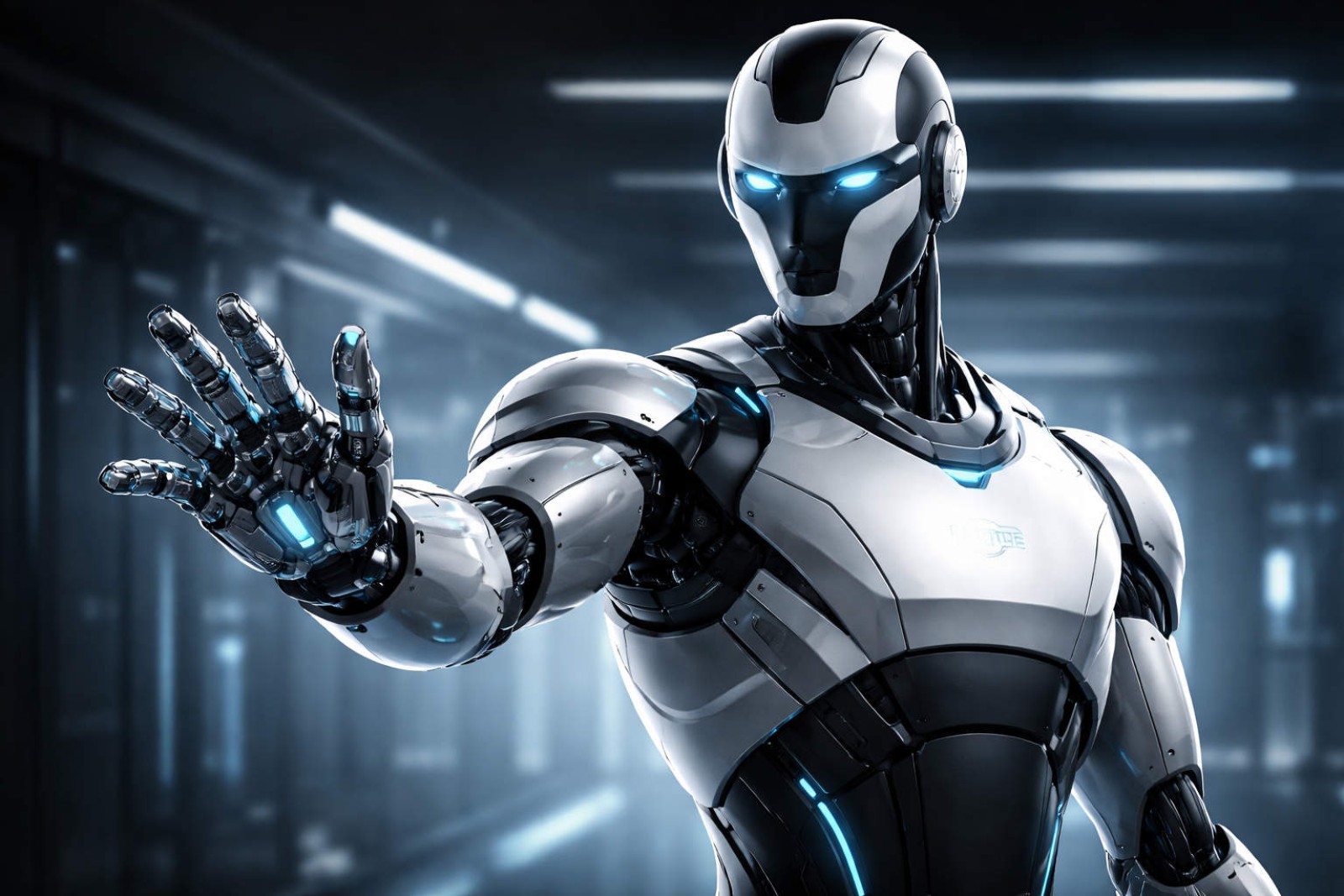
Robotics firm Figure has given the world an early glimpse of what years of quiet development can achieve. The company recently previewed its third-generation humanoid robot, complete with a seventh-generation robotic hand that represents a significant leap in dexterity and mechanical sophistication. While many details remain under wraps, the reveal signals meaningful progress in the race to create truly human-like robots.
7 Generations of Innovation: Figure's Path to Human-Like Dexterity
Figure's journey toward building a humanoid robot wasn't quick. The team spent years refining their approach behind closed doors, working through seven distinct hand designs while simultaneously developing the robot itself. This level of iteration shows just how challenging it is to replicate something humans take for granted—the incredible versatility of our hands.
The preview wasn't a flashy product launch. Instead, Figure treated it as a window into their engineering lab, sharing progress without the usual fanfare of specifications or release dates. The message was clear: they're focused on getting it right, not getting it out fast.
The seventh-generation hand represents some of their most sophisticated engineering work yet. Figure described the system as approaching parity with human hand capability, emphasizing natural motion and manipulation skills. One company representative stated,
The design approaches human hand capability
What This Means for Humanoid Robotics Development
The announcement highlights how robotics companies are prioritizing gradual improvement over rushed releases. Figure's decision to cycle through multiple hand generations while building the broader humanoid platform demonstrates a methodical approach to solving one of robotics' toughest challenges: creating machines that can interact with the world as naturally as people do.
No production timeline or commercial deployment details accompanied the reveal, keeping the focus squarely on technical achievement rather than market readiness. The preview showcased dexterity, mechanical capability, and design maturity—all critical factors in making humanoid robots practical for real-world applications.
This peek behind the curtain offers a snapshot of where humanoid robotics stands today. As companies like Figure continue refining their hardware through successive generations, the gap between mechanical hands and human hands keeps narrowing. Whether this third-generation platform eventually makes it to market remains to be seen, but the engineering progress speaks for itself.
For now, Figure's update serves as a reminder that building truly capable humanoid robots requires patience, persistence, and a willingness to start over when necessary—seven times, if that's what it takes.
 Peter Smith



