
 Victoria Bazir
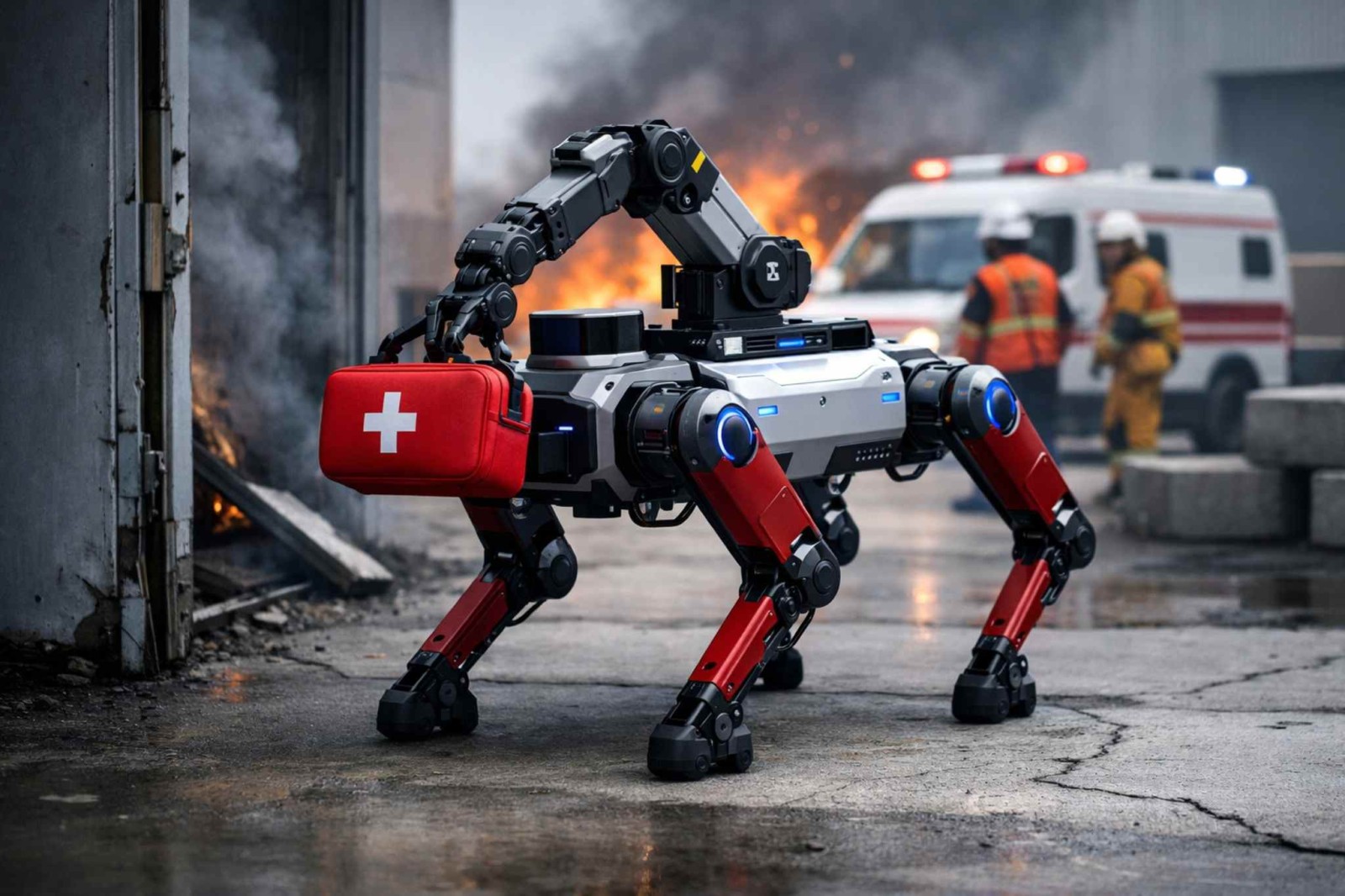
⬤ Deep Robotics just gave the world a real look at its four-legged emergency robot during a public rescue drill. The demonstration showed how this machine could actually help first responders when things get dangerous—think disaster zones, rough terrain, and places where humans might struggle to reach.
⬤ The drill highlighted what this robot can really do. It handled water-logged ground and rocky terrain without breaking stride, detected fire hazards on its own, and kept working even when cellular signals dropped out completely. Industry observers noted that 2026 might be the year we start seeing these robots deployed for real across security operations, heavy industrial work, and search-and-rescue missions.
⬤ Deep Robotics framed this as "technology with warmth"—positioning their robot as a tool that goes into high-risk situations before humans have to. The idea is simple: let the machine face the danger first, whether that's checking unstable buildings after earthquakes or navigating through toxic environments. The response from the robotics community has been cautiously optimistic about what this could mean for public safety.
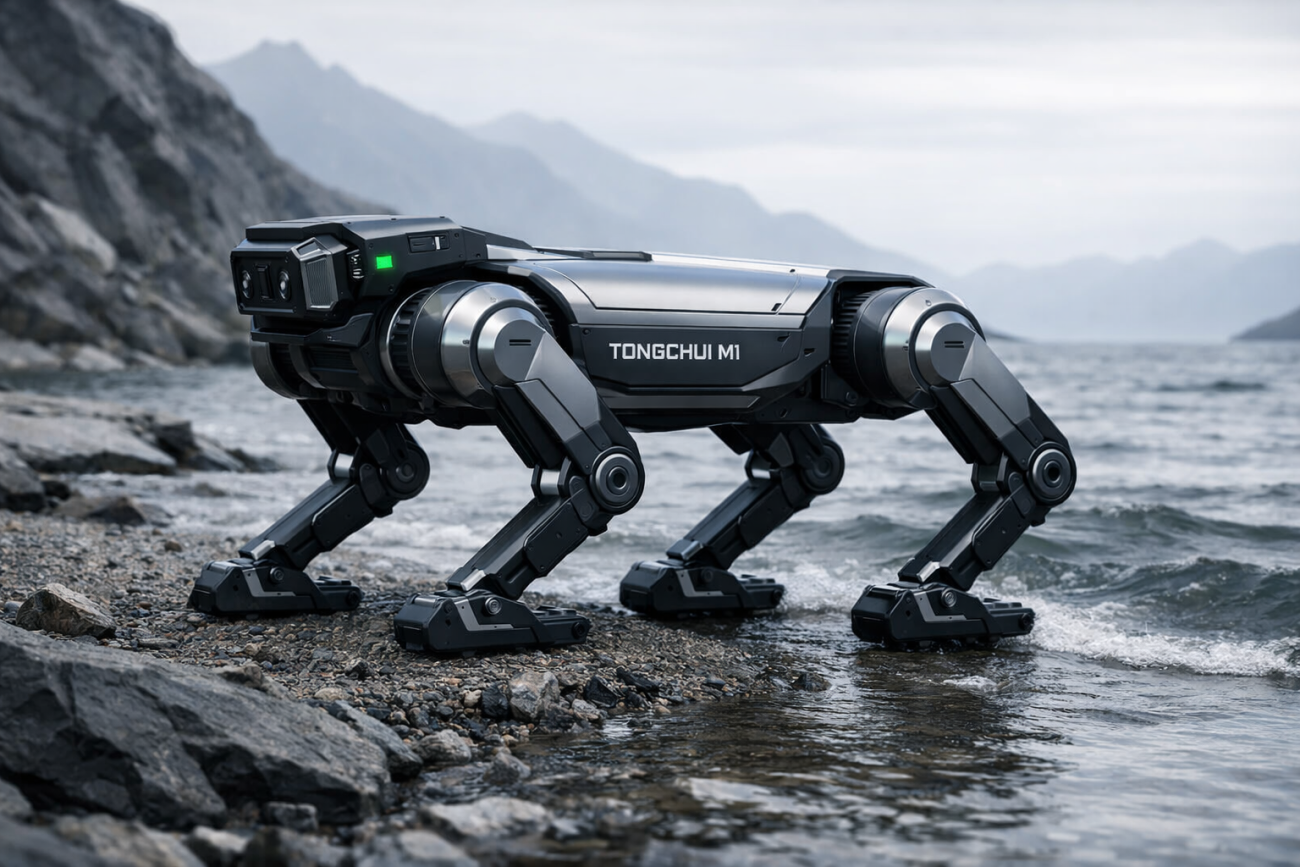
⬤ What makes this matter is that we're watching advanced robotics move from lab tests into actual field work. Deep Robotics' quadruped platform represents a new generation of machines built specifically for emergency response, disaster relief, and industrial operations where traditional wheeled robots simply can't function. The technology is finally catching up to the real-world challenges these situations demand.
 Victoria Bazir



