
 Sergey Diakov
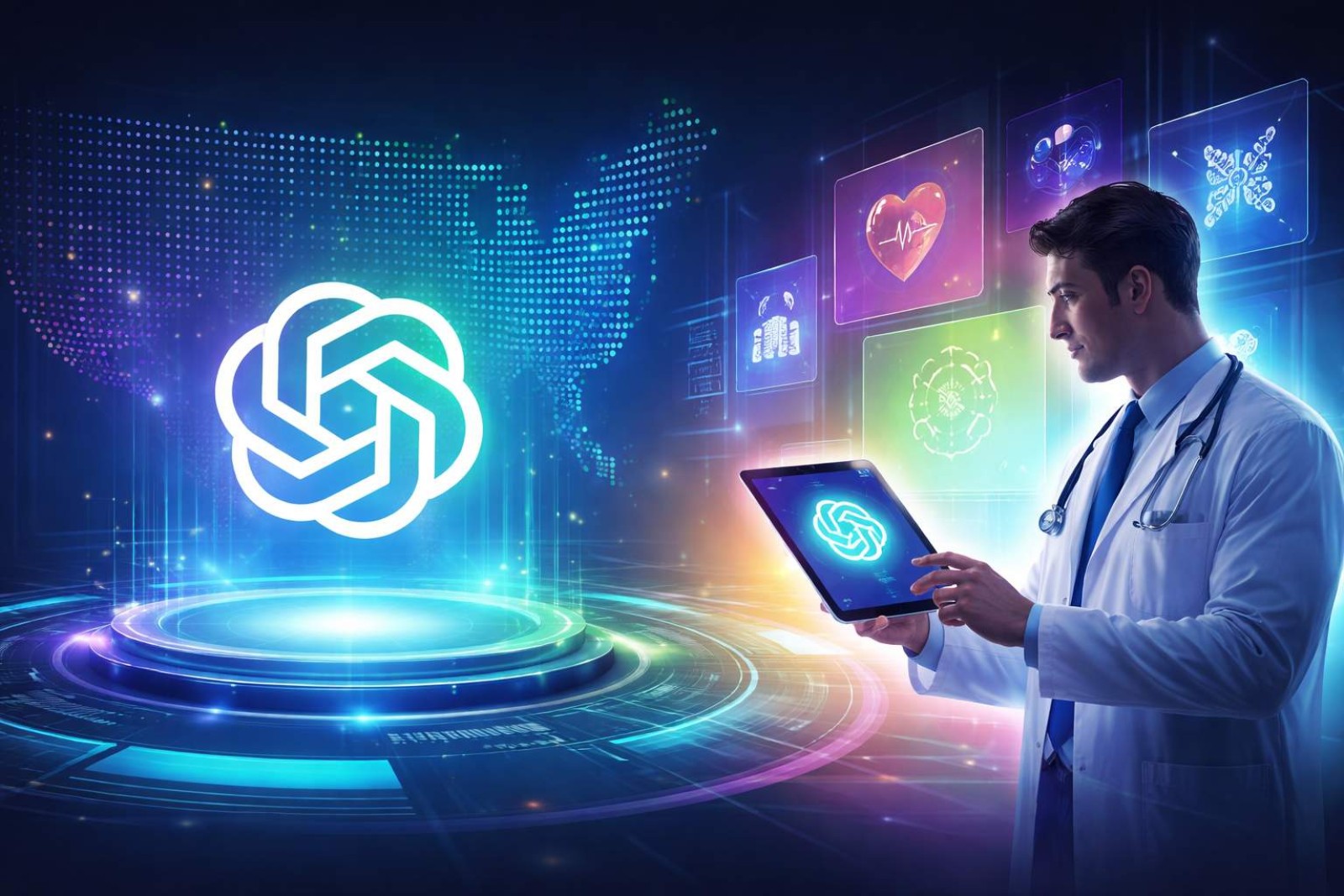
⬤ ChatGPT's become a daily habit for American doctors. New data shows 66% of US physicians are now using it every single day. That's not occasional experimentation—it's routine clinical practice. The speed of this adoption has caught many by surprise, showing just how fast AI tools are becoming standard equipment in medical workflows.
⬤ What are doctors actually using it for? Mainly to cut through information overload. They're tapping ChatGPT to quickly access recent research and understand complex drug interactions—two areas where staying current is crucial but time-consuming. With medical knowledge expanding faster than anyone can keep up with, ChatGPT's acting as a support system that helps clinicians stay informed without replacing their expertise or judgment.
⬤ There's a patient-facing benefit too. When doctors can instantly reference research or clarify medication questions, consultations become more informed. That means clearer explanations, better-supported second opinions, and patients who can actually participate in discussions about their own care. AI tools are quietly reshaping what conversations between doctors and patients look like.
⬤ Why does this matter? Because it signals a fundamental shift in how healthcare professionals handle information. When daily usage hits 66%, we're not talking about early adopters anymore—we're watching AI become infrastructure. As this continues, generative AI will likely influence how quickly new research reaches clinical practice and how doctors navigate medicine's growing complexity. The question isn't whether AI will be part of healthcare, but how deeply it'll be woven into everything doctors do.
 Sergey Diakov



