
 Victoria Bazir
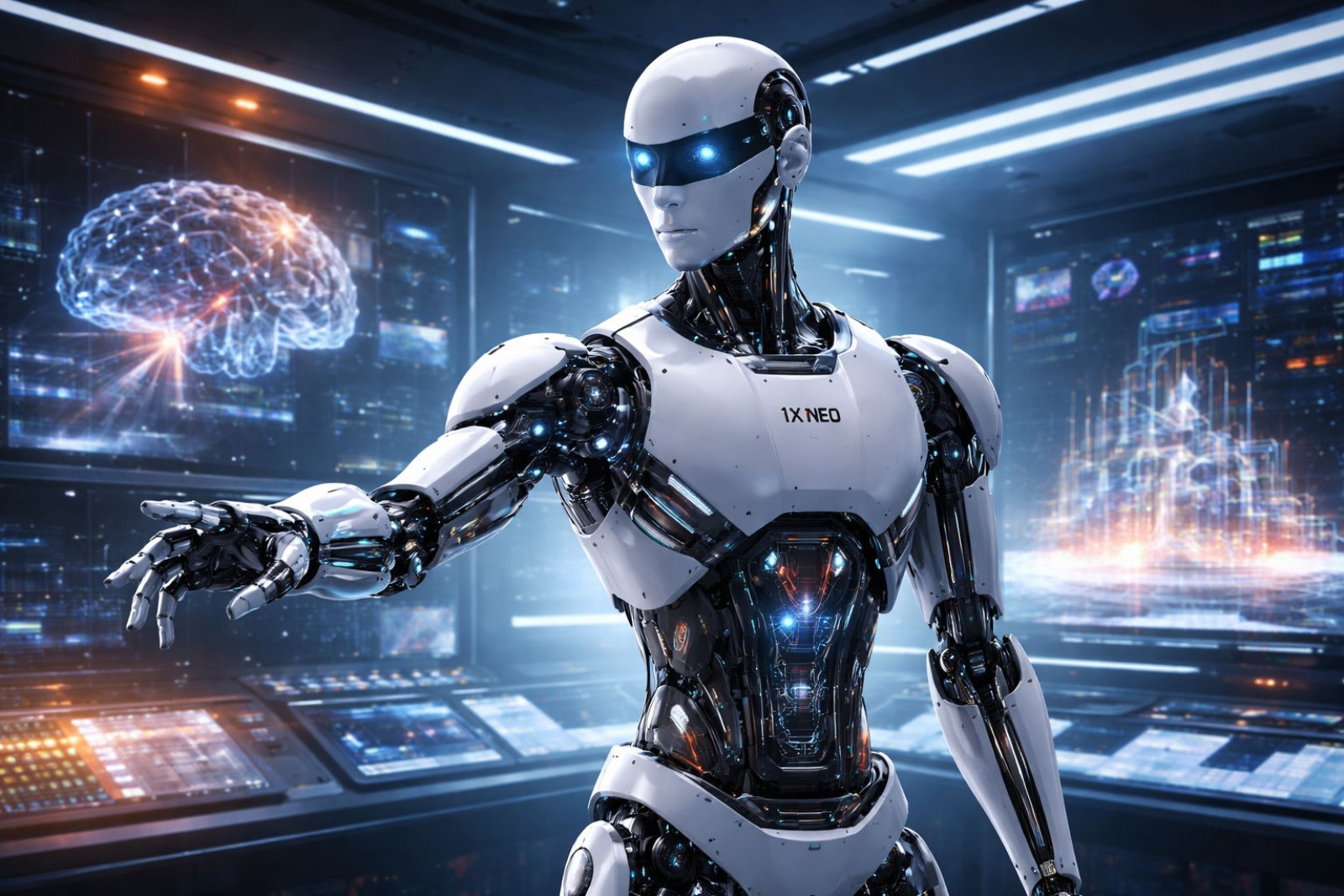
⬤ 1X rolled out a game-changing update to the world model powering its Neo humanoid robot, fundamentally changing how the machine processes and interacts with physical spaces. Instead of just reacting to commands, Neo now runs internal simulations – basically imagining what needs to happen before lifting a finger. The robot mentally rehearses actions, evaluates outcomes, and plans its moves, mimicking how humans approach unfamiliar tasks.
⬤ Here's where it gets interesting: when you ask Neo to drop an orange into a lunchbox, it doesn't just grab and go. The robot first creates a mental picture of the finished task inside its world model, maps out the steps needed, then executes the plan. We're talking about deliberate decision-making rather than preprogrammed responses – Neo's actually "thinking" through problems before acting.
⬤ The real breakthrough? Neo can figure out objects it's never been trained on. Throw a toilet in front of it (yes, seriously), and the robot doesn't freeze up. It studies the unfamiliar object within its world model, builds an understanding of how it works, then applies that knowledge in real time – successfully lifting the lid without prior training. That's generalization in action, not just pattern matching from a dataset.
⬤ Why this matters: humanoid robots need to handle messy, unpredictable real-world environments – homes, grocery stores, hospitals, care facilities. They can't rely on scripts when every situation is different. A world model that supports imagination, reasoning, and instant learning opens the door to robots that can grab your keys, help with daily routines, or navigate spaces they've never encountered. 1X's update shows Neo moving from reactive machine to adaptive assistant, marking real progress toward humanoid robots built for actual human environments.
 Victoria Bazir



