
 Peter Smith
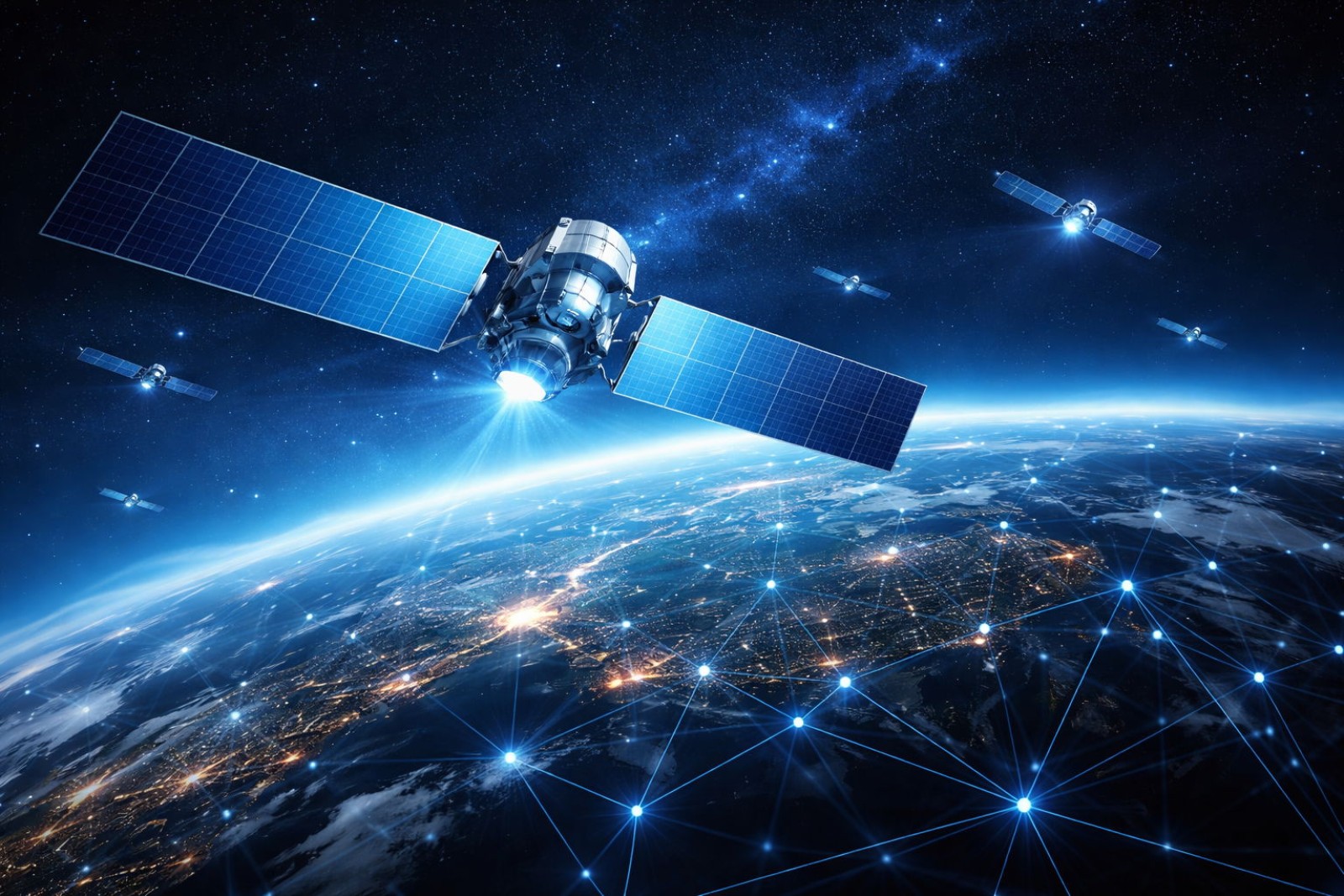
⬤ Starlink just scored a major win with the FCC signing off on 7,500 new Gen2 satellites. That doubles their fleet to a whopping 15,000 satellites, giving the company serious firepower to blanket the planet with faster, more reliable internet. The real kicker? These new satellites will support direct-to-cell connections, meaning your phone could tap straight into Starlink's network without needing ground infrastructure.
⬤ This expansion is huge for Starlink's goal of bringing high-speed internet to places traditional providers won't touch. More satellites mean lower latency, faster downloads, and better coverage in rural and remote spots that have been stuck with terrible connectivity. The direct-to-cell feature is a total game-changer for mobile users, positioning Starlink as a serious threat to traditional telecom giants.
⬤ Meanwhile, SpaceX plans to pull down about 4,400 older Starlink satellites by 2026. They're cleaning house to get rid of failed units faster and cut down on space junk risks. By clearing out these older birds, SpaceX is playing the long game—keeping orbital lanes safer and addressing the growing headache of satellite debris cluttering up space.
⬤ With 15,000 satellites in the pipeline, Starlink is positioned to dominate the global internet game. This expansion tackles both the connectivity gap in underserved areas and the space debris problem that's been keeping regulators up at night. For millions stuck with slow or nonexistent broadband, Starlink's buildout could be the answer they've been waiting for.
 Peter Smith



